
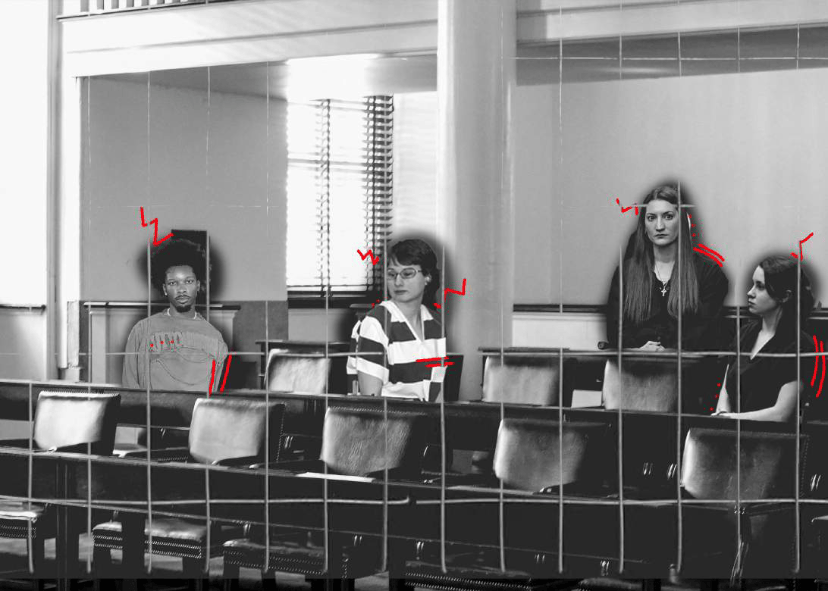
The words, “I can’t do it,” echo in the courtroom as Lindsay Clancy hears the autopsy report for her 5-year-old daughter. The trial has been full of graphic details behind Clancy’s strangling of her three children, but this is a breaking point for her. With continued cries from the defendant, the judge orders a brief recess.
But the show doesn’t end. The cameras keep rolling. Now the mother hunches over the counsel table, hands trembling in front of her face for millions to see live.
This scene is reminiscent of other trials that have attracted nationwide attention. With a rush of media coverage, true crime has captivated viewers with the mystery and violence of a case.
The involvement of media intensifies the barrage of divided opinions and internet theories. Courtroom sensationalism then creates a disconnect between the real victims of these trials and what people see on screen. With immediate access to the latest updates and details, the trial isn’t a legal battle anymore. It’s entertainment for anybody who wants to tune in.
“If I get a news update, sometimes depending on what it is, it really catches my eye. If it’s crazy enough, I’ll keep looking back into that story to see the update and the full story,” said Gianna Bautista, 19, business major at Moraine Valley.
“The reality of how complicated people’s lives are isn’t caught in the media.”
Michelle Skelton, Moraine Valley criminology professor
The current interest using an entertainment format can be traced to the 2014 award-winning true crime podcast Serial, hosted by Sarah Koenig. The podcast combined investigative journalism and auditory storytelling in a way that was new at the time.
The entertainment format captures the interest of people like Moraine Valley student Michaela Plude, 19.
“It’s kind of a morbid curiosity, like wanting to know about it all,” said Plude. “It’s kind of just interesting to think about how people are capable of doing that stuff.”
In recent years, the coverage of true crime and court trials has expanded beyond podcasts, with video essays, social media and even television partaking in the trend. According to a 2024 study conducted by SSRS, around 84 percent of the United States population aged 13 and up have consumed true crime media.
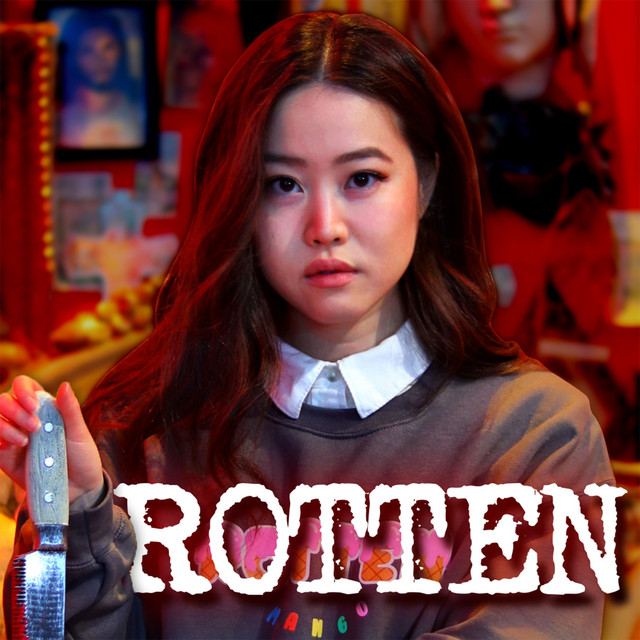
Today’s popular podcasts include Rotten Mango, hosted by Stephanie Soo. Soo has reached over 6 million subscribers on YouTube, and even hosts episodes of “Rotten Files” on Netflix. For creators such as Soo, it isn’t enough to talk about the crimes and court trials; they take the opportunity to attend real court hearings.
Soo herself was present at multiple court proceedings during the Sean “Diddy” Combs trial. Similarly, self-proclaimed pop culture investigator and storyteller Sloan Hooks was able to gain access to the trial of famous singer David Burke (also known as D4VD). Hooks provided daily updates from right outside the courthouse.
With multiple individuals and outlets covering the same cases, many people have tried to contribute to the frenzy by creating new perspectives. Each added expose capitalizes on the situations of the victims and offenders.
“By adding into something that’s sensational, you increase your followership, and that propels the algorithm as well,” said Michelle Skelton, criminology professor.
Social media feeds the frenzy, Skelton says. With more discussion around a case, more people join together or against to explore new perspectives with others and find an answer. This discourse then helps give birth to documentaries and media to allow for answers from firsthand witnesses and offenders.
In “The Prison Confession of Gypsy Rose Blanchard,” Gypsy Rose Blanchard shared her years of abuse and manipulation from her mother, Clauddine “Dee Dee” Blanchard. In 2016, Blanchard pleaded guilty to second degree murder, and she spent almost nine years in prison. Dressed in an orange jumpsuit, Blanchard is on film expressing her desire to be free and how that motivated her to convince a former boyfriend to murder her mother. Blanchard hasn’t escaped the media attention since the court trial, and neither have others.
Casey Anthony, then a 22-year old mother, was accused of murdering her 2-year-old, Caylee Anthony, in 2008. Similarly to Clancy’s trial, debate over whether she committed the crime popularized the case. She was acquitted of the charges at the end of her trial in 2011. In 2025, Anthony tried reentering the public eye by posting a TikTok reintroducing herself and her new work as a legal advocate. Backlash ensued, but she remained on the site.
Instead of processing the effects of the justice system, offenders and witnesses in publicized cases must navigate their life afterwards with their new attributes given by the public.
“Helping people reintegrate into society is a big challenge that we need to continue to strive to improve,” Skelton said. “That publicity certainly increases the stigma for sure.”
Courtroom sensationalism creates a disconnect between the real victims of these trials and what people see on screen.
Although social media has allowed for long court cases to be consumed in smaller parts, we should remember that parts of the story can be lost or disregarded to fit a certain narrative within dramatized true crime. Some “characters” aren’t perceived well, Skelton says.
“The reality of how complicated people’s lives are isn’t caught in the media,” said Skelton, who got to know prisoners’ stories during an internship in a women’s prison. “There’s also people who’ve done some really bad things that you can tell that they have good intentions and they want to be a good person, and their behavior isn’t the whole of who they are.”
Online interactions can give viewers a better perspective on people’s circumstances and the aftermath. But even when the victims or offenders don’t come out to say what happened in their situation, the online audience finds a way to insert itself.
Internet sleuths go through people’s digital footprint or go over the trial’s evidence just to create a timeline that satisfies them. In the Lindsay Clancy case, netizens examined videos, phone calls, background and even astrology signs of both Lindsay Clancy and her husband, Patrick Clancy.
With the evidence, internet users have made a variety of timelines for the killings. Despite Lindsay and her lawyers acknowledging she did strangle her three children, some internet users have accused Patrick Clancy or others of committing the acts.
All the attention and discussion online can have far-reaching effects beyond the case itself. For instance, a deep divide has emerged between people supporting or believing in Clancy’s postpartum depression and people insisting that nothing excuses murder.
These kinds of discussions affect how the public perceives issues such as mental health, domestic violence and rape. For example, the Johnny Depp case fueled a hate train against the actor Amber Heard, with many internet users downplaying and making fun of her alleged abuse at the hands of Depp.
Despite being separated from reality by a screen, audience members can have a direct effect on the true crime and trials, providing new theories or adding to a misconception of crime.
And the line between what is real and what’s a hobby can become dangerously blurred.






Leave a comment