
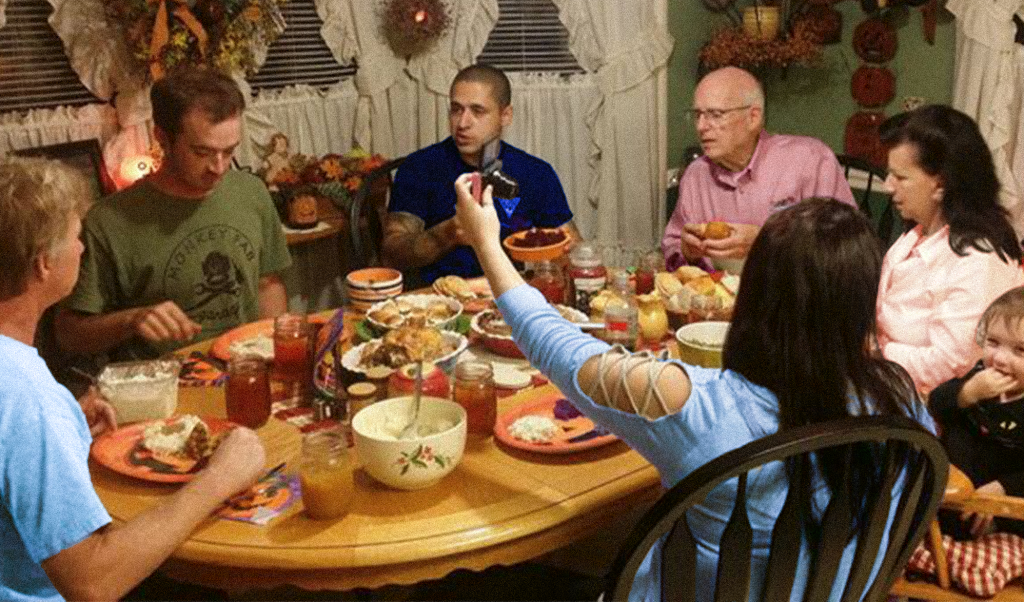
Thanksgiving is supposed to be a time for family, gratitude and good food. A time of laughter, the smell of freshly roasted turkey, cranberry sauce, and pumpkin pie. Grandparents telling stories. Children sneaking extra desserts. Cousins arguing who gets the last piece of pie. Nobody is in a rush to leave. Phones are put away. And the only debate is whether the stuffing from mom is better than the pumpkin pie from grandma.
But in a divided America, conversations about the latest election results, immigration and the economy can quickly turn a peaceful dinner into a political battleground. A simple question can spark an argument. Someone reaches for their phone to fact-check a relative. And suddenly the atmosphere shifts from smiles and laughter to frustration and hatred.
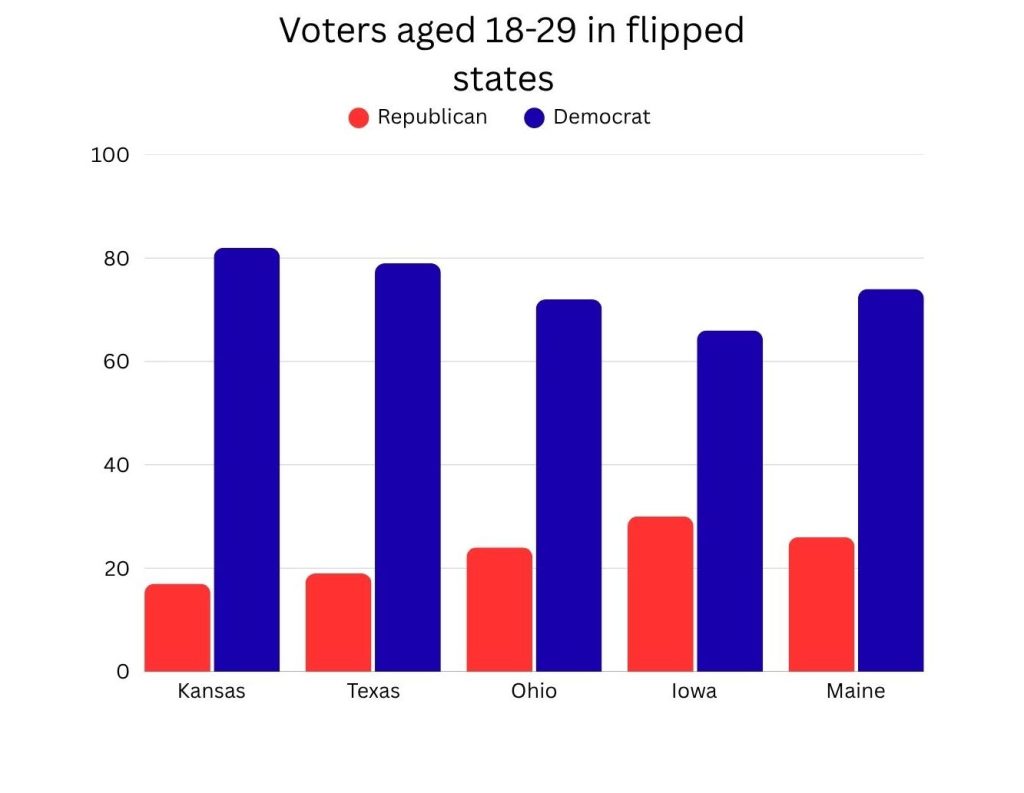
The results of the 2026 midterm elections, described by some commentators as a “blue tsunami,” are renewing conversations about the country’s political direction and the divisions that can extend beyond the ballot box.
In some families, disagreements extend beyond the dinner table. They can spill onto social media, lead to harassment or threats, and create situations where relatives no longer feel comfortable speaking or even being around one another at family gatherings. What may begin as a difference in political beliefs can eventually affect the relationships that hold families together.
“More than a third of Americans reported that they have lost relationships with friends, family, romantic partners and coworkers over political differences.”
University of California research
Political disagreements within families are not new, but the ways people encounter and discuss political issues have changed alongside the growth of social media, digital news and increasing political coverage.
Kevin Navartil, a political science professor at Moraine Valley Community College, points out that political disagreements today extend beyond traditional debates over issues.
“It’s not just we disagree on tax policy,” Navartil said. “We have policy on issues of identity, sexual orientation, gender identity.”
Political beliefs, he said, can become a source of belonging for individuals who feel disconnected from other parts of their lives.
“I think humans are probably craving some deeper meaning,” Navartil said. “If you’re not getting that from family or work … then there is probably a vacuum that needs to be filled with political views.”
Political identity can influence how people initially approach one another, sometimes becoming a filter through which individuals judge others before getting to know them, he said.
“More than a third of Americans reported that they have lost relationships with friends, family, romantic partners and coworkers over political differences,” reports the University of California.
Even a Moraine Valley student studying psychology described a recent conflict within their own family: “One person thinks there is a different side and they don’t like each other and don’t sit by each other,” said the student, who asked not to be identified.
Political disagreements often involve an emotional component that can make conversations more personal, says Moraine Valley psychology professor Sarah Martini.
“I think part of the reason politics creates tension with families is because there is usually an emotional element that makes disagreements so personal,” Martini said.
She explained that understanding another person’s perspective can provide an opportunity to move beyond disagreements rather than allowing them to become larger conflicts.
Generations may approach political issues through different perspectives, making it difficult to understand one another.
“Political attitudes are much more influenced by our age,” Martini said.
How relatives communicate, listen and respond to opposing perspectives can influence whether those differences create lasting divisions or opportunities for understanding.
Communications professor Krista Appelquist, who serves as adviser for the Moraine Valley speech and debate team, said the political conversations within her own family have changed.
“I feel in my family people got quieter,” Appelquist said.
She recalls being called “brainwashed” during a previous Thanksgiving gathering following an election.
“Did you know 20 years ago … we could talk about politics?” she said. “It wasn’t as personal. People weren’t as mean.”
Some students hesitate to express their political beliefs at home, Appelquist said. For example, those who hear family members criticizing LGBTQ rights may privately question whether their own identities would be accepted.
As Thanksgiving approaches, the midterm elections provide another opportunity for political disagreements to surface. Martini anticipates that election results will become part of some family conversations, with relatives potentially reacting differently depending on their political perspectives.
“[It] will certainly be a topic in conversations,” Martini said. “For some people they might be optimistic. Others might feel disappointed or frustrated.”
For Appelquist, navigating those conversations during the holidays can be difficult.
“We have a rule in my family,” she said. Relatives are asked not to bring up political subjects. When someone does, family members often attempt to change the conversation.
“Use Thanksgiving as a time to build core memories over time, not prove your perspective as right.”
Psychology professor Sarah Martini
While avoiding political discussions may help prevent arguments, Martini believes families can also approach disagreements through communication rather than confrontation.
She said there’s a difference between dialogue and debate: “Dialogue, you are trying to understand their conversation. Debate, there is a winner and who won the debate?”
Martini encouraged families focus on the reason for the holiday.
“My biggest advice would be to prioritize connection over winning an argument,” Martini said. “Use Thanksgiving as a time to build core memories over time, not prove your perspective as right.”
She also acknowledged that some disagreements involve deeply held values and may not always be easy to resolve.
“A family can still be a family even if they don’t agree on everything,” Martini said.
As families gather for Thanksgiving, political disagreements may remain part of the conversation. Some relatives may choose to avoid political subjects, while others may use the opportunity to better understand opposing viewpoints.
Political disagreements do not necessarily have to determine the strength of family relationships, experts say. How relatives communicate, listen, and respond to opposing perspectives can influence whether those differences create lasting divisions or opportunities for understanding.
Appelquist encouraged families to look beyond political disagreements and recognize the importance of maintaining their relationships.
“Hang on to your love and hang on to your family,” she said. “I think we have to have grace with each other and forgive each other.”





Leave a Reply