
Within the Black community rings a deep connection to stories. Stories have kept us pushing, moving, growing and resilient through the centuries.
This month, the Black Perspectives Program, hosted by the Chicago International Film Festival, celebrated its 30th anniversary. The program brings to Chicago stories made, inspired, and lived by Black people all throughout the diaspora. This year’s line-up stretched across countries, generations, and experiences.
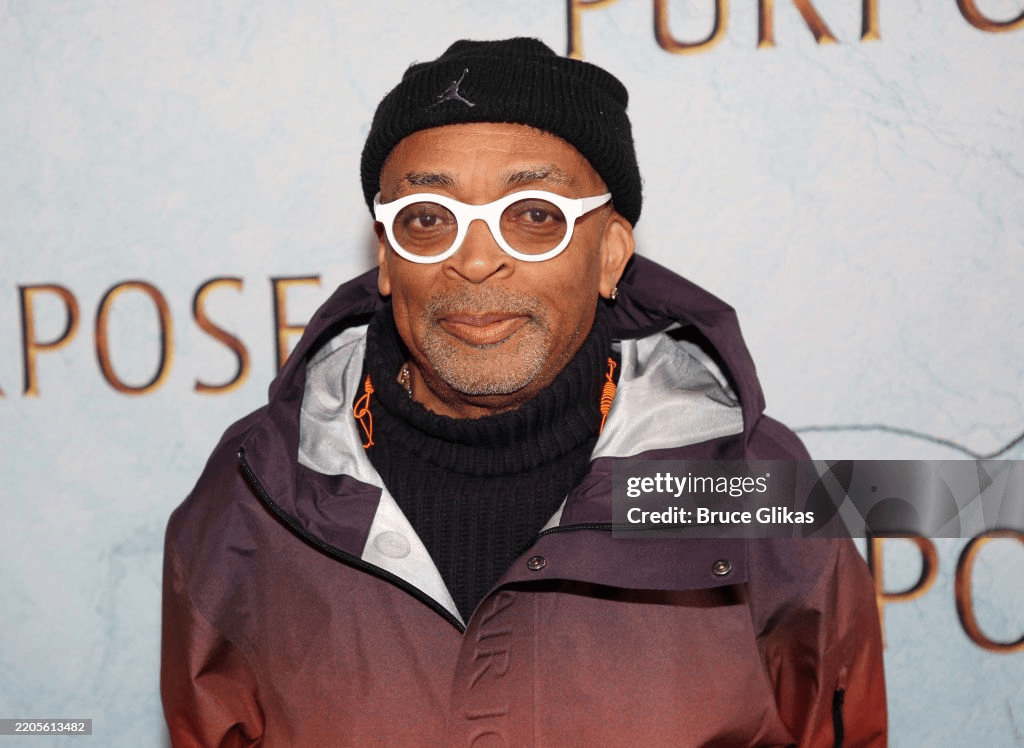
The program found its beginnings in 1997 in collaboration with filmmaker Spike Lee. Its initial purpose was to highlight diverse experiences showcased in works from Black filmmakers. The program became a platform for new artists learning to swim and seasoned veterans sharing stories.
That diversity took specific forms in this year’s selections: caregiving on Chicago’s South Side, a refugee’s musical ambitions, and a filmmaker’s search for Black queer history. Together, they offered several entry points into Black life rather than one experience expected to speak for everybody.
The anniversary celebration was part of the 62nd Chicago International Film Festival, running October 14-25. Alongside screenings, the program included tributes recognizing artists’ contributions to film. The anniversary lineup included an Oct. 19 conversation with Marlon Wayans and a Career Achievement Award recognizing his work across film and comedy.
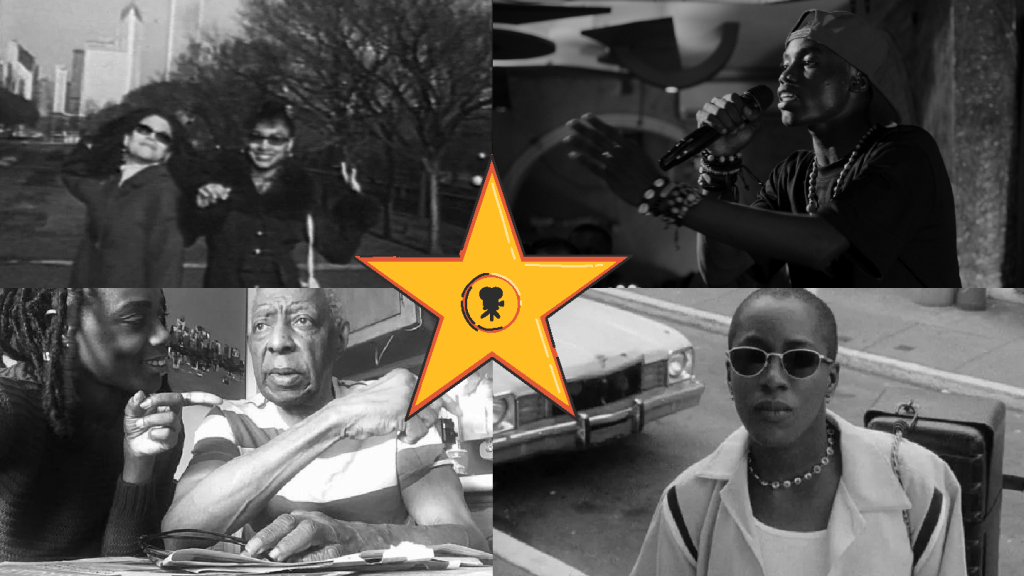
One selection brought the program close to home. Finding Your Laughter, directed by Arlieta Hall and Brittany Alsot, follows Chicago comedian Hall as she cares for her father, Milton Hall Sr., who has Alzheimer’s disease. Arlieta combines her comedy with her care as she uses improv techniques to narrate her dad’s changing understanding of the world while navigating the emotional and financial demands of being a caregiver.
When her father believes he is still working as a principal or performing as a talk show host, Arlieta plays along. The film follows Hall and her stepmother, Charmaine, as they share caregiving responsibilities, showing the patience, frustration, and sacrifices that can exist alongside love.
During a discussion following the Kennedy-King College screening on Oct. 15, Alsot described what having the festival’s backing meant for their work.
“To be like ‘Oh, the festival programmers, they believe in it,’” Alsot said. “Everyone who has gotten a ticket, believes in it. That’s really special and makes it feel like we’re gonna be able to go places.”
Comedy and responsibility find a kinship in this film. Hall’s passion for entertainment must find its place in a reality that brings illness and a father-daughter relationship that is challenged by the circumstance of health.
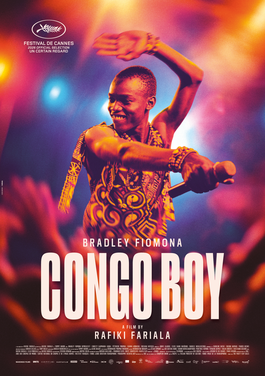
The program’s international reach brought other experiences into view. Rafiki Fariala’s Congo Boy follows a Congolese teenage refugee trying to provide for his family while pursuing a dream of making rap music. Drawing on Fariala’s own experiences, the film explores the relationship between family responsibilities and personal ambition.
The range of Black perspectives extends to the portrayal of Black queer life. During a discussion on Black lesbian filmmaking preceding the Oct. 16 screening of The Watermelon Woman, filmmaker Kin Marie spoke about telling stories in which queer identity is one aspect of a character’s life.
“I want to showcase how queer people just exist in those environments. It’s not about them existing in this thing because they are queer or this is why they do this thing since they are queer,” Kin Marie said.
One trailer Kin Marie shared was for the film For Genesis. In the trailer, people gather around a dinner table, grieving and sharing stories about a friend who died. The characters are queer, but the scene centers on their connection to the person they lost, giving the audience a glimpse into their lives through friendship, memory and grief.
Black Perspectives also highlights films that question our history. Cheryl Dunye’s 1996 film The Watermelon Woman is one such film. It follows an aspiring filmmaker and video store clerk researching a 1930s Black actress credited only as “The Watermelon Woman.” The film blends fiction and documentary techniques to explore gaps in the preservation of Black lesbian history.
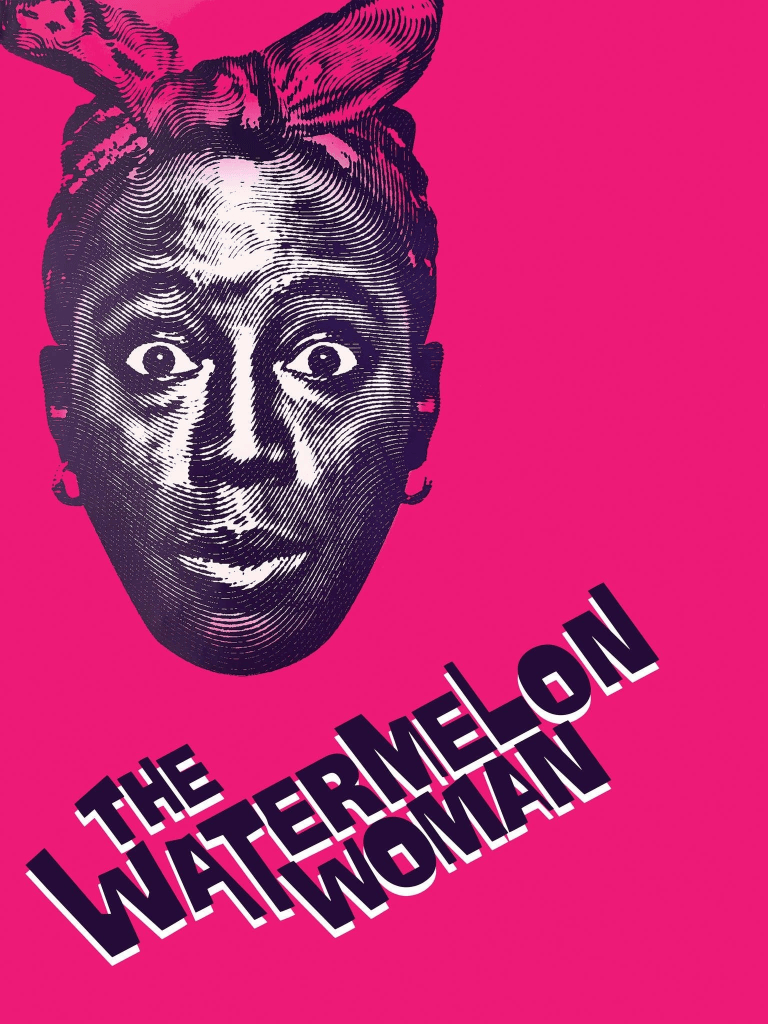
The film also marks its 30th anniversary this year. Speaking after its Oct. 16 screening, Dunye recalled finding inspiration in the idea of creating the images of Black women she wanted to see herself. Her comments connected the film’s search for representation with the work of making room for those stories.
Recognizing established creatives while shining a light on newer voices has been the M.O. of Black Perspectives throughout its history. The program has notably premiered Ava DuVernay’s first feature and honored influential people such as Sidney Poitier, Viola Davis and Ruth Carter.
This year’s selections furthered that goal. A daughter caring for her father, a teenager balancing passion and responsibility, friends sharing grief, and a woman uncovering an overlooked history: Each story brings a different perspective to the screen.
Thirty years strong, and the plural in Black Perspectives remains fitting. These stories share a platform without being expected to represent every Black experience. Each adds something that a single story could never capture on its own.




Leave a Reply