
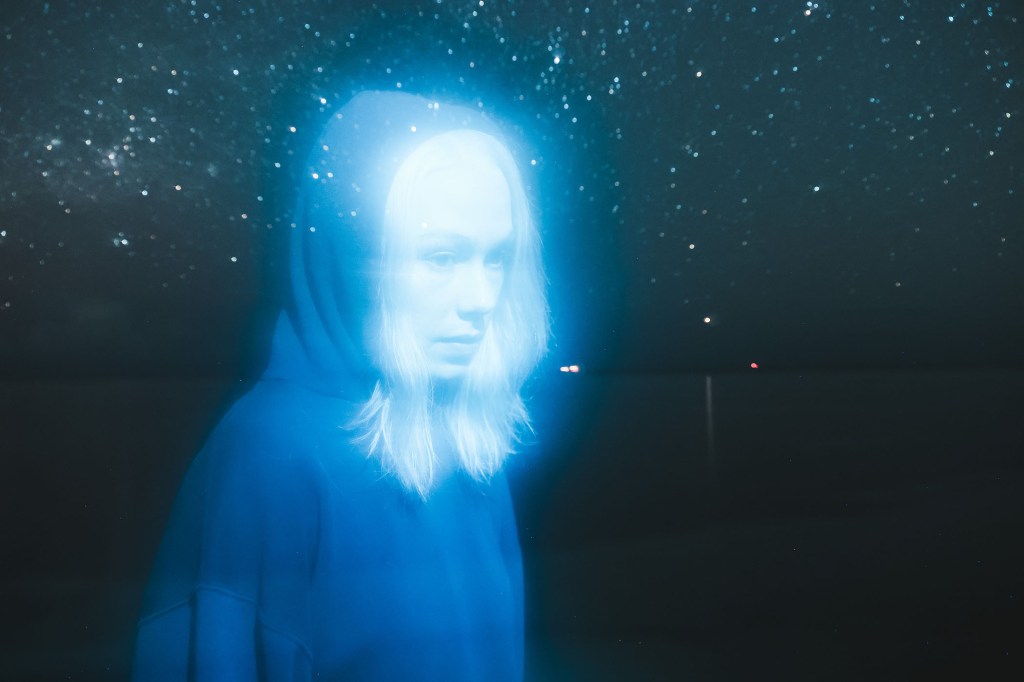
Speeding down the I-57 expressway from the Chicago suburbs, jumping out of my car at 10 in the morning, and running to the back of a line of 500 people outside of a small venue in Champaign isn’t something I would do for most people. But I could make an exception for Phoebe Bridgers.
Tragically beautiful lyricism and deeply vulnerable storytelling have characterized Bridgers’ music since her 2017 debut album, Stranger in the Alps, followed by the much more gloomy, atmospheric and cathartic Punisher in 2020.
These elements, alongside overwhelming critical acclaim, have cemented Bridgers as an influential force in the indie music scene over the past decade.
With the release of her third studio album, Lost Weekend, Bridgers combines the raw lyricism and thematic cohesion that has previously defined her catalog, while pushing into new sonic landscapes and covering deeply personal and emotionally complex experiences.
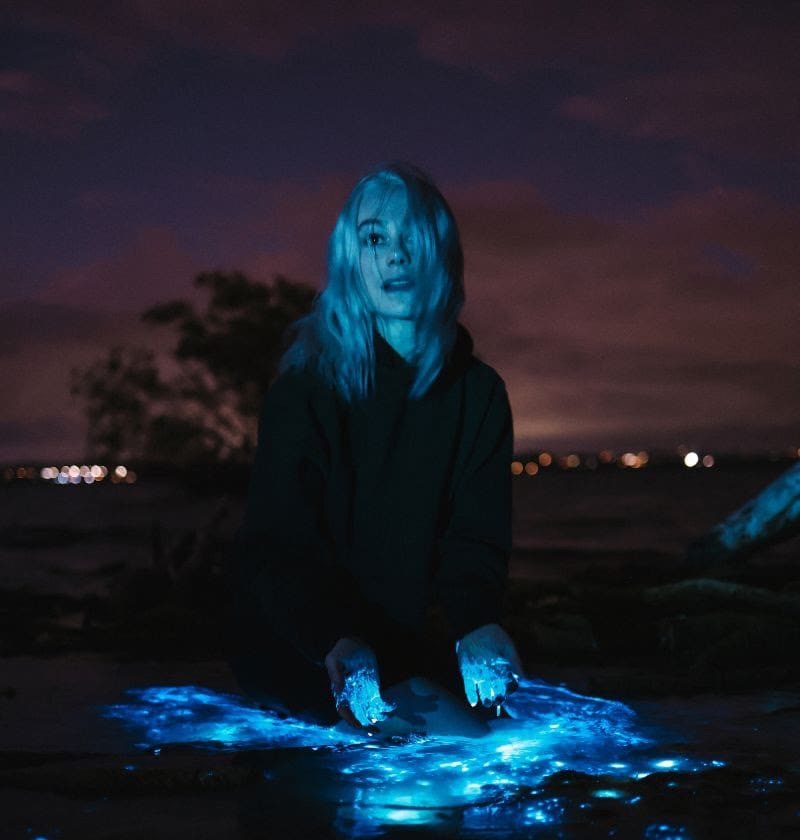
In comparison to the rest of her discography, Lost Weekend stands on its own. It explores heavy, emotionally mature themes of grief, love and loss, which she combs through in a lyrically and sonically refreshing way that is still authentic to her.
Lost Weekend was released Aug. 14, but it was May 25 when I stood in the blazing heat outside of The Orpheum, a small wedding venue in Champaign where Bridgers’ concert had been announced to play that same morning.
This “no-phones” concert was one of a string of pop-up shows across the United States as a part of the rollout for Lost Weekend before anyone knew the details of the record, even its title. But enduring the heat was the least of my concerns.
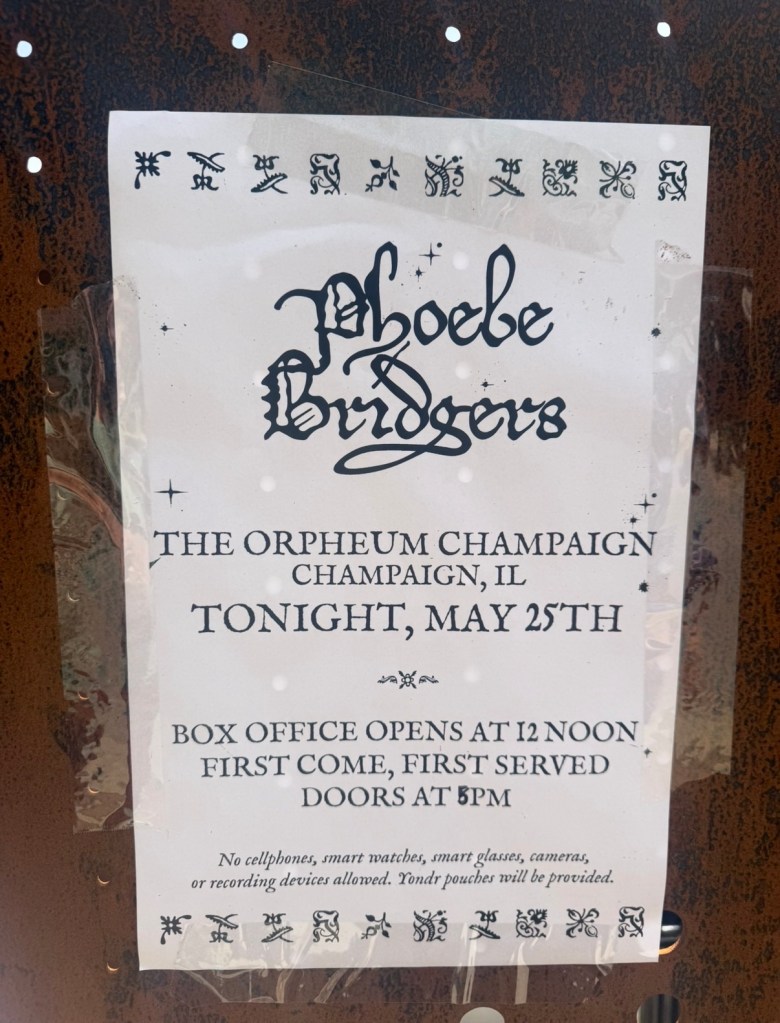
I stood, terrified, hoping for the opportunity to attend an intimate, 500-person concert for one of the biggest indie artists on the planet.
At the time, I hadn’t fully grasped Bridgers’ artistic flexibility and creative potential, despite her exceptional musical works in the past. But my perspective would soon be changed.
Bridgers excels at letting listeners step uncomfortably close to her inner monologue. We watch her shift between feelings of grief, love, resentment, camaraderie, innocence and maturity over the 52-minute span of the record.
“The Outside,” the album’s opening track, begins with the lines, “Crying in a suit and tie / But you should see the other guy,” which Bridgers whispers into a vocoder, something sonically unfamiliar to her earlier works but fitting effortlessly over her punchy, vulnerable lyricism.
These lines signal one of the greatest struggles Bridgers explores on the album: grieving the death of her father, which elicits a mix of conflicting emotions.
On track nine, “Still Standing,” she delves further into the complex relationship she had with her father. She unsparingly describes who he was as a parent and a husband: “I found her bleeding over the sink / But when you said, ‘sorry’ / You were looking at me.” It’s one of the most powerful and devastating lyrics on the album.
She describes the abuse she witnessed against her mother growing up, letting audiences in on an incredibly vulnerable moment.
But despite her anger and resentment, she admits, “I can’t imagine you dead / But you are everyday / Thank you for everything.” This confession allows audiences to see a new side of her during this journey through grief.
Other moments where her anger slips out are captured on the closing track “Lost Weekend (Reprise),” when she states, “I still live by the things he taught me” and with a bittersweet voicemail from her father on the interlude track, “Never Going Back!”
Grief, a theme never fully explored in her previous works, displays Bridgers’ emotional complexity during this period of loss. Holding onto all of her resentment for her father is impossible, and moments like these illustrate the emotional nuance and honesty reflected in Bridgers’ songwriting.
We hear similar nuance when she explores themes of losing and gaining love and how it impacts her.
On track four, “The Governor’s Waltz,” she uncovers the superficiality of a previous relationship with cheeky yet deprecating lyricism such as “I was too happy to feel at home” and “Being myself wasn’t easy.”
Bridgers’ songwriting is often perceived as melancholic and existential. But here, her lyrics turn volatile, weaponized against those who have hurt her in the past, signalling a new direction for her lyrically.
These cracks in the relationship eventually rupture on the title track, “Lost Weekend,” with vivid lyrics such as “I’m supposed to be married, but I called it off” and “I loved you and you couldn’t forgive me for that.”
Although Bridgers is mourning the loss of her love, she also experiences profound revelations. By understanding that her efforts in the relationship would not amount to anything, she comes to the devastating decision to cut it off.
The track then explodes into an instrumental flurry of layered synths that carry the listener forward through Bridgers’ personal landscape of love and loss that she is slowly forging on this record.
This level of variety and artistic growth wasn’t something I could have comprehended as I walked through a winding line outside of Bridgers’ pop up show, hopeful to get in under the capacity limit.
I crept closer and closer to the box office, inching toward obtaining a wristband. But with only four people left before me, the show had sold out.
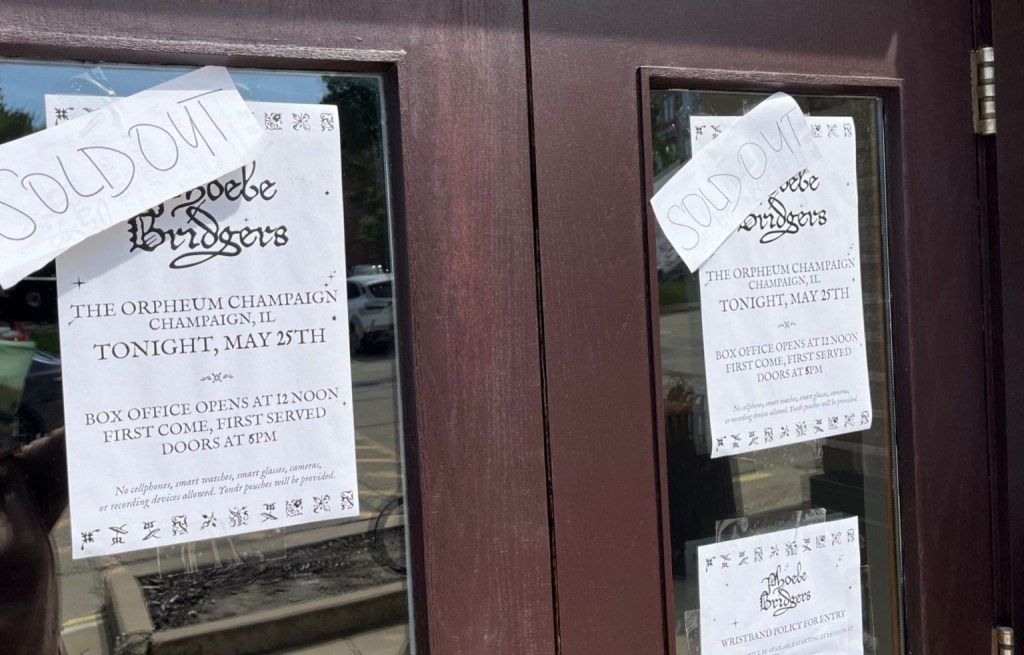
I was devastated. I had come all the way to Champaign, only to lose the chance to see Bridgers live. But I found solace and excitement for the future ahead in the fact that a new album was bound to come out. Bridgers herself inspires us to find the good in situations.
Even though she expresses struggles with love at many points on the album, she conveys that a newfound love has saved her and left her finally healed. On the explosive track five, “Bobby,” under a whirlwind of electronic guitars and drums, Bridgers tells her new lover that their relationship might signify “the end of wanting.”
This level of contentment is exactly what Bridgers has been seeking through the storm of grief, loss, and superficiality she has survived.
In the end, she feels deeply committed to her lover and dedicates the last words of the record to him on the closing track: “But we’re gonna be alright, me and you / You love me and I won’t ever let you forget, not yet.”
Lost Weekend’s mature songwriting and introspective, deeply personal themes, coated with refreshing, explosive, atmospheric and occasionally haunting production, propel Bridgers to a new level of artistry in her career and prove that she is incapable of doing the same thing twice.
Unlike Bridgers, I actually ended up doing the same thing more than twice.
Despite not scoring tickets to Bridgers’ pop-up show in Champaign, I was lucky enough to attend three “no-phone” concerts this past month in Indianapolis and Chicago as part of her Lost Tour. The tour will run through December 2026 across North America and Europe.
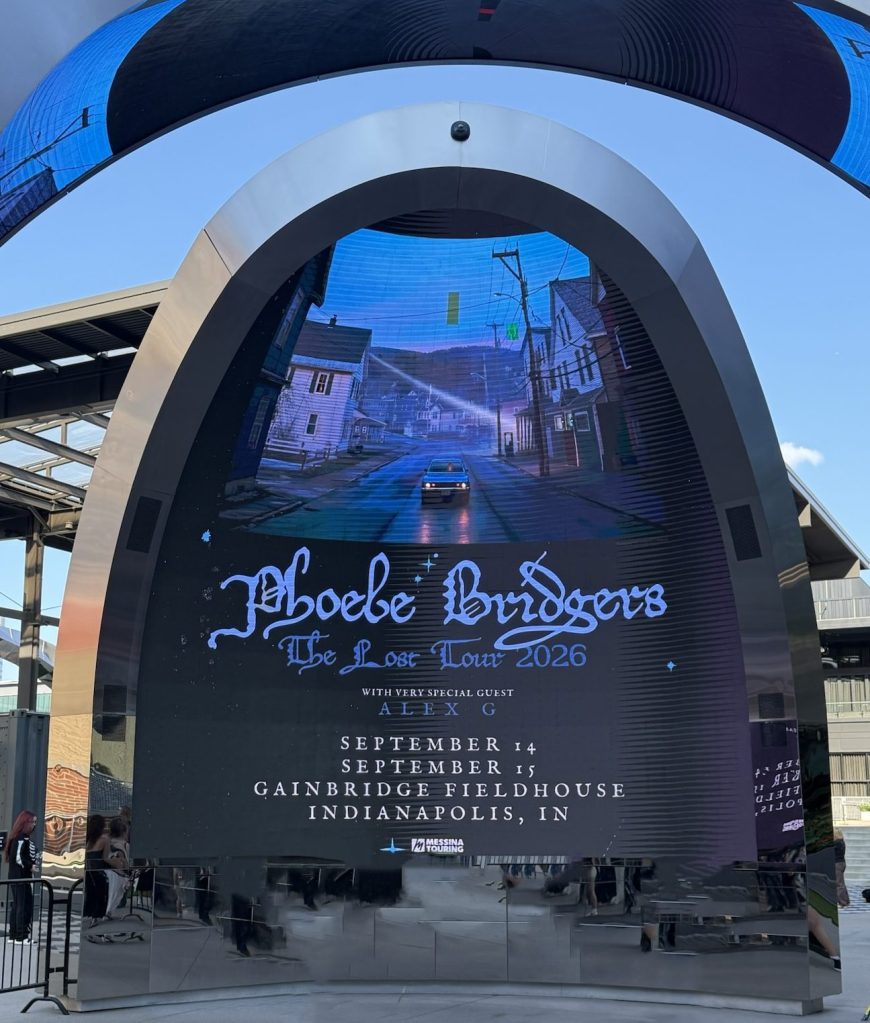
Finally getting the chance to see one of my favorite artists live—performing her expansive catalog and a staggering new piece of work in a phoneless room of more than 20,000 people—is an experience I will never forget, and one I highly recommend.



Leave a comment