
Shadows—gone. Faces—evenly lit. Dimly lit scenes—still illuminating.
If you’ve noticed something off in newer shows in comparison to older ones but can’t really pinpoint the difference, you aren’t alone. It feels like every show looks the same and the only differing characteristic is the storyline. Everything just looks like an advertisement.
This visual style is being referred to as “Netflix lighting.” It’s characterized by soft, low-contrast and evenly exposed scenes with minimal shadows and high clarity.
You’ll see this lighting style in a lot of Netflix’s recent originals, hence the name, but it has recently spread to the big screen.
As streaming media evolves, so do the artistic intentions and actions that guide the storylines within movies and television shows. But advances in technology do not necessarily lead to advances in storytelling.
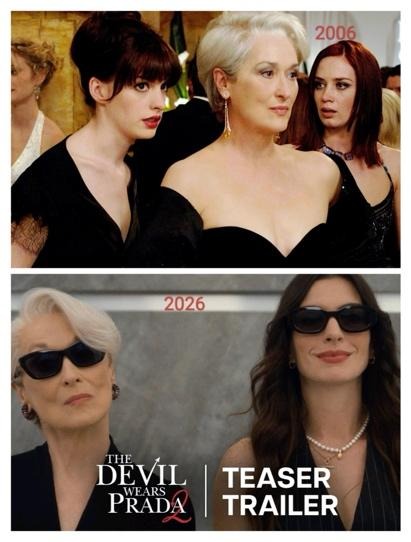
Take a look at the trailer for The Devil Wears Prada 2, which exemplifies Netflix lighting, in comparison to the first Devil Wears Prada. The original film has a more cinematic approach, with greater depth and contrast from scene to scene.
In the original, lighting is used to emphasize the hierarchy between Miranda Priestly (Meryl Streep) and Andrea “Andy” Sachs (Anne Hathaway). Scenes where Miranda is present are crisp. In the sequel, lack of dramatic highlights and shadows create an evenly exposed environment. The original film feels very nostalgic, rich in color and stylized, while the sequel feels gray and flat with a more uniform look.
A comparison of screenshots shows the differences between the warm yellow and the stone-grey backgrounds, one contrasting drastically while the other blends with the close color palette.
With Netflix lighting dominating the streaming industry, color grading is losing its popularity. Color grading is the art of altering the color of footage in the post-production process. It creates changes that enhance or set a desired mood or emotion with colors and contrasts in a scene.
“There is a psychological dimension to color,” says Tyler Hewitt, professor of photography at Moraine Valley.
Warmer tones feel intimate; cooler tones cause tension. With Netflix lighting, there is less contrast for color grading to work with, creating a neutral color palette that mutes expression. The visual intensity of scenes is gone, and filmmakers must rely on the acting to make up for it.
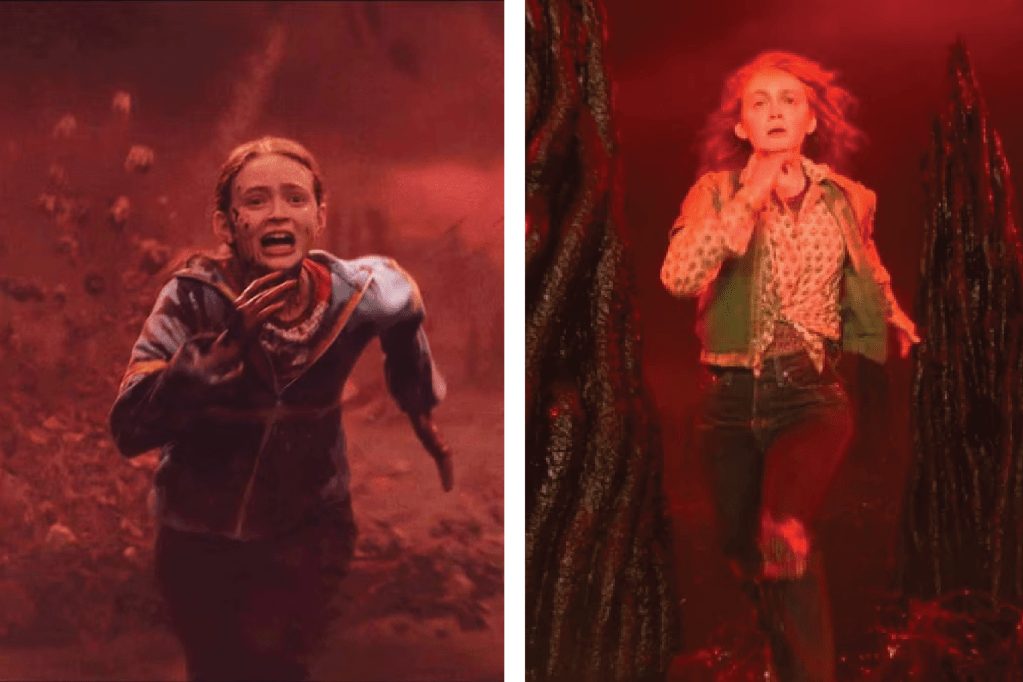
Netflix’s originals haven’t always been cold and lacking contrast. For example, the earlier seasons of the Stranger Things have color grading and darkness that reinforce the show’s ’80s whimsy and depth of conflict.
It appears that in season five, the lighting was modernized. Scenes in “The Upside Down” from season one were extremely dark and shadowy, while season five is tinted blue. The nostalgic vibe of the ‘80s disappeared.
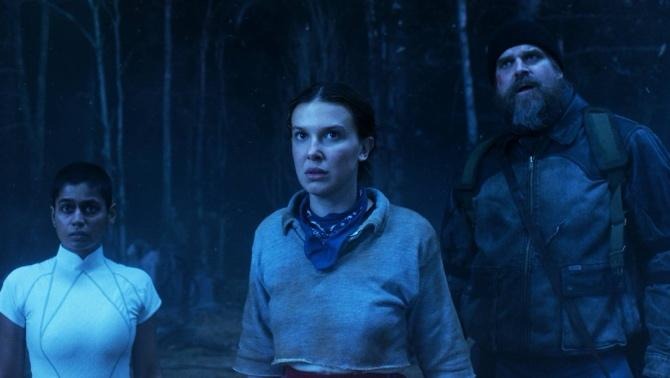
Although the modernization of color grading feels like a step in the wrong direction artistically, it is a blessing in disguise for those who suffer from visual impairments and need a higher level of light to process visual information. The new approach makes it easier for them to follow scenes and have more clarity in darker or dimly lit scenes.
Netflix lighting also allows for consistent clarity throughout different devices. Laptops, phones and TVs can have evenly exposed optics. Movies made for the big screens in theaters can be too dark for smaller screens, making viewers miss out on details and visual storytelling, especially when scenes are shadowy.
However, the new neutral color palette restricts opportunities to reflect deep character emotions. Lighting and color are important tools for creating emotion, so filmmakers carefully place shadows and variations in tone.
“Contrast in an image definitely can increase visual interest,” says Hewitt. “It can also affect the mood or feeling … Increased contrast tends to flatten an image visually, making it look more two-dimensional.”
Netflix lighting is creating a ceiling for artistry where one should never be. Lighting is a powerful tool with the ability to control mood, tone, tension and visual identity. The lack of creative lighting is leading to less experimentation and a trend of shows looking the same despite unique stories.
Despite the drawbacks of Netflix lighting, combined with original lighting techniques, it provides another outlet for storytelling, which is the whole point of art.
Advancements in technology can help. HDR (high dynamic range) can provide rich colors and contrast while maintaining visibility across all devices.
Artists will need to find a balance where visibility enhances the storytelling by making it easier to see actors’ emotions, while color grading and shadowy figures enhance emotion.
“Knowing what you want a film to look like or what you need to communicate is the important part,” says Hewitt, “and that will be different for every project.”


 Velocity
Leave a comment