
It seems that getting groceries has become difficult recently. Grocery prices have skyrocketed, alongside everything else we consume. Several grocery stores on the South and Westside of Chicago have closed their doors for good this past summer, leaving the people in those communities to travel farther to stock their fridges and pantries.
Food insecurity is not unique to the Chicagoland area, but it is a prevalent issue within the city’s limits. According to Sarah’s Circle, 1 in 3 households face food insecurity, and 31 percent of Chicagoans say that they have “skipped, reduced, or delayed paying other bills or purchasing medication so they could afford food.” It’s an issue that’s much more prevalent than people may think, but what’s causing this mass hunger? And what can be done about it?
Food deserts affect a lot of communities in Chicagoland. The Save a Lot grocery store that many families relied on at on 107th Street and Halsted Avenue was one of the many locations to be shut down, leaving the next nearest grocery stores in that area blocks away on 103rd and Kedzie or 117th and Marshfield.
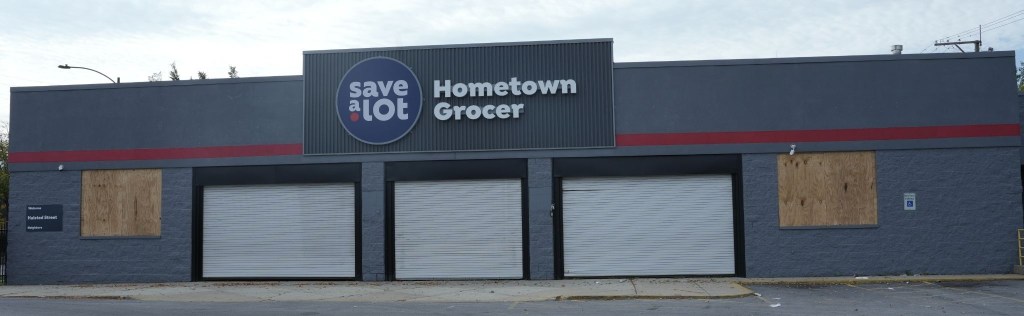
Robbins and Blue Island are two local areas where grocery stores are hard to come by. Robbins, a south suburb of Chicago, is estimated to be 40.42 million square feet, but even with all of that space, Robbins does not have a traditional grocery store within village limits.
Blue Island, which houses a Moraine Valley satellite campus, faces the same issue, with no options within its city limits where residents can obtain fresh, healthy groceries.
The price for a carton of eggs in Chicago ranges from $5 to $9, but there’s a hidden cost: transportation. Food deserts can force locals to make the decision between a week’s worth of gas for school and work or a 30-minute trip out of town for an inflated grocery bill. And that’s for households with access to easy transportation.
About 1 in 4 Chicago households don’t own cars, leaving them to rely on bus routes that aren’t always on time, or rideshare services.
Robbins does not have a traditional grocery store within village limits. Blue Island, which houses a Moraine Valley campus, faces the same issue, with no options within its city limits where residents can obtain fresh, healthy groceries.
Everyone deserves access to groceries, no matter the area, but food insecurities disproportionately affect certain communities, making it harder for already struggling groups to meet their basic necessities.
Students especially can be greatly affected by food insecurity. Trying to focus on schoolwork while feeling hunger pangs can affect academic performance.
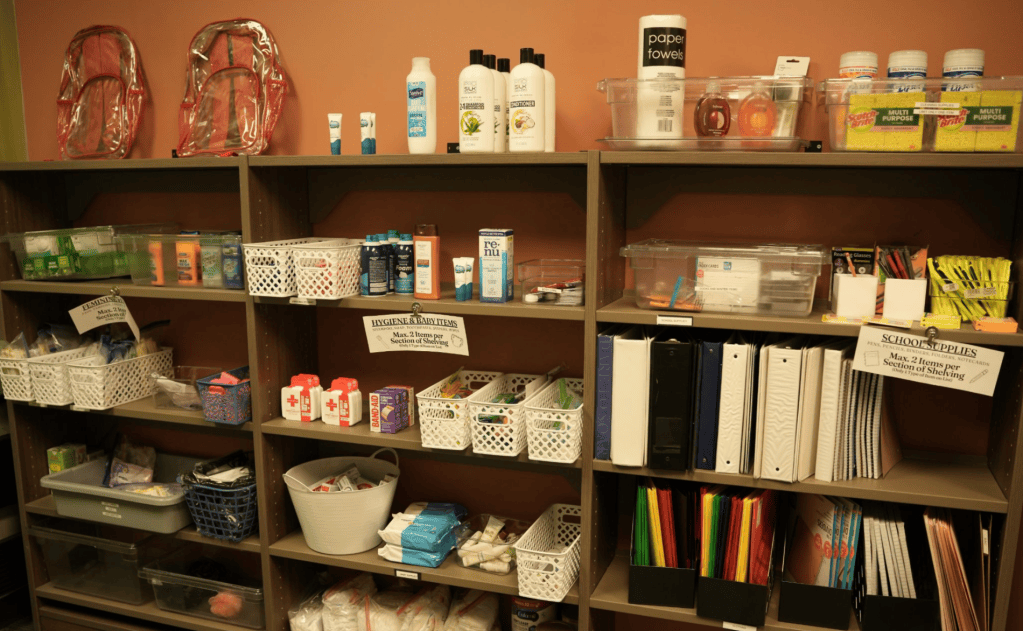
Most students are unaware that we have a pantry here on campus. The pantry, which is located on the second floor of the S building, helps give students a sense of security in knowing where their next meal will come from. The pantry operates free of charge for students once a week.
Students can contact the Counseling & Career Development Center at 708-974-5722 or counseling@morainevalley.edu to learn more about Project Care.
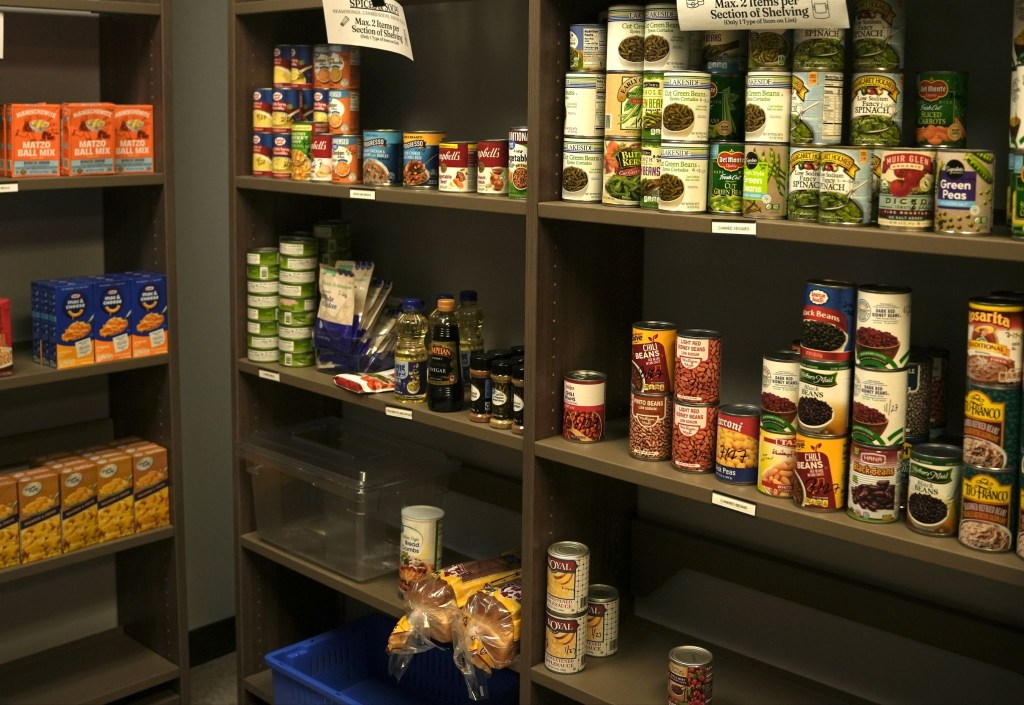
If you’re in a position to give, the food pantry is always accepting donations, as long as they are unopened and unexpired. For families and individuals experiencing hunger, the last thing they want to worry about is getting sick from spoiled food.
Student Needs Support Specialist Cecily Barajas says that some of the pantry’s needs are basic hygiene items, soap, snacks, and TV dinners.
Trying to get quality groceries for our families these days is not as easy as it once was, but through community and support, there are ways to combat food scarcity when times get tough.


Leave a Reply