
If you grew up in the Chicago suburbs, a core memory from elementary school may be going to the Museum of Science and Industry for a field trip. From the turbulent tornado simulator to the captivating Christmas trees around the world, the museum offers a diverse arrangement of interactive and visually appealing exhibits.
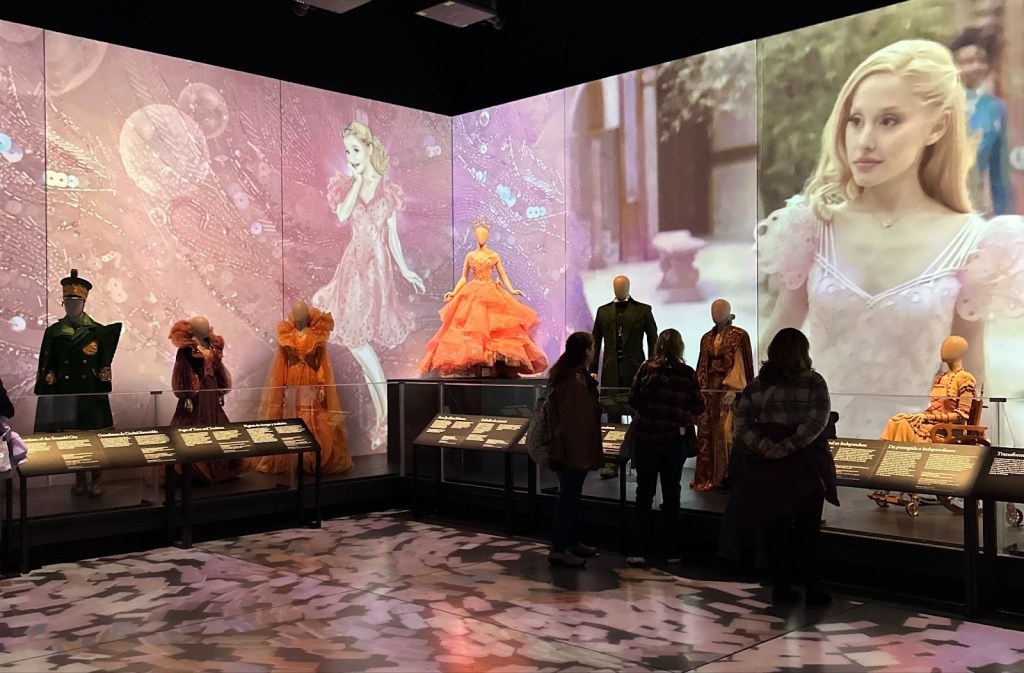
But for a surreal, stunning journey, it’s worth making a trip to MSI between now and Sept. 7 to see the new exhibit, “Crafting Character: The Costumes of Paul Tazewell.” If you haven’t heard of Paul Tazewell, you may have caught a glimpse of his pieces, including Glinda’s iconic bubble dress and Elphaba’s black attire in Wicked and Wicked: For Good.
Tazewell is an American costume designer for film, television, theatre, and dance. He has won 28 awards including the Oscar for Best Achievement in Costume Design, and was the Critics’ Choice Awards winner for Best Costume Design, both for the film adaptation of Wicked.
Alongside his visually intricate costumes for Wicked, Tazewell has created other successful looks for Broadway musicals such as The Wiz, West Side Story, Harriet, Hamilton and more.
The Griffin Museum of Science and Industry opens at 9:30 a.m., but the exhibit itself does not open until 10:30, allowing time to explore what else MSI has to offer beforehand. There is no time slot required for the exhibit, with groups being brought in periodically from a queue.
The exhibit is comprised of six rooms, with four main rooms displaying Tazewell’s costumes along with an entry room and exit room.
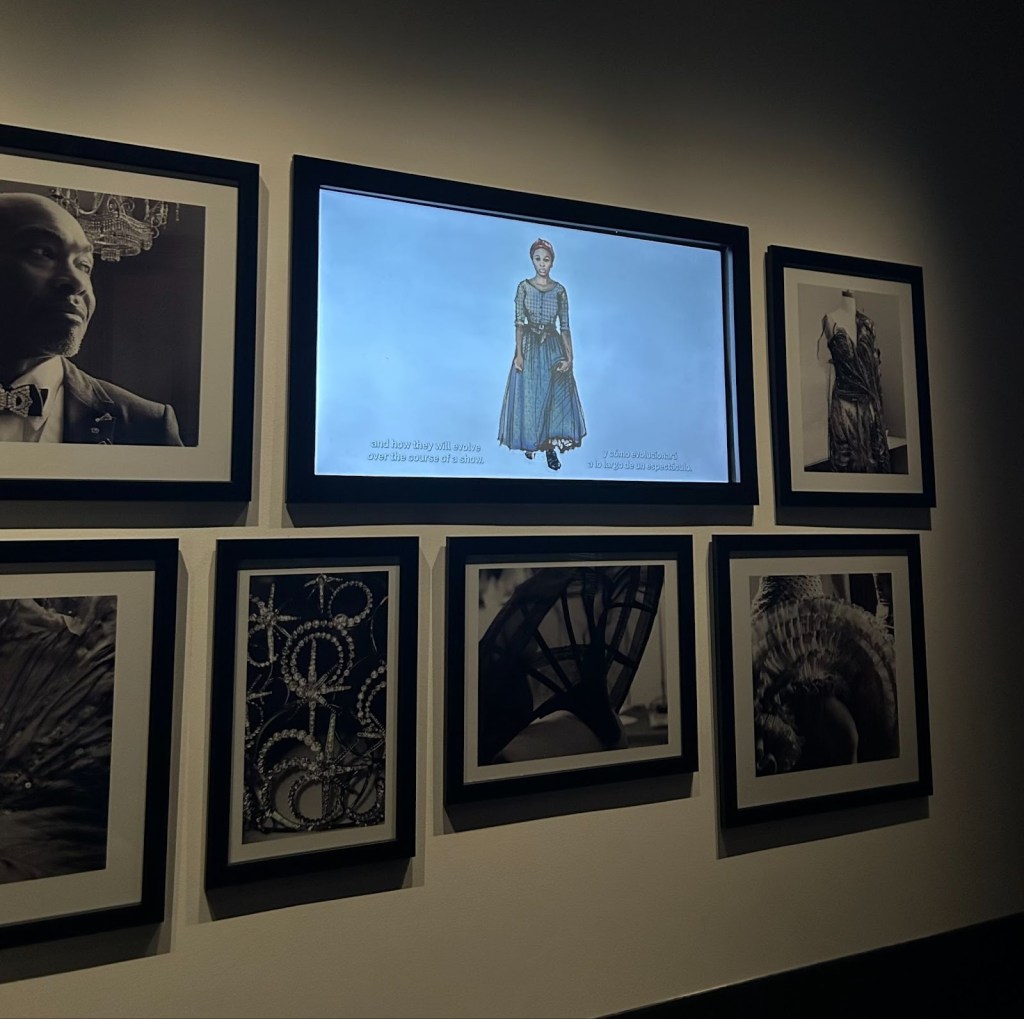
In the entryway you are greeted by various artwork along with a bold, two piece look Tazewell created for Janelle Monáe at the 2025 Met Gala. Before transitioning into the next room, a welcome video featuring Tazewell plays, giving a preview of the exhibit.
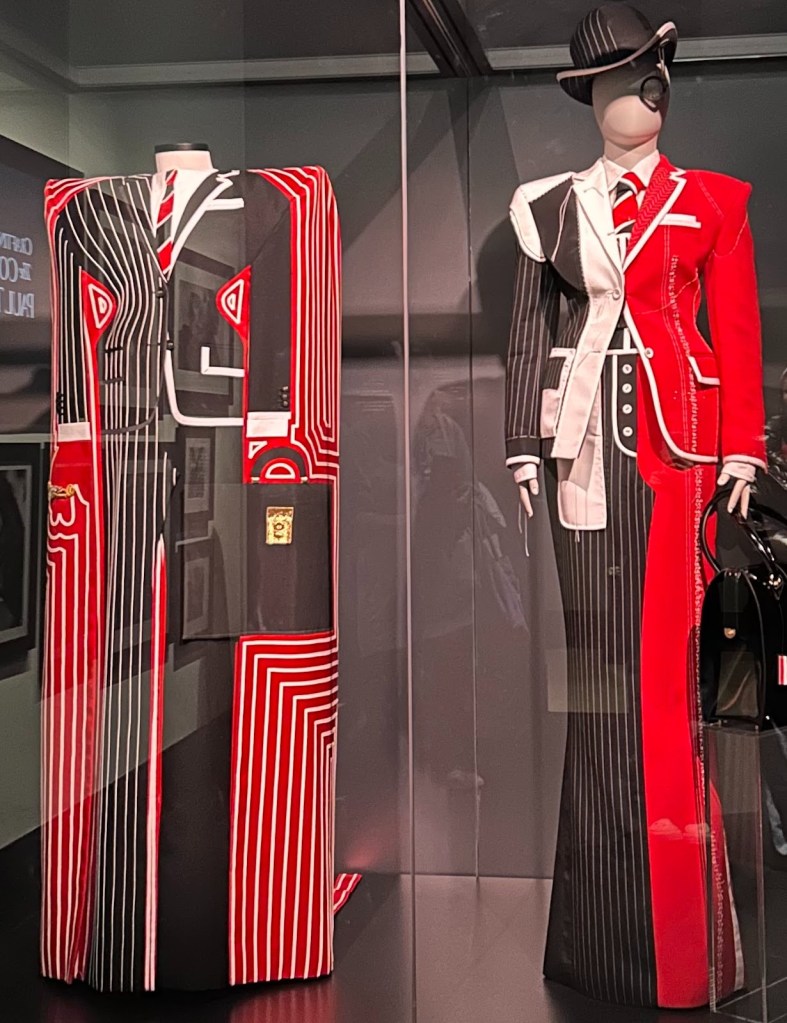
Tazewell expands upon his creative process by posing the question “Where does fashion end and costume begin?” Monáe’s Met Gala look answers this by expressing how both fashion and costume are merged together by impeccable tailoring and culture while evoking surrealism and theatricality.
Upon entering the first main room, the walls immediately draw the eye, displaying projected videos that give backstories to each costume in the exhibit.
Along with these projections, Tazewell’s childhood takes focus through a display of marionettes crafted by his mother, Barbara Tazewell.
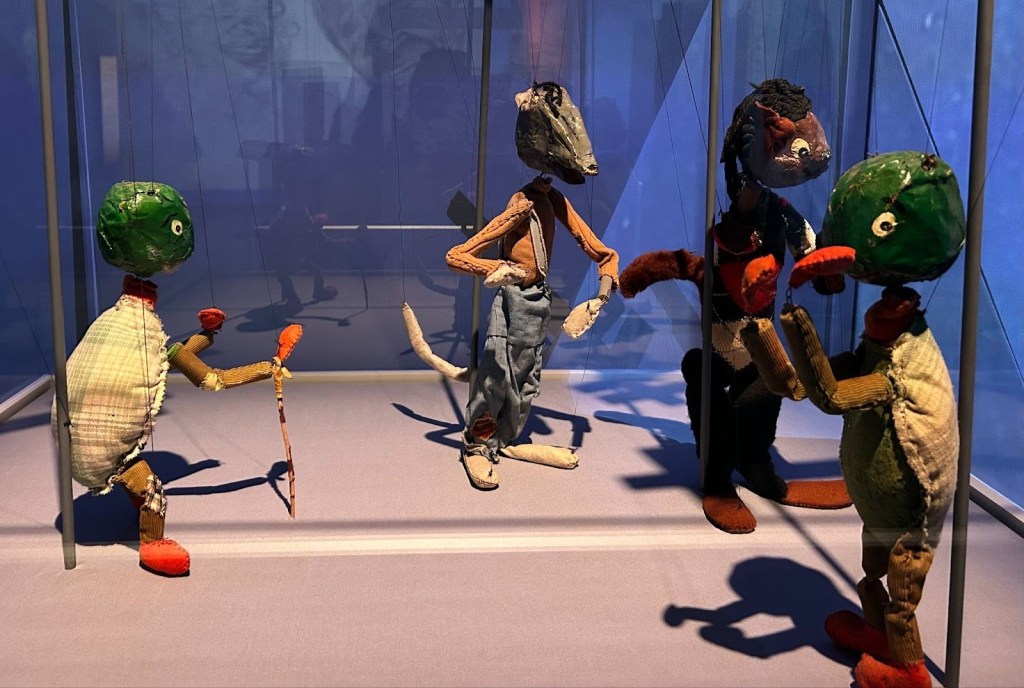
Created to tell a story called “The Hap-Hap-Happiest Turtle,” these puppets represent a turtle character at different ages. This childhood experience sparked a light inside of Tazewell, as the inanimate objects were brought to life with movement and costumes, fueling his passion for storytelling.
The second room features the costumes created for Harriet, Hamilton and West Side Story. Maria’s flowy yellow dress, Harriet’s velvety escape attire and the Schuyler sisters’ cohesive and dignified gowns are displayed. Each garment is appropriate to its time period.
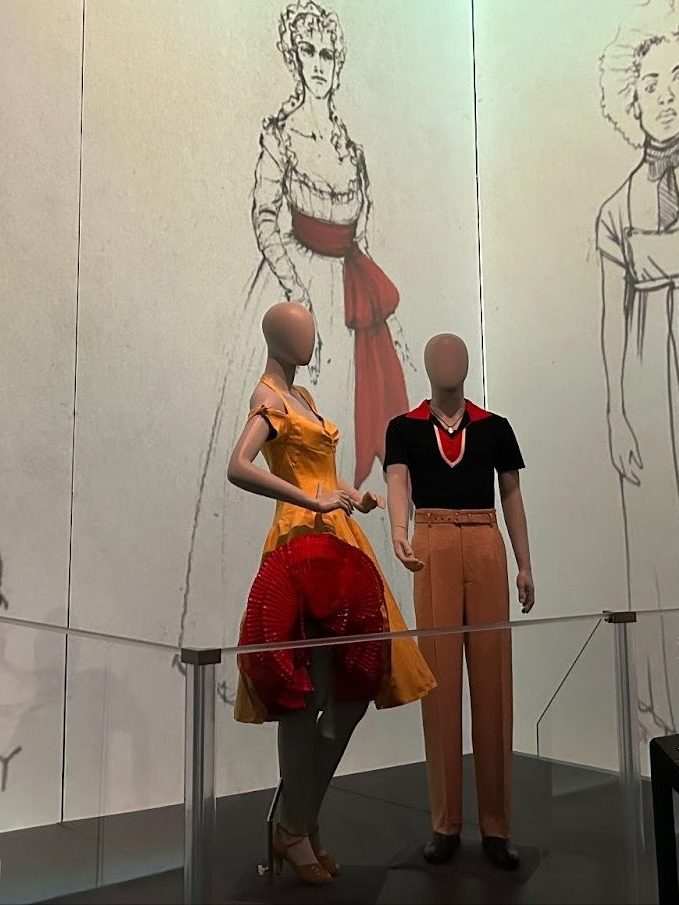
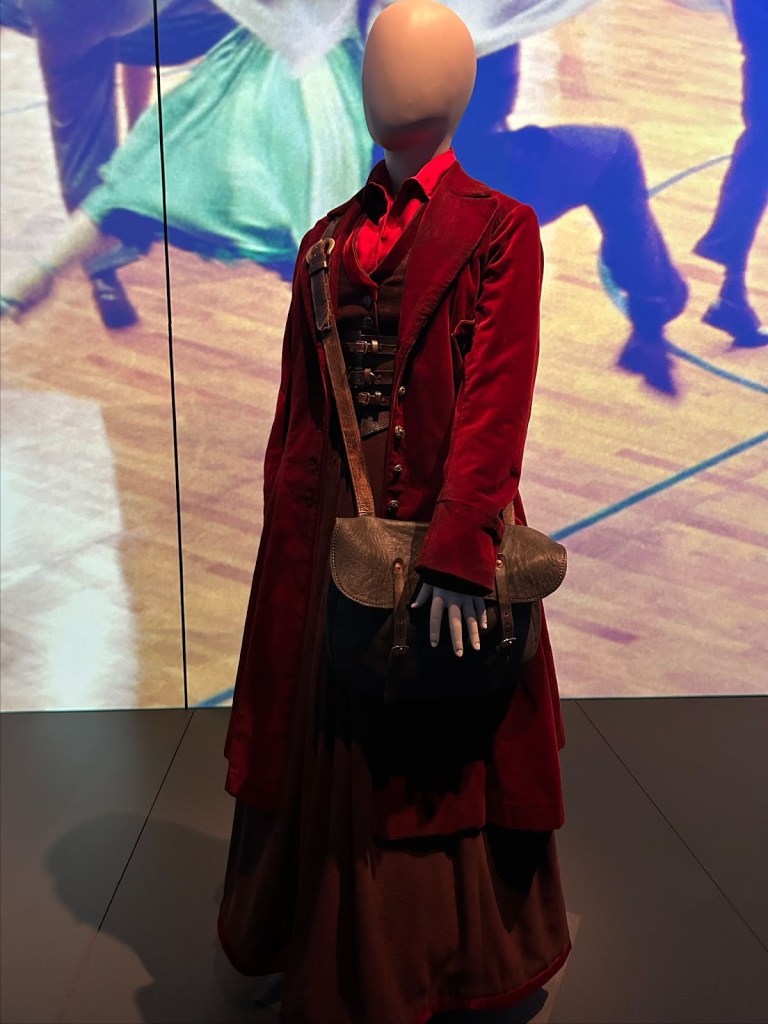
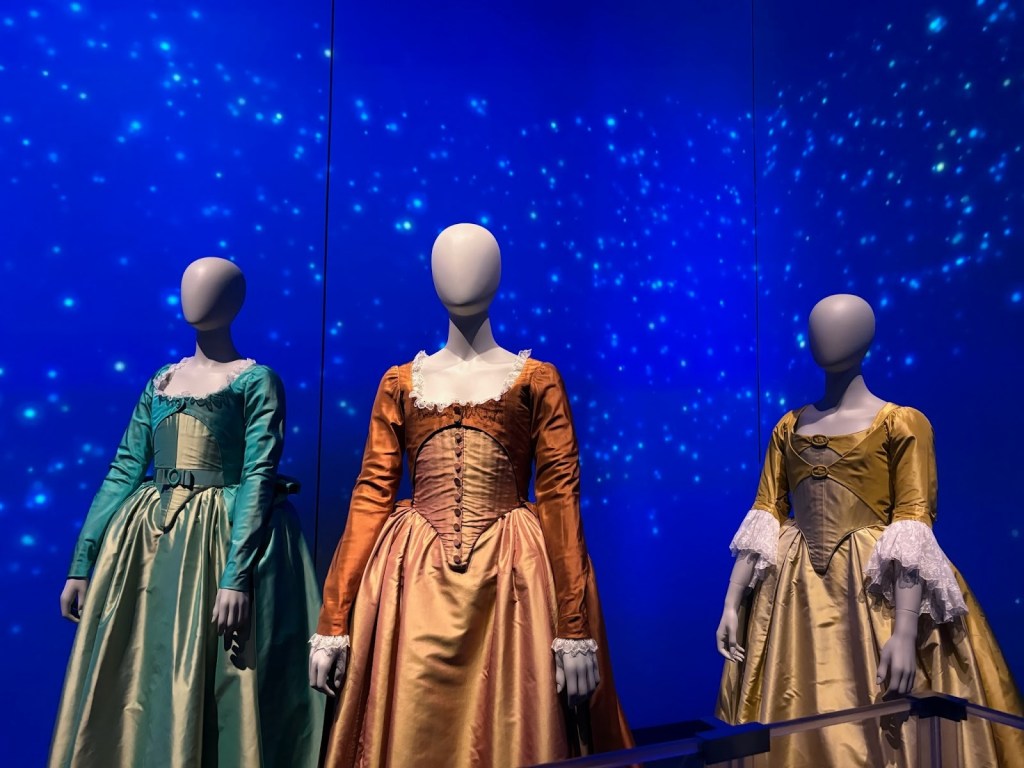
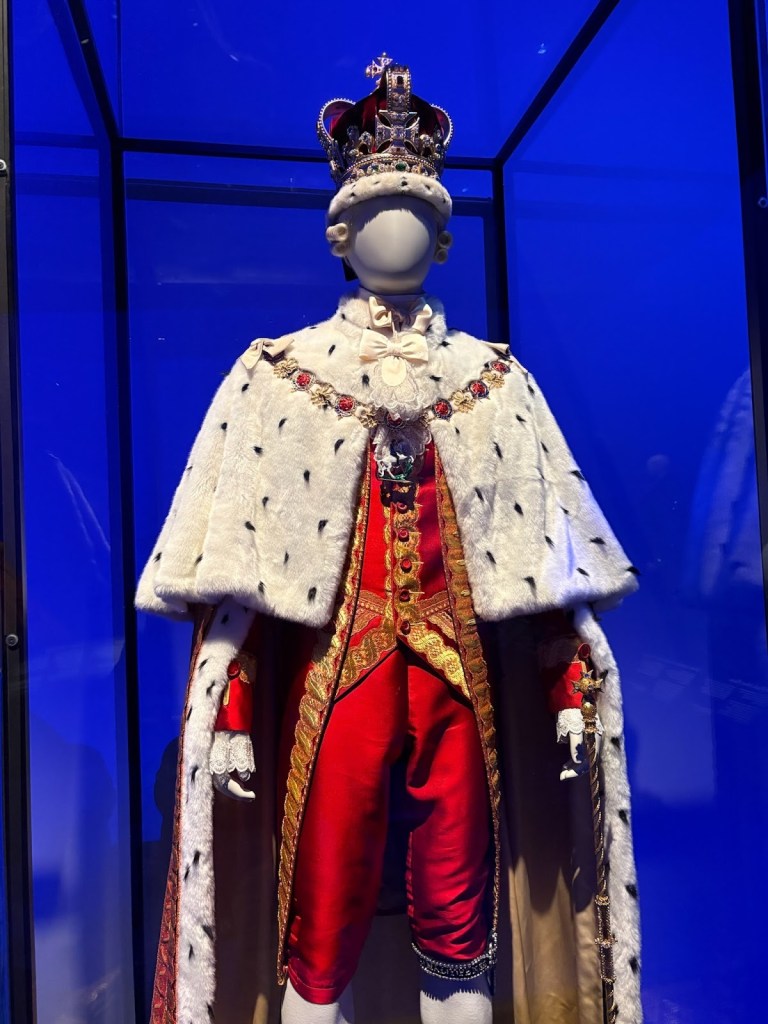
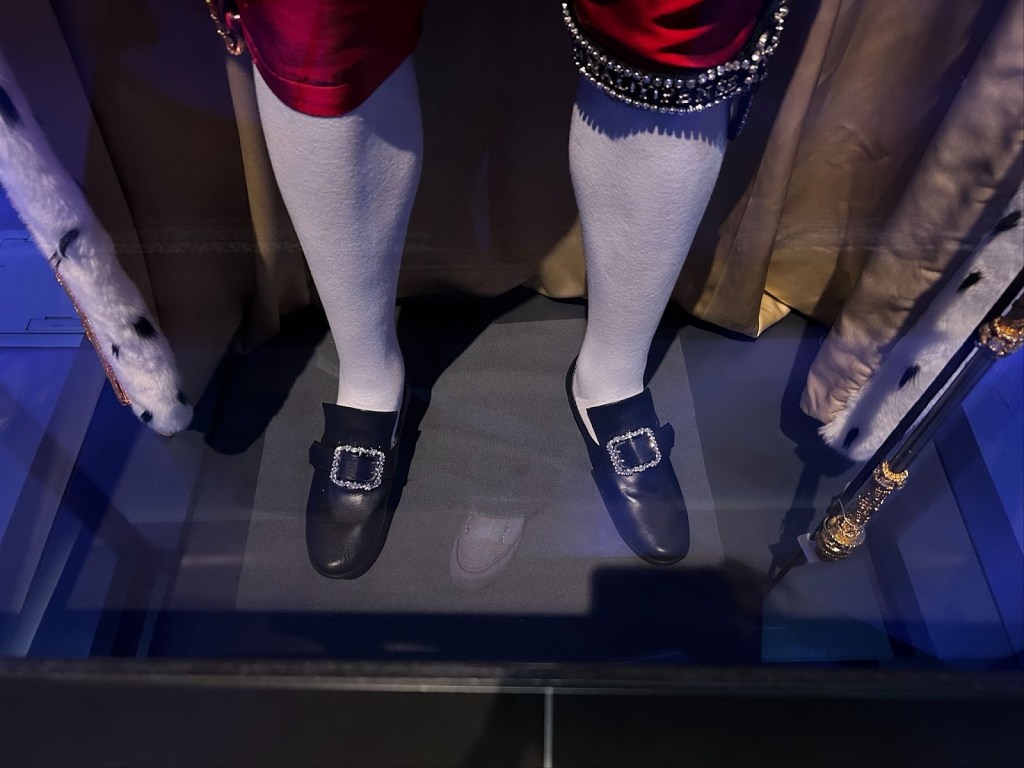
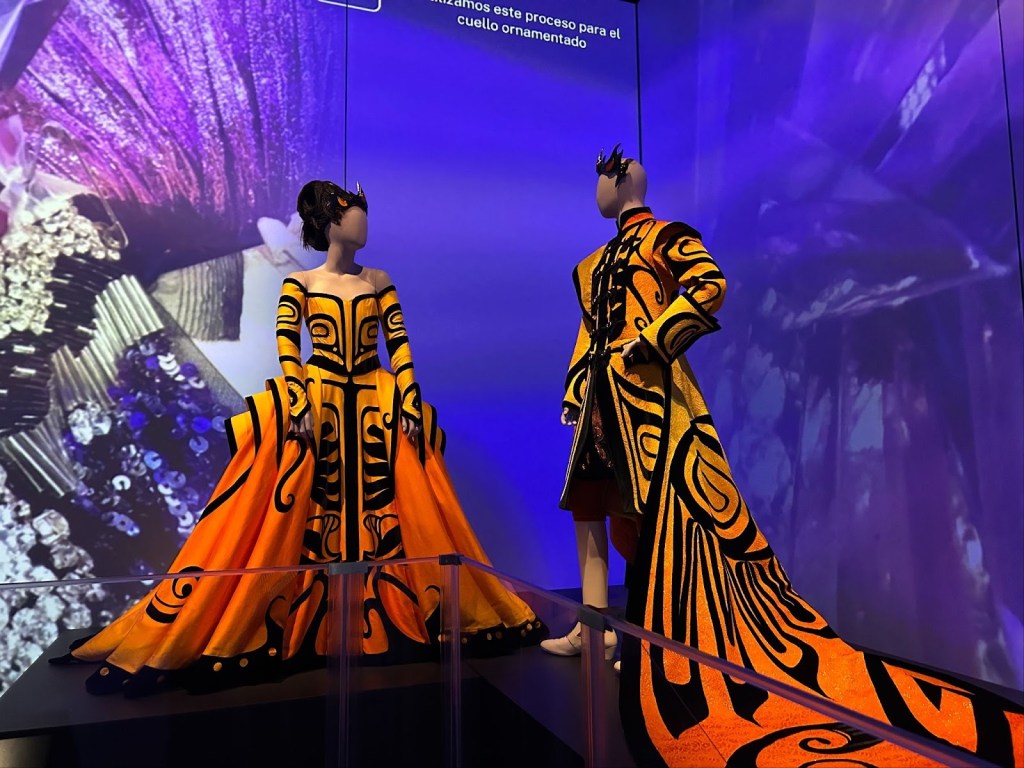
The second room then transitions into the third room with the King George III costume from Hamilton displayed in its own glass case. The majestic fur and velvet outfit is paired with black loafers with sparkling buckles. The main exhibit of the third room centers around The Wiz with bits and pieces of Death Becomes Her and The Sleeping Beauty ballet. The Sleeping Beauty ballet costumes are astonishing, with the marvelous almost Hunger Games Capitol like attire. The contrasting orange-yellow hues and black embellishments are out of this world.
The fourth and final room holds the grand finale of costumes worn by the cast of the film adaptation of Wicked. Just under your feet are interactive pink and green bricks, combining Glinda and Elphaba’s respective colors with the unforgettable yellow brick road, moving out of the way with every step you take.
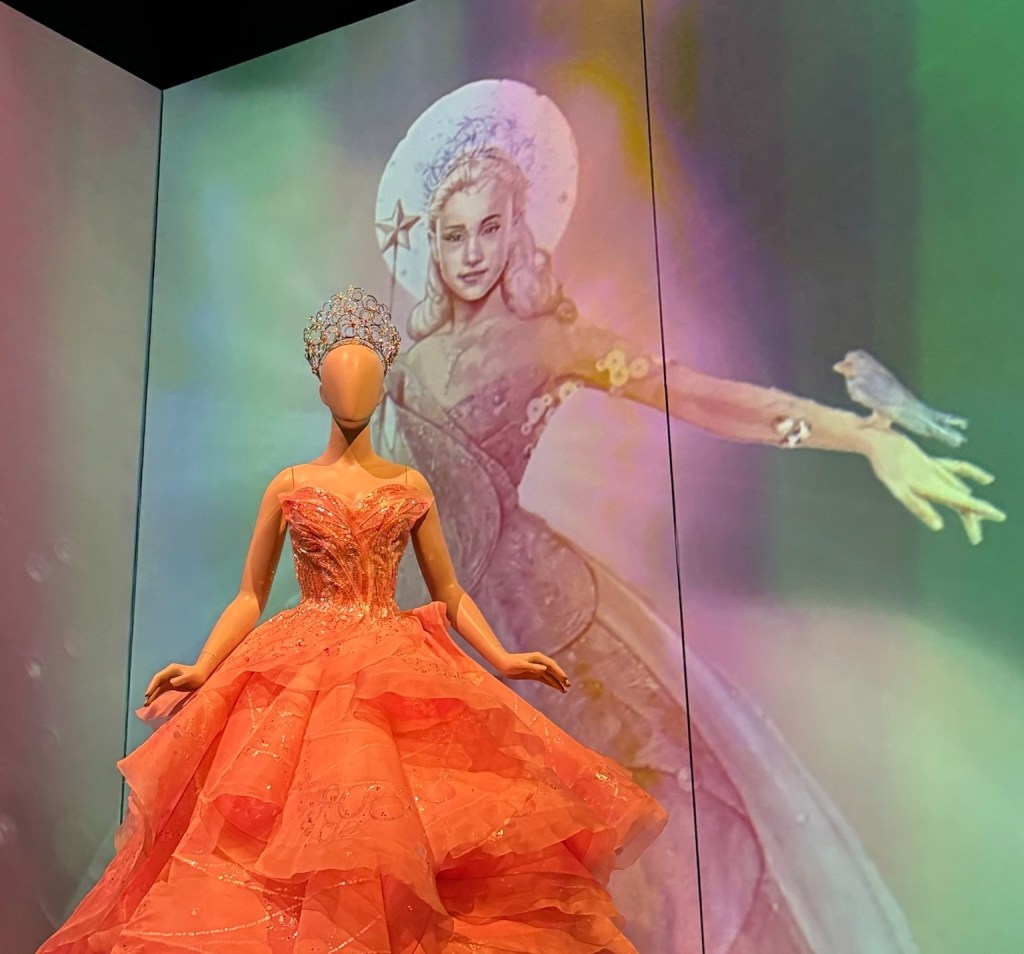
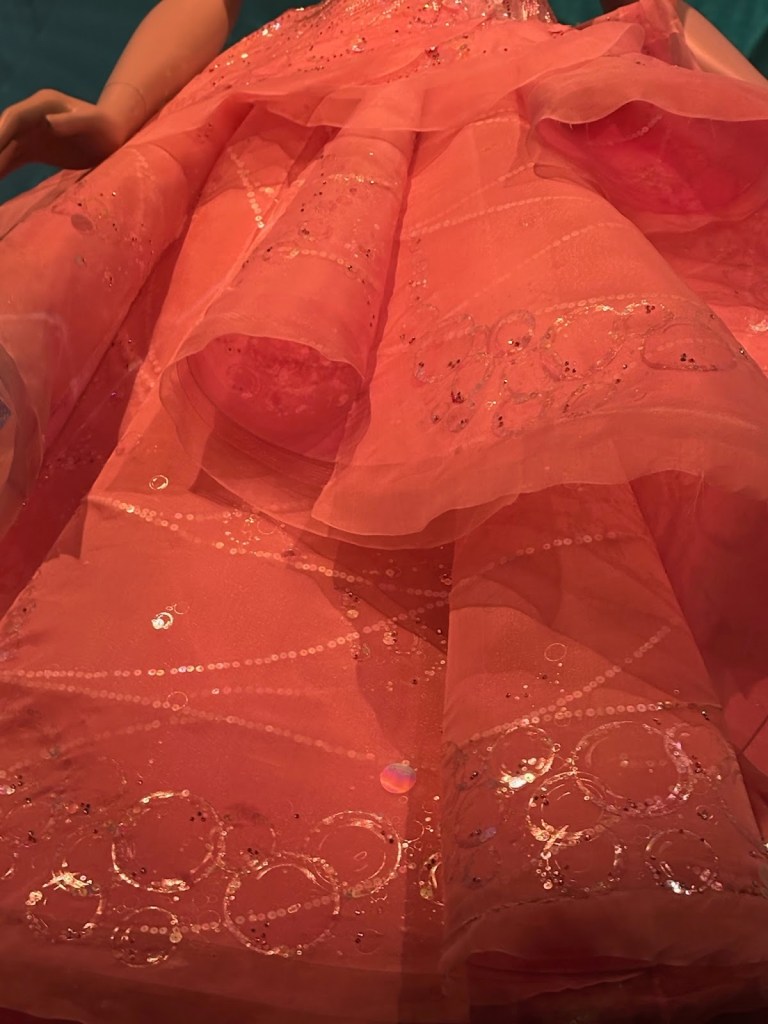
Here you’ll see Glinda’s bubble dress with its magnificent crown to match. The gracefully layered dress reveals hidden details difficult to spot on the screen. The bubble border at the bottom of her dress and the pink, elegant, sparkling heels that are hidden under the voluminous fabric further demonstrates Tazewell’s detail and character building.
Opposite from Glinda, Elphaba’s witch hat along with her black silk taffeta dress is rooted in natural symbolism, resembling bark, roots and climbing vines that wrap around Elphaba. The color black in young Elphaba’s outfit represents isolation and grief, changing into courage as she finds her voice and “refuses to abandon it.”
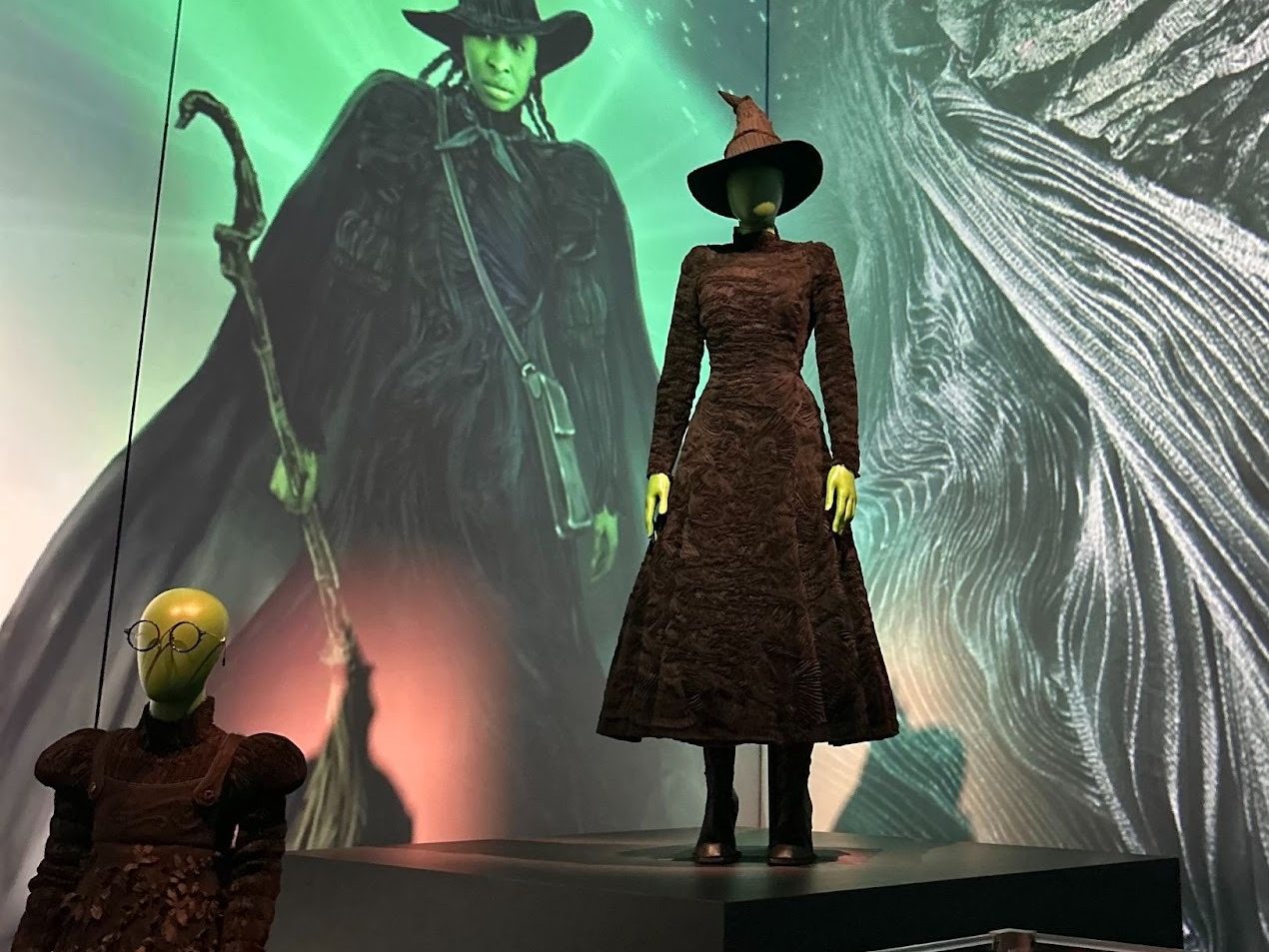
The whimsical costumes of Madame Morrible, The Wizard, Nessarose, Fiyero, Boq and Pfannee complete the collection of costumes. Each is well tailored, enhancing the story of their characters through small details.
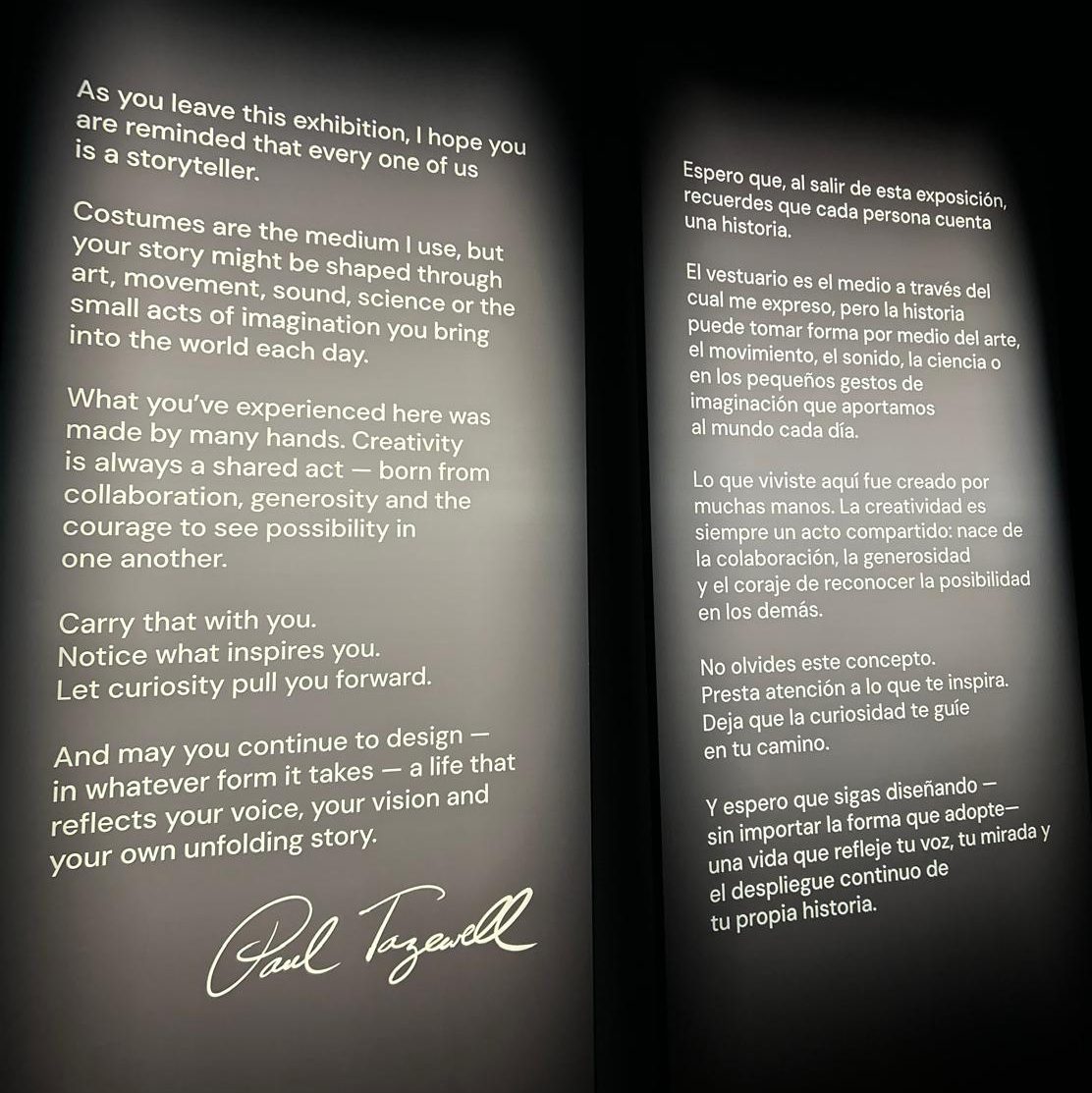
As you exit the exhibit, Tazewell delivers a final message to visitors, expressing the importance of storytelling through art: Whether it be costumes, movement, sound, science or even the simple yet complex world of imagination, everyone is a storyteller. He advise us to carry our passion for creativity with us everywhere we go, and let curiosity reel us in.
Overall, the exhibit was a sight to see and worth the visit, especially for a fan of Tazewell’s work. The vibrant colors and the assortment of fabrics and textures were unbelievably stunning. It felt surreal to see these costumes in person and observe details that aren’t visible through a camera lens.
The entry into the exhibit is free for anyone who purchases a general admission ticket to the Museum of Science and Industry which costs between $15-$26 depending on residency and age.




 Velocity
Leave a comment