
By MATTHEW DEVER, JRN 101 STUDENT
Is a life full of pain, disappointment, heartache, hatred, and suffering worth living, especially if it’s cut short? This question, as difficult and stunning as it is, was answered with a beautifully defiant “yes,” and by My Chemical Romance, of all bands.

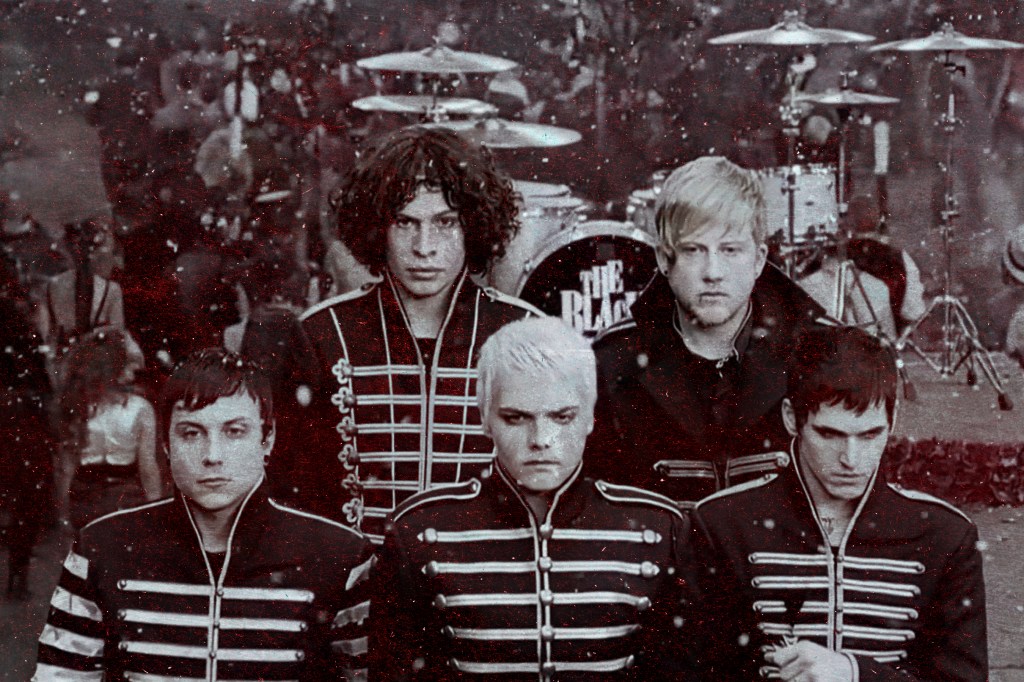
My Chemical Romance’s seminal concept album, The Black Parade, was released on October 20, 2006. Still highly influential as it approaches 20 years since its release, its cathartic storytelling about death proves to be just as relevant today. The record follows the story of a young, dying hospital patient as he reflects on the nature of death and the misery that pervades his entire life.
MCR has never been a band to shy away from dark material and depressing themes, but there is significant characterization and soul behind this record that oozes from every vocal intonation and guitar lick, which lends to its profound empathy and hunger for resolution.
The sound has unquestionably evolved from the band’s previous endeavors in such a way that the scale of the story being told is fully manifest, from the booming, wrathful guitars on songs like “Mama,” to the desperate, miserable vocals on songs like “Cancer.”
Every piece of every song fits together into a wonderful symphony of regret and reflection, and there’s never a point where you’re thinking that the band could have thought of a better riff, drum fill, or bassline.
Nothing represents this better than the most famous song off the album, “Welcome to the Black Parade.” What begins as the remembrance of a distant memory, underscored by a simple piano riff, builds into an enormous realization, backed up by blazing guitars, pounding drums, triumphant horns, and the voice of a rebellion against death itself.
The song keeps that triumph as it blasts into its main section, and as the protagonist wrestles with himself over the pain he’s been through, the instruments almost seem to encourage him to keep fighting the misery. The chorus of the song reflects this even more, clinging to some sense of hope. But where the song really reaches the peak of its rebellion is in the mantra it chants near the end.
As Gerard Way sings, “Do or die, you’ll never make me / because the world will never take my heart / Go and try, you’ll never break me / we want it all, we want to play this part,” all of the instruments explode into an overwhelming wave of pure rock sound. The song ends along these same lines, but even in its dynamism, the march towards death still continues, with a military drum rattling off.
Every song here is a testament to the vulnerability of the entire project. While hope is the highlight of the album, it is surrounded by pain. There is such an honesty to every angry and despairing lyric; it opens the audience to the humanity in the middle of the great questions of life and death and the places that those questions come from.
The rage and confusion in the face of all this hurt is so relatable, making the album an extremely engaging listen. As the patient goes through the entire rollercoaster of reflecting on his life, the audience goes through his ups and downs with him, masterfully placing the audience along for the journey.
But without a doubt, the final song, “Famous Last Words,” is the most important to understanding just what this album means. It’s the end of the road; the patient is breathing his last breath.
Every piece of every song fits together into a wonderful symphony of regret and reflection, and there’s never a point where you’re thinking that the band could have thought of a better riff, drum fill, or bassline.
Instead of giving in, instead of succumbing to an acceptance of life’s cold unfairness, Way’s vocals come whispering into the silent air, followed by steady and sharp guitar strums, and the patient musters up the courage to confront himself and his life as a whole in order to turn the whole story around.
This idea is most obvious in the song’s chorus: “I am not afraid to keep on living / I am not afraid to walk this world alone / Honey, if you stay, I’ll be forgiven / Nothing you can say can stop me going home.” The song amplifies the themes present in the album; intermixed with these lyrics are ones where the patient is barely clinging to his life, starving for either the end to come or for him to finally recover and live as he desires.
The song and album end fittingly, as there is no concrete conclusion, just a big question mark on whether the patient lives or dies.
This song is the conclusion of the album, and what it means for the audience is astounding. In spite of all suffering, we can definitively say that any life at all is precious, and that is needed today. The world is full of so much heartbreak and pain, and we often wonder whether or not anything is worth it, but every song on this album marches against that idea in such a way that hope abounds even in the darkest places.




 Velocity
Leave a comment