
Under ICE-y conditions this winter, the Latino hardcore bands of Chicago have been working hard to combat the cold, igniting a fire in the spirits of listeners across the city.
“Music is one of our most powerful forms of free speech,” states the website of the First Amendment Museum. “Writers, performers, and artists have harnessed the power of music to spread political messages, advocate for causes, bolster hope in change, and to dream of a better world.”
With shows at neighborhood venues like Casa Cafe on the edge of Pilsen and Little Village, the Latino hardcore scene has become a space for artists and fans to protest against government actions like ICE raids.
In September, Immigration and Customs Enforcement agents were deployed to the city and its surrounding suburbs in a Department of Homeland Security operation titled “Midway Blitz.” The goal? To target as many undocumented criminal immigrants as they could and get them off of Chicago’s streets.
However, according to an article by The Guardian, the Trump administration had more non-criminal immigrant detainees in custody than immigrants with criminal charges last November.
Approval ratings for ICE’s actions have seen a steep drop in just eight months, a recent Marist Poll shows. In June, 54 percent of Americans believed that ICE had taken things too far. By February, that number had jumped to 65 percent. More than six in ten people say ICE is “reducing the safety and security of the American people,” according to the poll.
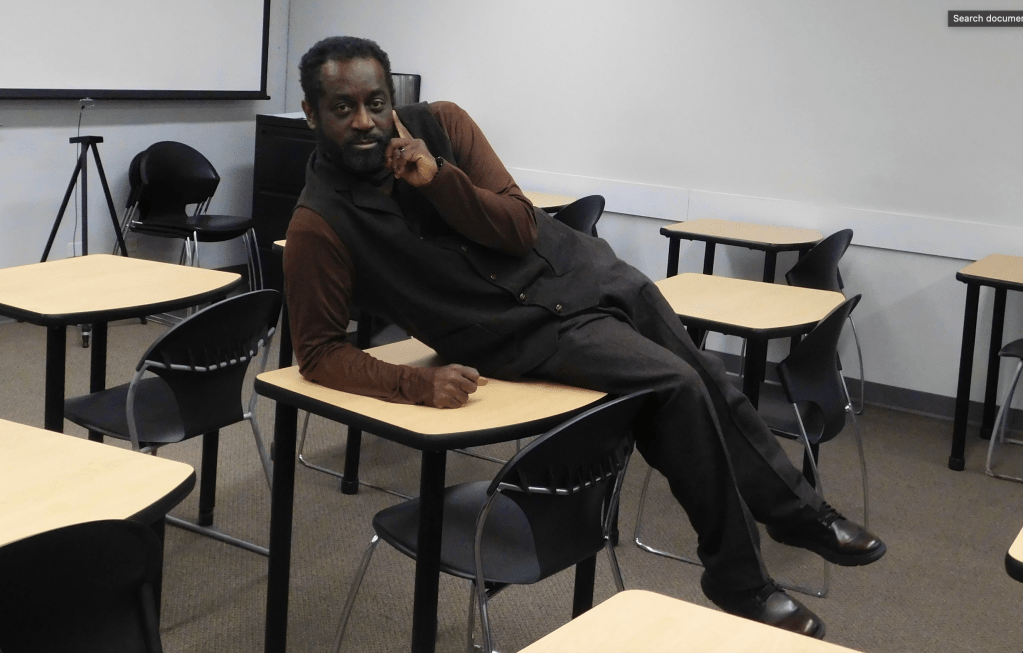
“There’s this perception by a lot of people that the current administration, right or wrong, has overstepped its bounds,” said Steven Pappageorge, Moraine Valley vice president of Workforce, Strategy and External Affairs. “But I will say, that’s not the first time that’s happened.”
“You should be allowed to disagree, that’s your constitutional right.”
Steven Pappageorge, MV vice president
Pappageorge is deeply interested in protest music. During Moraine Valley’s most recent staff development day, he hosted a session to discuss the history the genre. It’s ingrained into the history of the United States, and it dates back to an era that didn’t have a constant feed of news and opinion through social media.
“Back then, it was newspapers, and magazines,” Pappageorge explained. “There was no internet, so you were exposed to a lot of things through music and buying recordings, or singles.”
One of the earliest examples of protest music he discussed was the 1945 song, “This Land Is Your Land,” by Woody Guthrie. The tune is popular amongst countless elementary schools in the U.S., but there’s another verse of the song that’s often left out of the classroom.
It references a wall labeled “private property,” or in other words, a border. The purpose of the wall is to keep the narrator away from what’s on the other side, but just over the other side are rivers, sand dunes, endless skies and open land. The narrator crosses anyway, and the end of the verse repeats the same line that comes at the end of every other verse: “This land was made for you and me.”
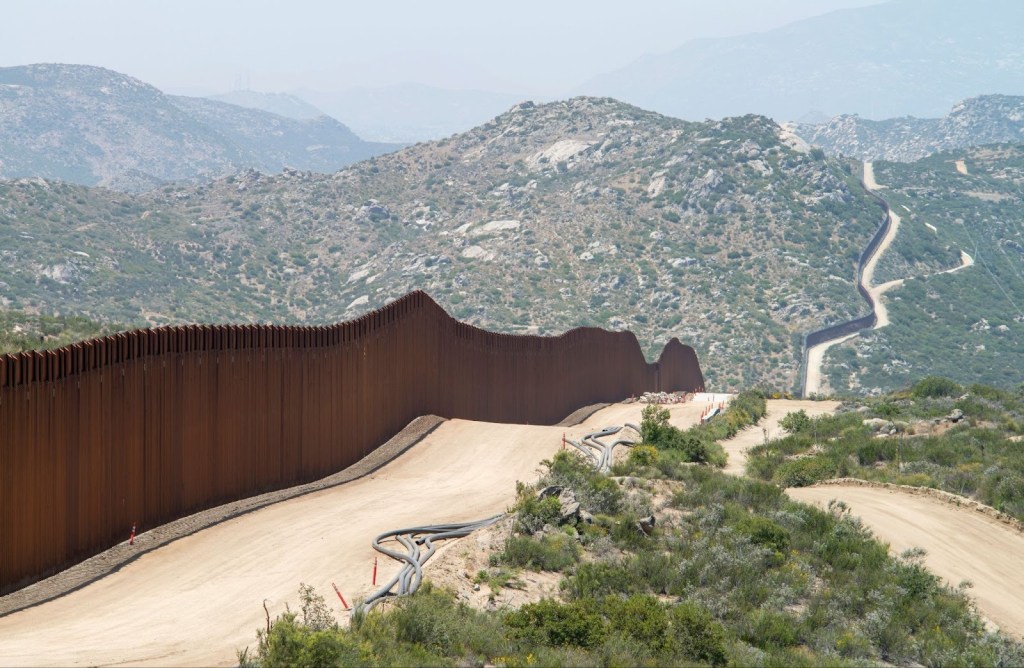
The message is left up to the listener’s interpretation, but comparisons can be drawn between the wall from the song and the Mexico-United States border wall. There are sections along the 400-mile steel wall that draw a line in the sand—where one side is mountains, seemingly endless skies, and desert land. And on the other side? More mountains, more endless skies, and more desert land.
“As Hispanics, we were here first,” said Alex Ledesma, the vocalist of the Addison hardcore band MANOANAMO. “Before the border was made, the natives were going up and down trading, and there was none of this, ‘You’re not from here.’”
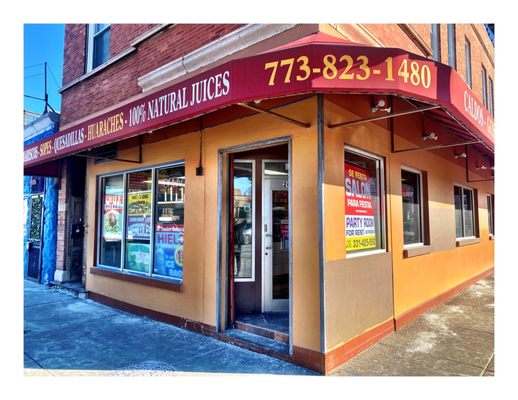
Statistically, the Little Village and Pilsen neighborhoods have the highest Hispanic/Latino demographic in Chicago. On their edge is Casa Cafe, a restaurant-turned-music venue that’s become a popular spot to host hardcore shows.
Business got slow for the family-owned restaurant as ICE raids targeted its neighborhood. It got to the point where the back room of the building had to be rented out to make ends meet, which caught the eye of a local patron, Pancho García.
García cofounded the Ruidosa Art Collective, a group that focuses on “promoting and curating multifaceted events embracing music art and education for the community,” according to their Instagram bio.
At the time, he was already booking DIY hardcore shows across the city, and the opening at his local mom-and-pop restaurant became the perfect place to host a show on Chicago’s Lower West Side.
“I was like, ‘I’m just gonna ask [the owners], can I have a show here?’’’ But I didn’t tell them what kind of show. I just told them it was live music,” García said.
The event brought in a huge crowd, and consequentially, a huge amount of money for the business that had been on the brink of failure. A mutual trust was formed between García and the owners, and the business is still hosting hardcore shows each week.
“In Chicago, as a Latino guy, you don’t really have a lot of places where you can really be yourself,” Ledesma of MANOAMANO said. “Once I found hardcore, I found my thing—my community.”
The Commissary was another popular venue amongst hardcore lovers in Chicago. In September, Si Dios Quiere, Augment, Exit Service, Majesty, MANOAMANO, and Crashout played a DIY festival called LATINO BLOOD: VOL 1.
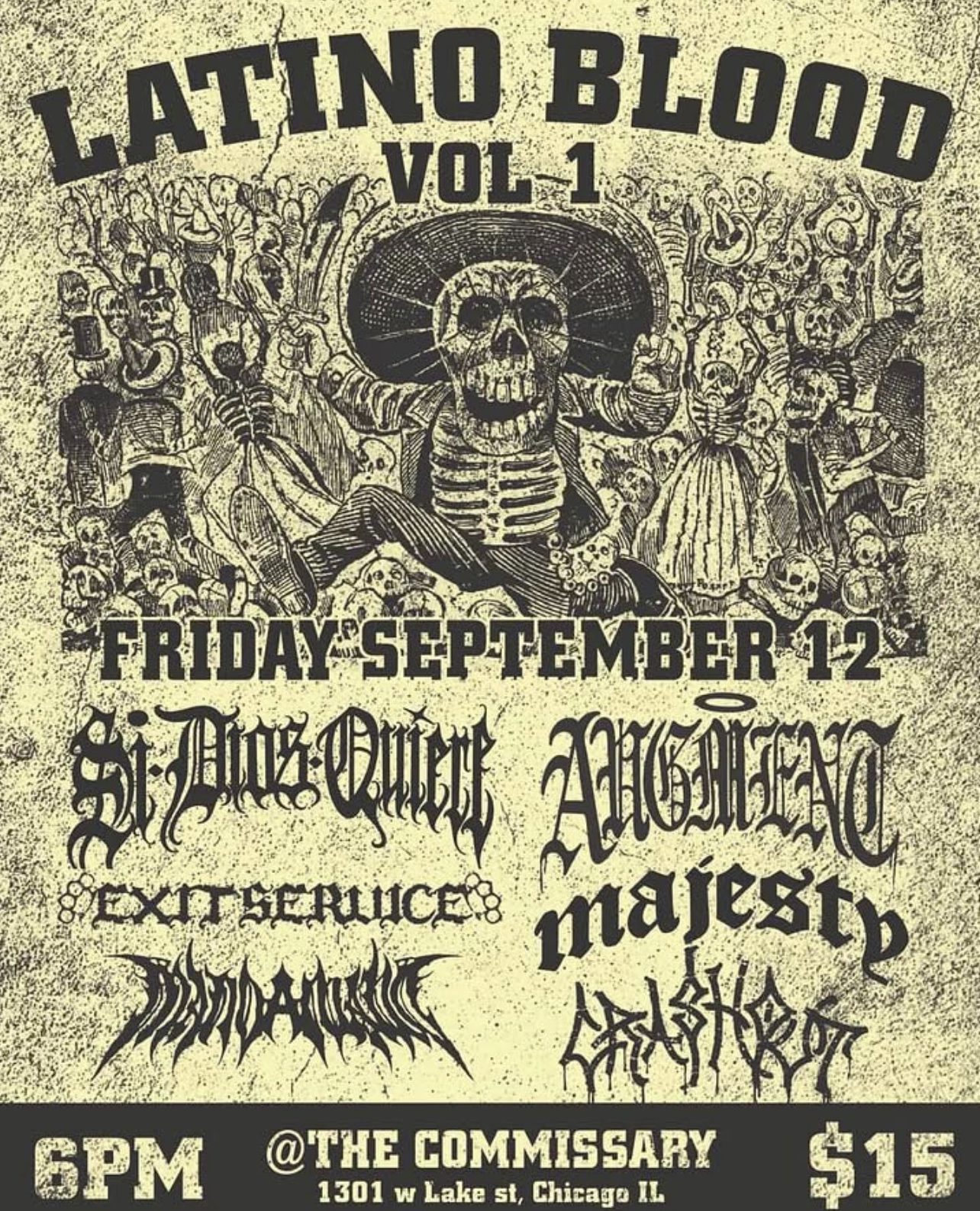
The event took place just after the ICE agents of Operation “Midway Blitz” infiltrated the city, but neither the bands nor the fans backed down. They used the show as a means to be vocal about what it means to be Latino in a country where the government wants to erase their message.
“Politics has always influenced us,” said Chris Guajardo, one of the guitarists in Si Dios Quiere. “It’s always influenced hardcore music to be honest, and so naturally it’s just something that we sing about or touch on.”
While the music can seem harsh or even violent at times to non-listeners, the people within the community are vastly welcoming.
On March 20, Casa Cafe hosted touring bands Mile End and Gasket, with support from local bands Invasive, MANOAMANO, and Augment. Between sets, new friends laughed and talked, old friends hugged as they reunited, people danced to cumbia, and groups shared a hot meal in the dining room.
As harsh as the music may seem, it’s softened by the community surrounding it.
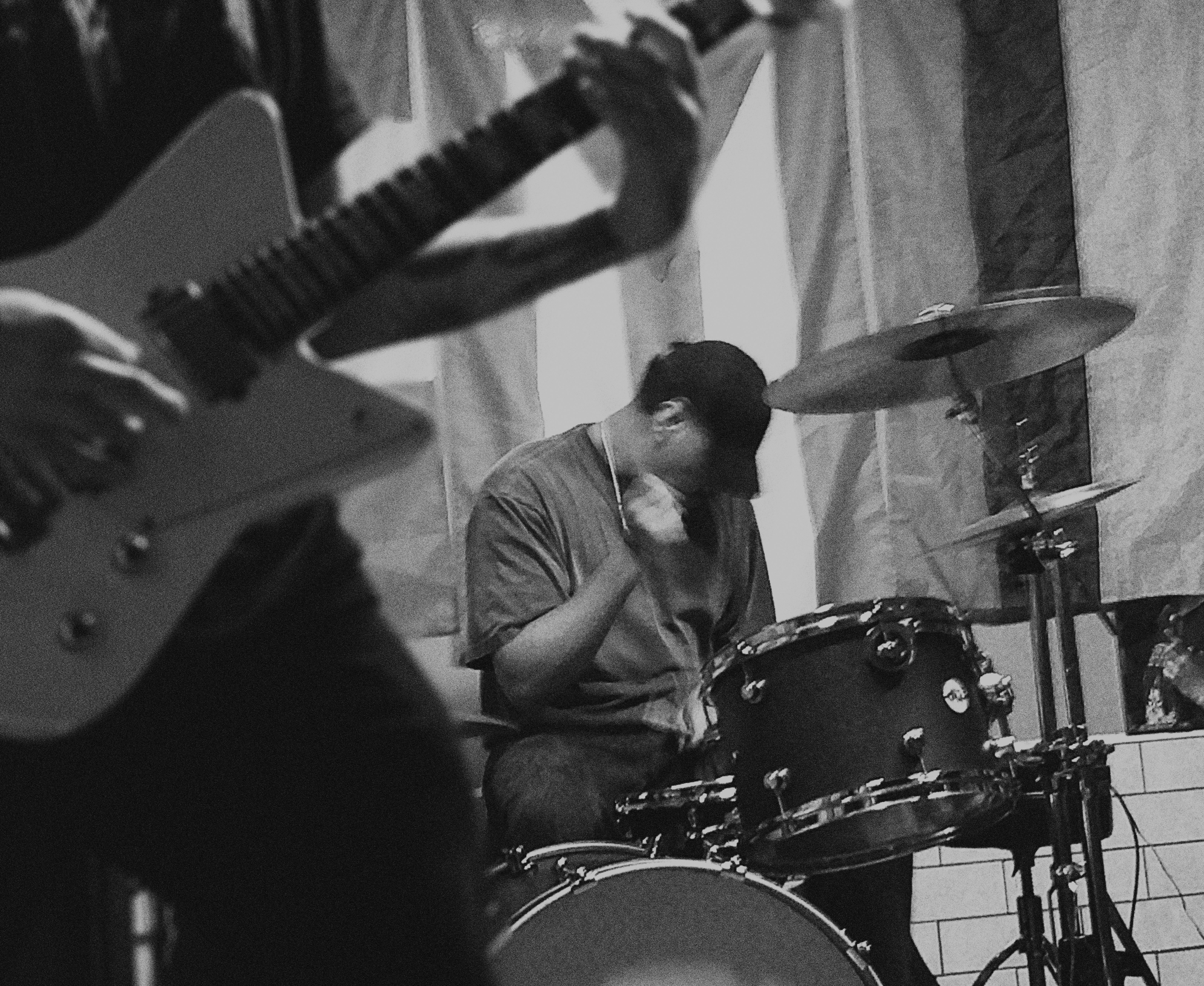
“It’s a really cool subculture and community to be a part of, and it’s always felt like that,” Guajardo of SDQ said. “I feel like it’s only impacted my life positively. It’s given me a community. It’s given me something to always fall back on, and I find a lot of comfort and support and inspiration in it.”
How can someone break into the hardcore scene and get involved? The answer amongst all the bands and patrons is unanimous: Just show up.
“Three to four years ago I didn’t know anyone here,” García said. “Just put yourself out there and don’t be scared. Listen to yourself, as cheesy as that sounds. Failure is only an option when you give up.”
Sunday marked the one-year anniversary of CHINGA LA MIGRA, a four-track EP released by the local band Augment. The title alone is political, translating to “F— Immigration services,” but each of the tracks is explicitly political individually.
The first 20 seconds of the opening song sets the tone of the record. It samples a quote from a 1973 anti-war speech presented by Bert Corona that rings out before any of the music starts.
Corona said, “The Chicanos say there’s a war in Southeast Asia, but there’s a war against me every day here in the Barrio.”
In 1973, Latino men were being disproportionately drafted to Vietnam to fight on behalf of the United States, on top of already being exploited by the U.S. working class system. At the time, 10 percent of the United States population was Latino, yet in Vietnam, they made up 20 percent of all casualties.
If they came back from Vietnam, they were greeted by outraged citizens. Latinos already faced negative views at the time for their brown skin, but it was only amplified by the controversy of the United States’ involvement in Vietnam.
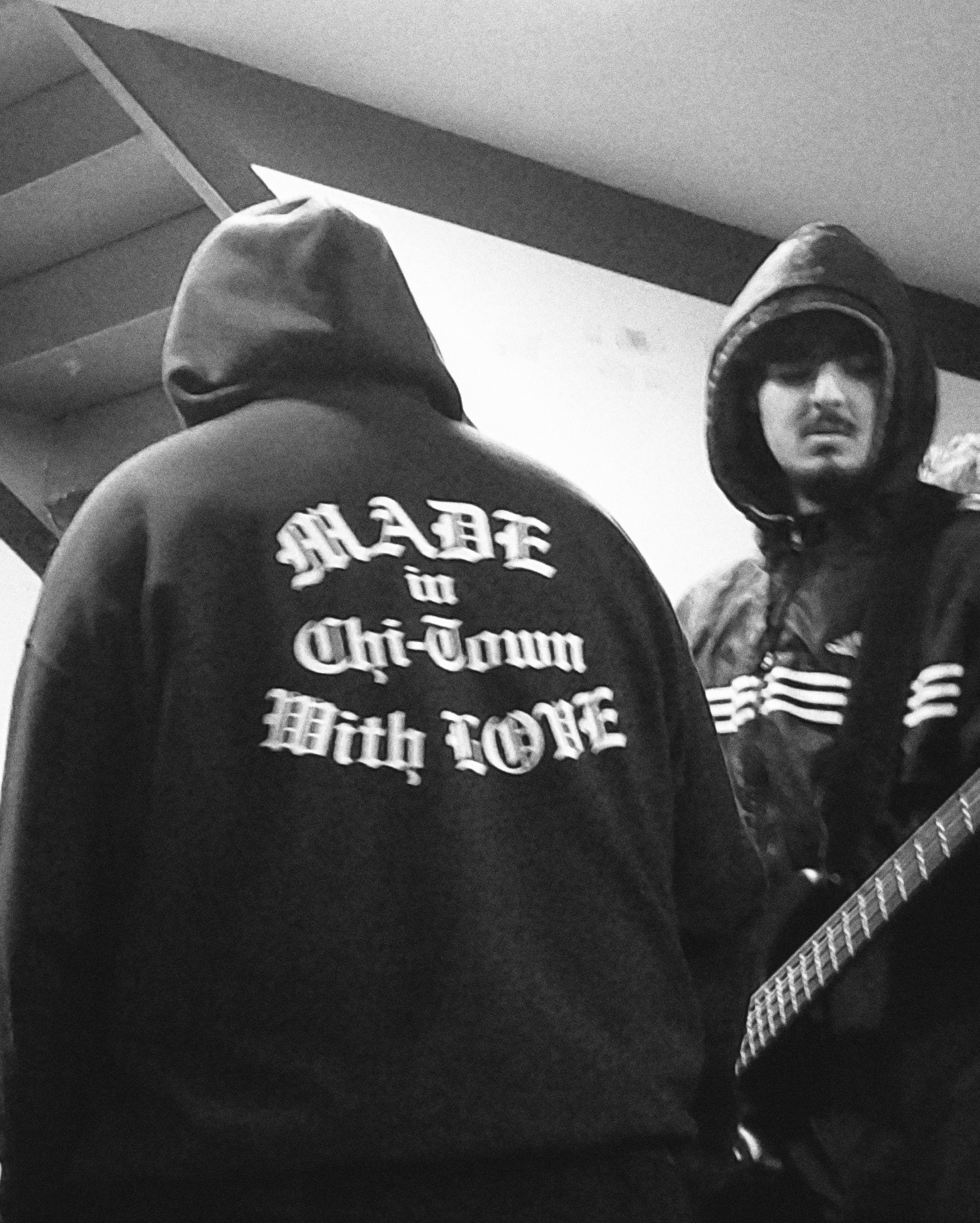
“Being Latinos—being Mexican Americans in the U.S. and in Chicago, it’s going to always find its way [to be political] whether it’s really direct or not,” Guajardo of SDQ said.
“Just existing is political these days as a brown person, so without a doubt our identities, our lives, and the politics around that has 100 percent influenced the band and the music that we make.”
Ledesma of MANOAMANO shared the same sentiment: “It’s not fair because people are people. Everyone came from somewhere else. We’re all immigrants.”
The music coming out of the Latino hardcore scene in Chicago tells stories, and it keeps Latino history in the conversation. It becomes a reminder to the community of their strength as a people, and of their duty to protect themselves and each other. It calls for a change in the way that Latinos are treated, not only by those who don’t understand them, but by the current administration that targets them for their differences.
“People expect the government to be held accountable,” Pappageorge said. “And I think when you look at protest songs, they’re done because there’s the thought that they are not being held accountable, and people are trying to find an avenue to hold them accountable.
“You should be allowed to disagree, that’s your constitutional right.”

 Velocity
Leave a comment