
A simple thank you carried the weight of weeks of worry and uncertainty.
“She was so relieved she could help out her family with groceries since she could only work so much,” said peer educator Fatimah Ali, 19, recalling a student she helped through Moraine Valley’s food pantry.
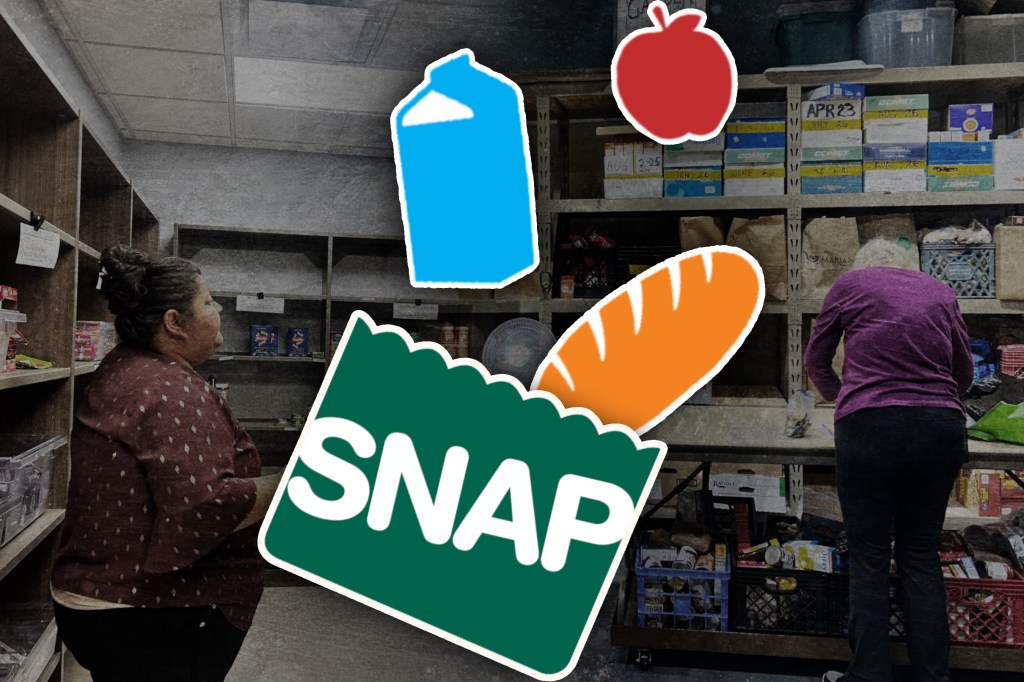
With the U.S. government shut down, many families stopped receiving food assistance benefits through SNAP on Nov. 1 , which has put a strain on area food pantries, including the one run through Moraine Valley’s Project Care program.
For some families, breakfast is not an option as they are forced to choose between paying the gas bill or buying cereal. Parents juggling multiple jobs watch the clock and calendar, knowing the fridge might be empty before the month ends. Students, who often are caretakers, calculate classwork and do the quiet math of survival, checking cabinets for what could last.
“I wish more people understood that food insecurity isn’t about laziness or choice. Many students and families that rely on SNAP are working as much as they can, but the cost of living makes it impossible to cover everything.”
Fatimah Ali, peer educator who helps with the food pantry
The suspension of funding for SNAP–the Supplemental Nutrition Assistance Program– has only exacerbated the existing problem of food insecurity for many students.
Over the past year, Moraine Valley’s food pantry has seen a 189 percent increase in students requesting access, and the number of visits by these students is nearly triple what it was in November 2024.
“We love coming here and are grateful we can turn to this when it’s getting rough nowadays,” a student wrote. “Thank you to all the sweet and generous people running this program. I am forever grateful for all of you.”
Another student wrote, “I appreciate this food pantry because I wouldn’t be able to have lunch for school or cereal for my brother to eat.”
SNAP aids more than 42 million people every year, about 1 in 8 Americans. In Chicago alone, SNAP aided 600,000 Chicago residents, almost a quarter of the city’s population.
Funding for SNAP technically expired Oct. 1. With no budget in place, the USDA warned states that November payments might not come at all. Illinois braced for the impact as Governor JB Pritzker put out a $20 million emergency pledge to keep food banks afloat as the cutoff of $350 million that was usually delivered to citizens loomed.
As November rolled around, the warning became reality. Full benefits didn’t show up to the nearly 2 million Illinois residents that relied on the monthly benefits. Even though partial and staggered payments were approved a week later, the gap still had families scrambling.
“They’re all scared,” longtime pantry volunteer and president of the board at Pilgrim Faith Food Pantry Mary Connaghan said. “They can go on maybe a little bit without SNAP, but month after month, they can’t go on. I mean, what would happen if you just stopped getting a check?”
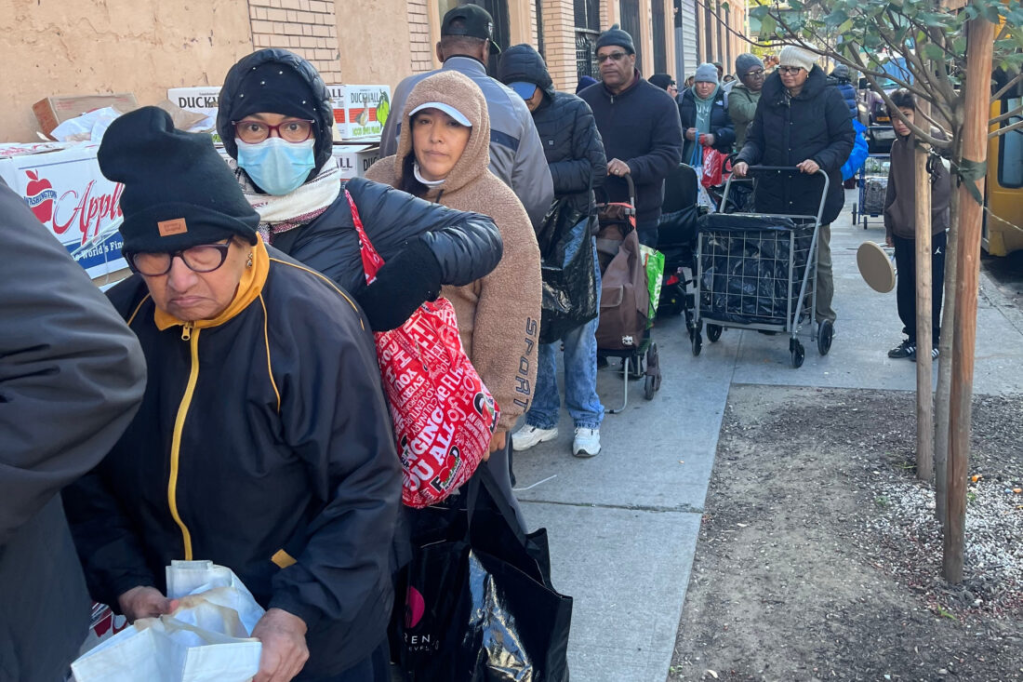
Food pantries across the area noticed the spike at the start of the month.
“We’ve gone from, on average, maybe 140, 150 bags a month…In the first week of November, we went through 100,” Connaghan said. Pantries have become a frontline in a crisis that hits home in ways no paycheck can fully absorb.
At Moraine Valley, the impact was just as visible. Director of counseling Jessica Contreras, who oversees the college’s pantry, saw that demand hit the students.
“Since the start of November, we’ve seen an increase in students completing that intakes coming in,” said Contreras. “What I’ve seen too is frequency increase. We have students that sometimes access the pantry just once, students that maybe I saw once a month, every other week, now coming in much more frequently.”
Connaghan saw the impact not just to the pantry, but to the people as well. “There was a woman in just last week and she had six children and she says she was really struggling with not having the SNAP benefits. She said her gas bill was due and she had to pay the gas bill because what good did food do her if she couldn’t cook it?
“They had to do without the food so they could pay their gas bill.”

Contreras also says that the heavy lifting Moraine’s pantry has been seeing is not keeping items stocked enough, causing them to have to stretch their inventory to the end of the week.
Even on Fridays, usually the quietest, she saw the strain: “Last Friday, I took a gander, and I was like, man, we’re really looking bare more than usual. Then by that afternoon, it was student after student after student. At the end of the day, it was like it never stopped.”
Contreras emphasized that the pantry provides more than just groceries; it fosters social interaction.
“Our students also experience isolation, loneliness. Students have been or are still dealing with the impacts of the pandemic and kind of how they socialize or connect with others. So, indirectly, I find the food pantry to also be a source of connection and building that social support that they’re not alone.”
Peer educators like Ali play a key role in making students feel connected and comfortable. They often linger after helping, chatting with students they recognize around campus and checking in.
“I wish more people understood that food insecurity isn’t about laziness or choice,” Ali said. “Many students and families that rely on SNAP are working as much as they can, but the cost of living makes it impossible to cover everything. Some people are only one paycheck away from choosing between rent or groceries.”
Although full payments to SNAP recipients were expected to be returned by Thursday, the pause has already deepened food insecurity surging across communities. Your neighbor across the street could be scrambling to make ends meet, choosing paying her child’s tuition over a plate at the dinner table.
Pilgrim Faith Food Pantry on 51st Avenue in Oak Lawn accepts food and financial donations. Although Connaghan said that the biggest support right now would be for “the government to get it together,” the pantry is most in need of one-can meals, canned soups, and pasta sauce.
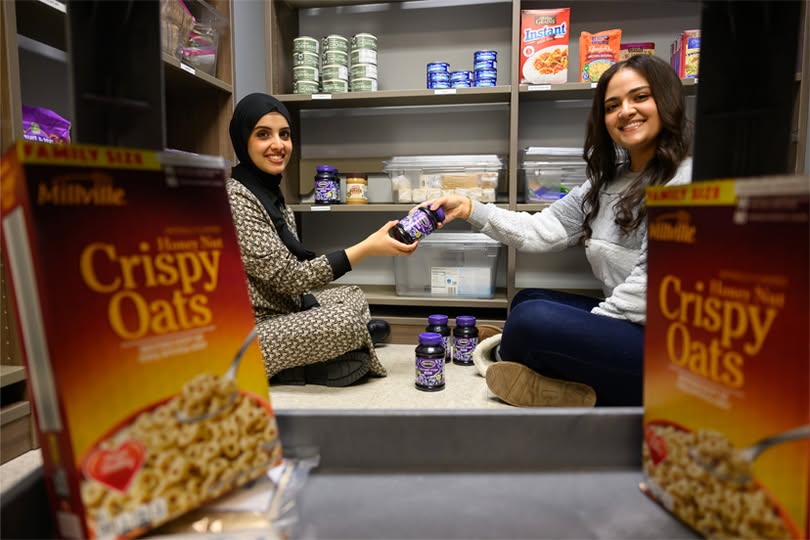
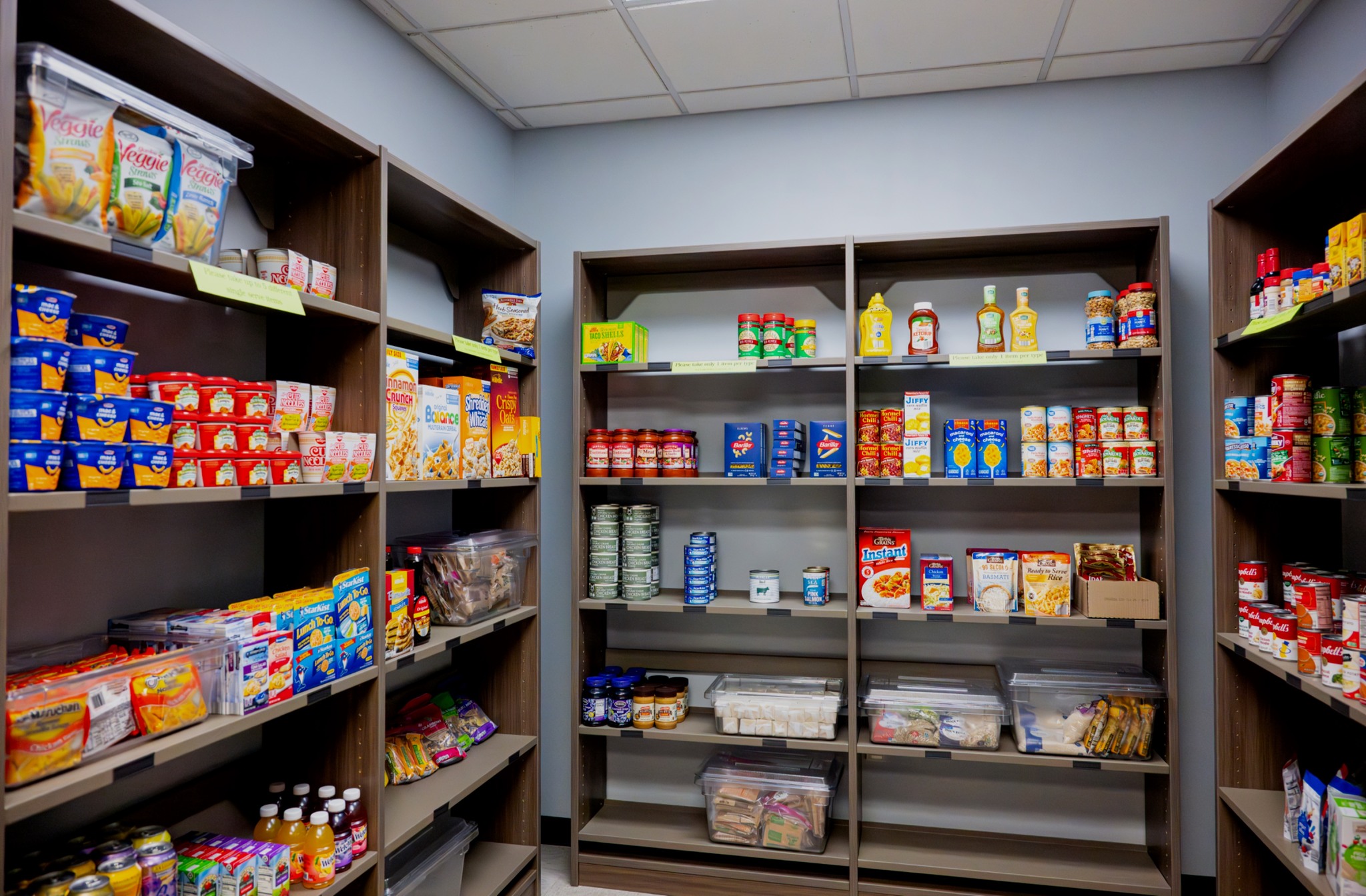
MVCC’s successful Feed the Need Food Drive in 2024, with help of their peer educators. Source: Moraine Valley Community College Facebook 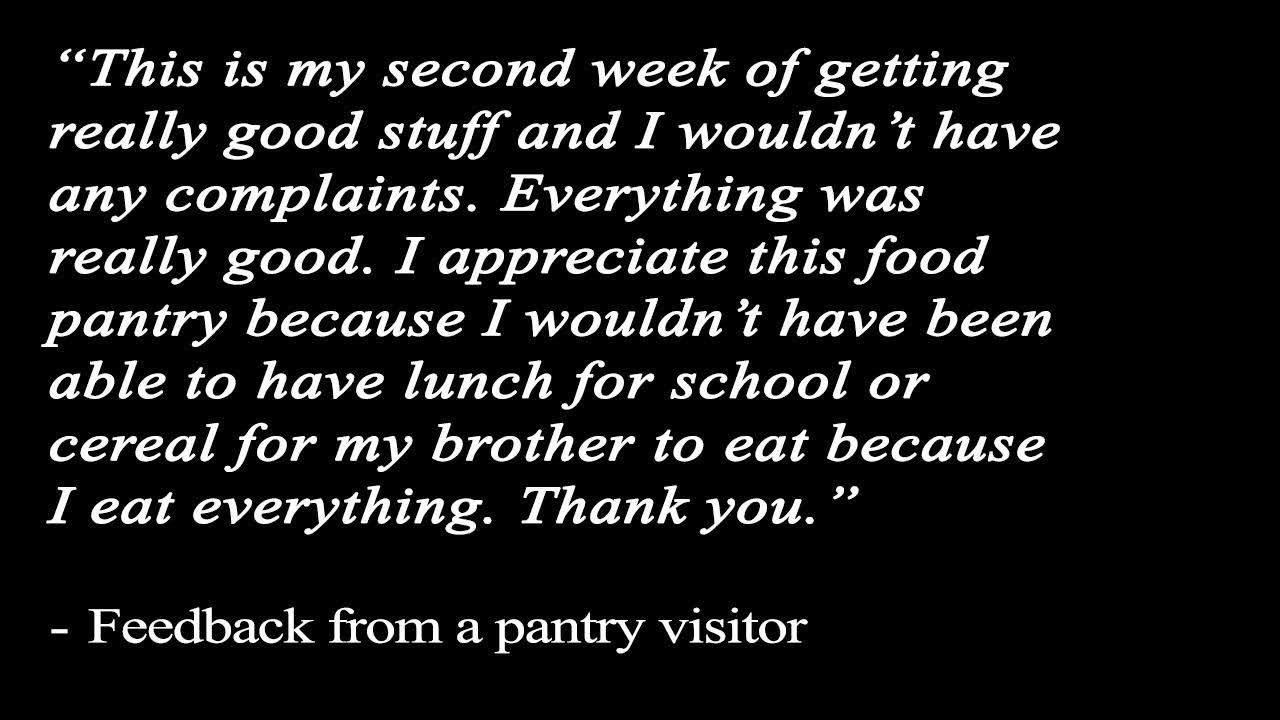
“Help fight hunger on campus! Donate to the Feed the Need Food Drive now through Dec. 1. Drop-off locations can be found throughout campus. All donations collected will support Moraine Valley’s Project Care Food Pantry. 💚” Source: Moraine Valley Community College Facebook 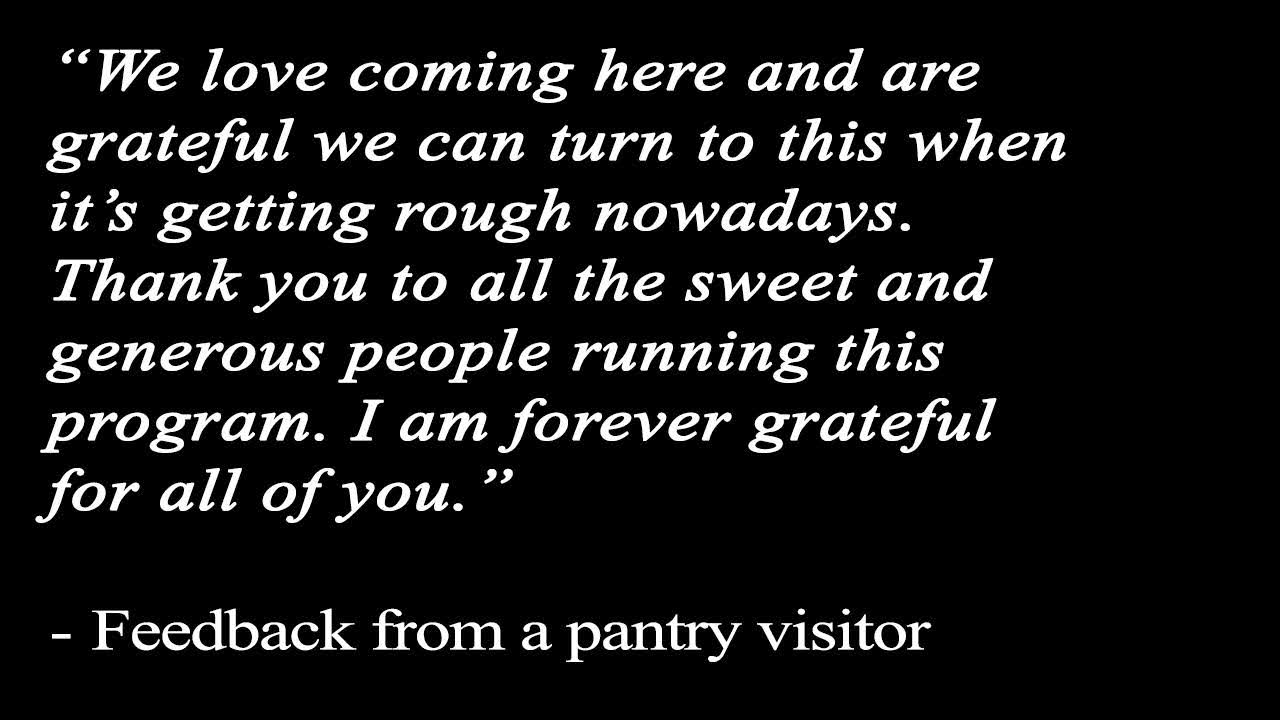
Source: Jessica Contreras 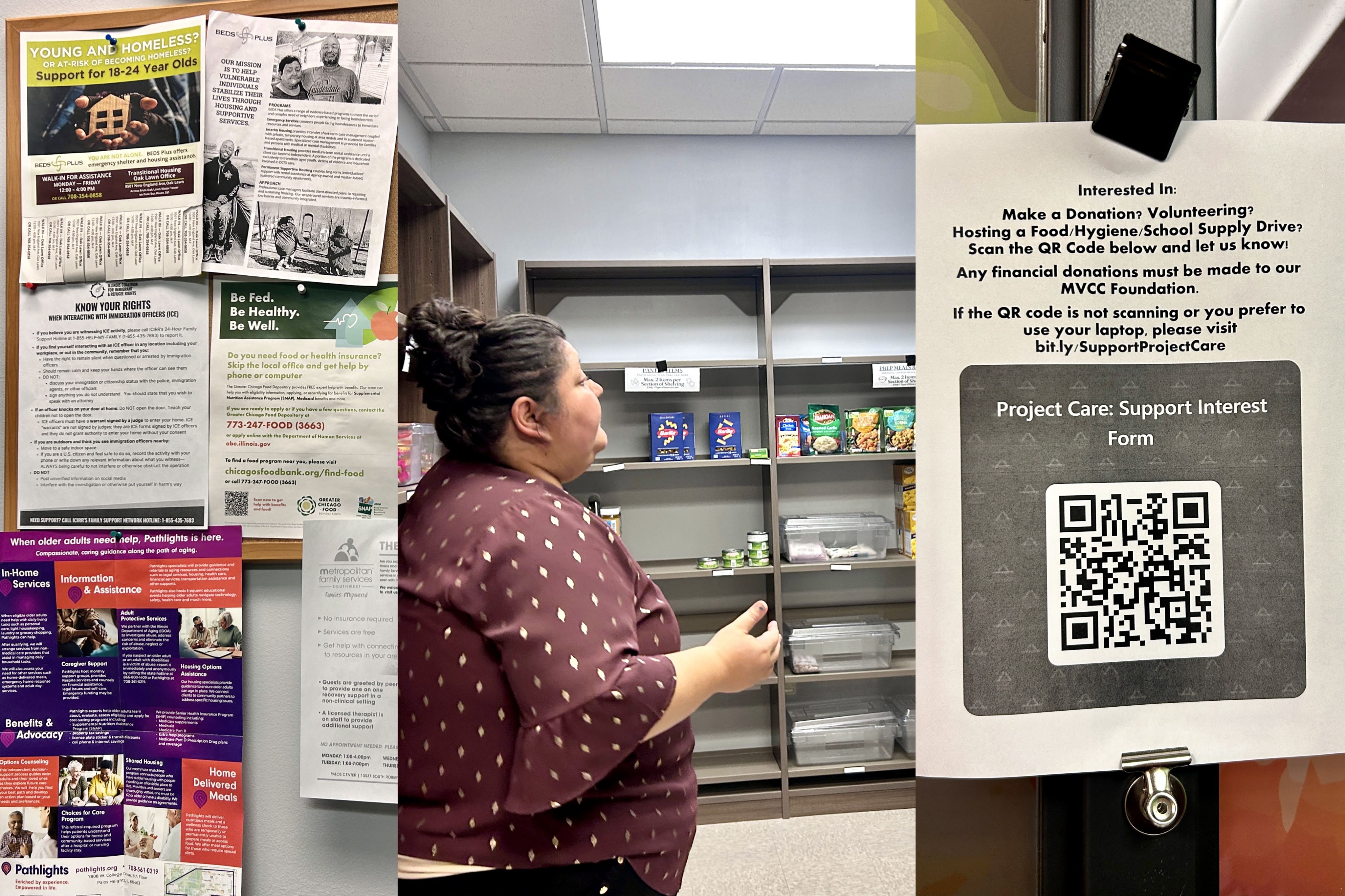

Source: Jessica Contreras
Moraine Valley’s Project Care provides more than just staple food, it provides frozen food, hygiene products, shirts, school utensils and more. The intake form also asks how students get to school, as Project Care tries to aid with bus passes.
“Whether it’s helping pay a bill, helping them with transportation issues or assisting with even a 30-day bus pass, if that immediate support provides an opportunity for that student to overcome that hurdle, to continue being enrolled and continue with their education, that is really the intention of it,” Contreras said.
From Moraine Valley to Chicago’s suburbs, community members stepped up to ensure families have food on the table, even in the most uncertain weeks.
In a month defined by scarcity, what held people up wasn’t policy. It was people.
Feeling the Thanksgiving spirit and want to help?
Moraine Valley’s Feed the Need Food Drive runs until Dec.1. Donations are helping replenish the Project Care pantry to keep up with its increased visits this November.
Drop-off boxes can be found in Buildings B, D, C, F, M, S, and U.
Most needed hygiene items:
- Shampoo & conditioner
- Mini detergents & laundry itmes
- Feminine products
- Toothbrush, toothpaste, floss, etc.
- Hats, glove, socks
Most needed food items:
- Pantry staples (flour, sugar, salt, spices, cooking oil)
- Pasta & pasta sauce
- Single-serve meals & items (ramen, tuna, crackers, etc.)
- Condiments (Ketchup, soy, hot sauce, dressings, etc.)
- Canned fruits (variety)



 Velocity
Leave a comment