

Something magical is happening at The Legacy Ranch in Lockport. Horses are healing people through the power of their big hearts. Literally.
“We’ve seen children who are nonverbal speak for the first time in the saddle,” founder Sandi Moleski says. “We’ve seen people that can’t walk be able to walk independently after being on the horse. We’ve seen children with degenerative diseases who were told that they are just going to get worse, and have seen them get stronger.”
Established in 2017, The Legacy Ranch provides Equine-Assisted Therapy. But how does it work? A horse can’t talk to you. How can it help?
“It’s sort of strange to think about it,” Moleski said. “When our hearts beat, they put out this electromagnetic field around us.” And because horses are naturally on high alert they will pick up to how we’re feeling. That’s simply because “a horse’s heart is so much bigger, so the electromagnetic field from their heart is larger than ours.
“If they feel somebody anxious, who is struggling with something, they can calm them,” Moleski explains. The horses will slow down their own heartbeats, which then helps bring the person’s heartbeat into rhythm with theirs.
“People that know horses know this, and they can’t always explain why,” Moleski said.
The Legacy Ranch was born of tragedy. Moleski grew up on her father’s horse farm in Missouri. In 2015, she suffered the loss of her father to cancer. Four months later, her best friend, Anne Swaney, was murdered on a horseback riding trip in Belize.
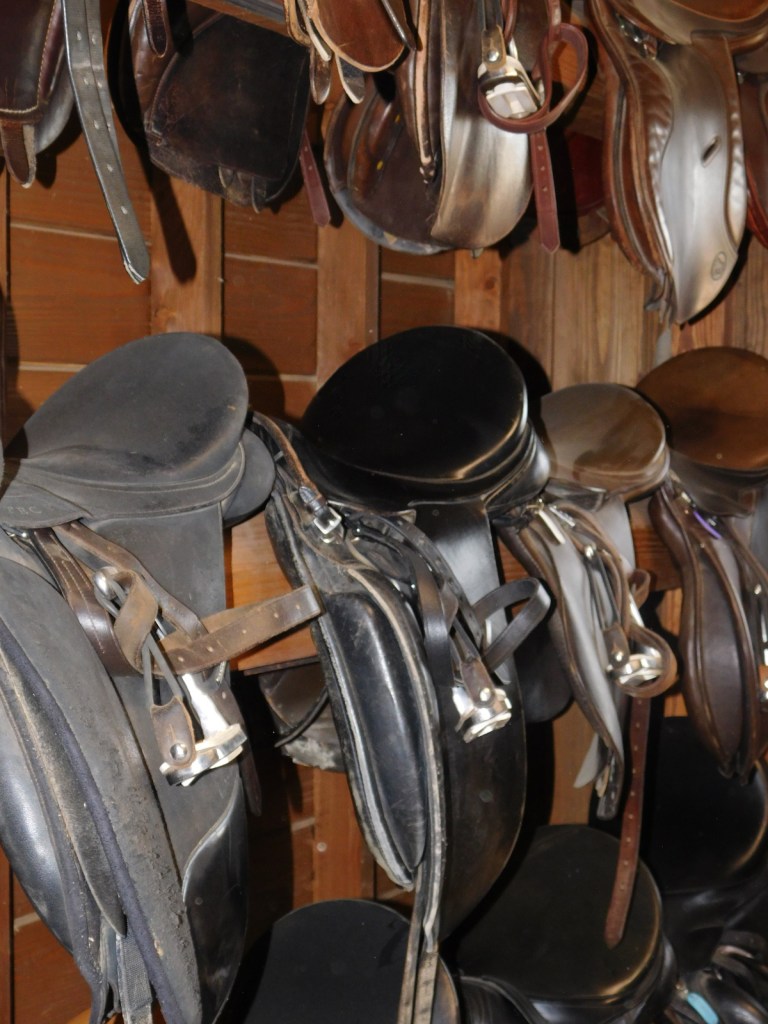
“You are my legacy. You are what I leave to this world, to make it a better place.” This is what Moleski’s father always used to say to her and her brother.
And she took those words to heart after Anne’s death. Moleski recalled Anne always telling her, “In retirement, I want to donate my time to an equine therapy facility.”
With grief heavy on her heart, Moleski wanted to fulfill Anne’s dream. She and another friend of Anne’s started by setting up a foundation in Anne’s name, with the plan of donating the earnings to an equine facility. They wanted to get a plaque with her name in an arena.
Those plans shifted when Moleski worried it wouldn’t be right to donate the money to a facility she didn’t feel would value it.
Moleski took the risk of opening her own facility so she could ensure Anne’s legacy would remain alive. After 18 months of searching for land, she finally found a listing. However, there was a small problem. She wasn’t the only one interested.
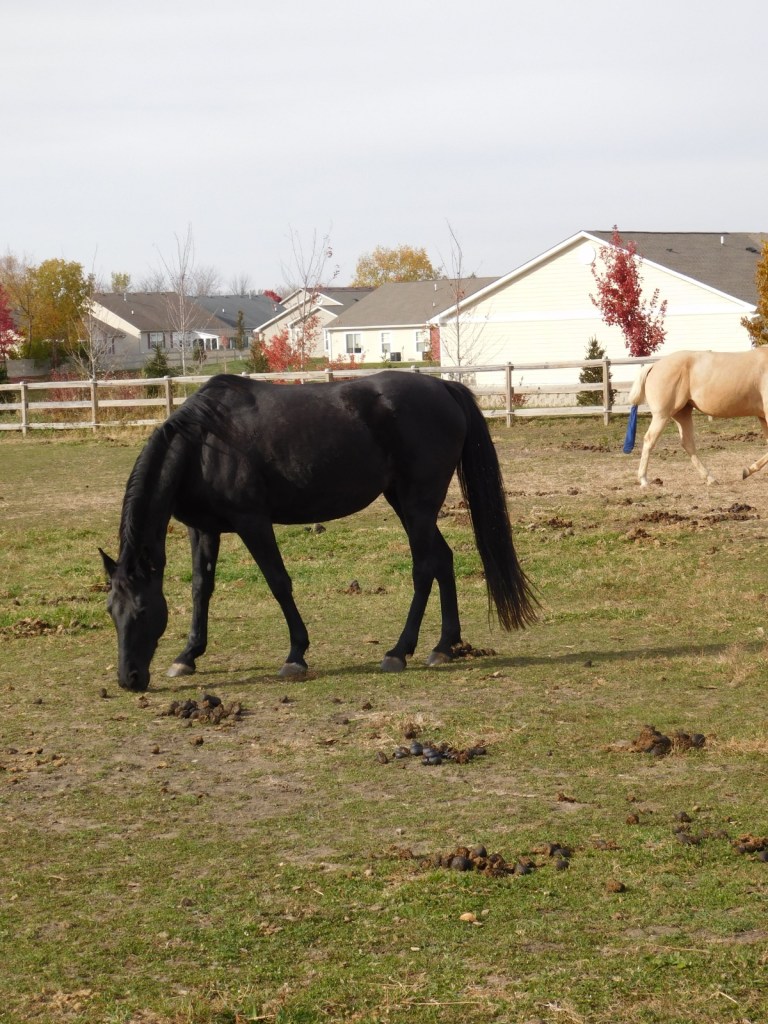
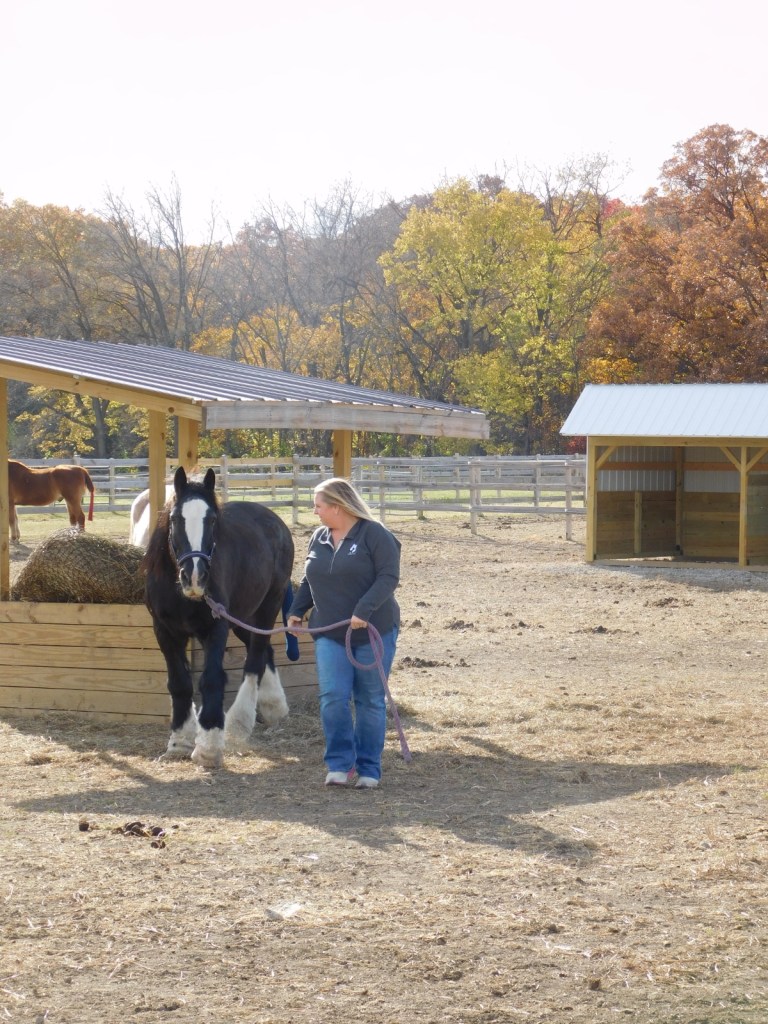
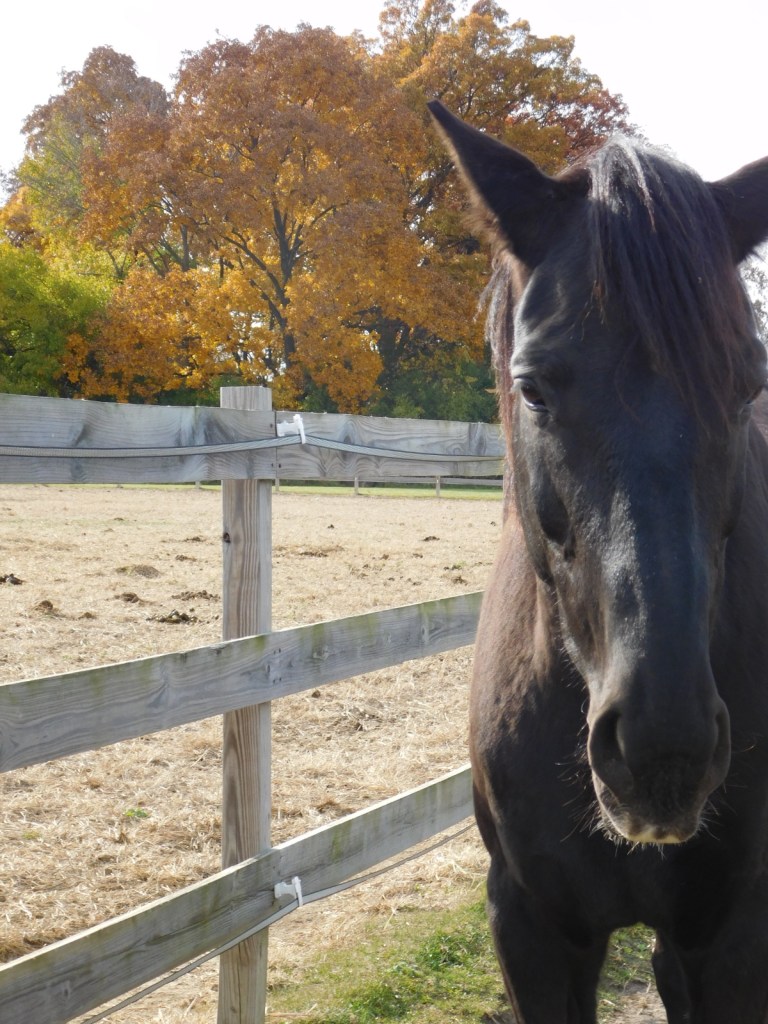
The day it was listed, the owners were already getting cash offers from developers. Moleski’s realtor talked to the owners and explained what the land would be used for. The owners ended up loving the idea and went through with the sale.
The ranch started out with 10 acres, and it wasn’t a luxurious land by any means. The two barns were falling apart, Moleski said.
“All we had that was a sturdy building was the garage,” she said. “We had a desk in the front from the Salvation Army that I bought, and some whiteboards on the walls. We had built four temporary horse stalls, as well as having a singular round pen outside and a porta-potty.”
After opening their doors as a 501(c)3 nonprofit organization, they soon ran out of space.
“We were providing mental health therapy, occupational therapy, physical therapy and therapeutic riding,” Moleski said.
In 2020, during the pandemic, they constructed another building, which is used for individual therapy. They also added more stables, because more customers means more horses. Currently, they have 16 horses.
In 2023, they expanded to 20 acres, and they are hoping to make a horse trail with the surrounding forest preserve.
The Legacy Ranch partners with licensed therapists, and a majority of their staff members are path-certified therapeutic riding instructors.
However, the ranch doesn’t function without volunteer help, welcoming about 100-150 volunteers each year.
To get started with therapy, individuals will get an assessment to see where they are and what their goals are. A doctor will then clear the rider.
The ranch serves individuals who are on the autism spectrum, quadriplegics and people who are non verbal.
“We have never turned anyone away,” Moleski said.
“You are my legacy, you are what I leave to this world, to make it a better place.” This is what Moleski’s father always used to say to her and her brother. And she took those words to heart after Anne’s death.
The ranch also offers services to veterans who struggle with PTSD or those who are making the transition from service to civilian life.
“Our goal with the veterans is to make sure they feel comfortable,” says Moleski, “and that it doesn’t feel like heavy therapy. Veterans are oftentimes over-therapized, and they feel a little shy about adding additional therapies, but coming to work with the horses and just being with the horses and experiencing that helps them open up.”
These encounters help patients build a bond with their animal. Creating that bond creates a smoother transition for veterans, ensuring they are not feeling overwhelmed with the sudden change in their lifestyles.
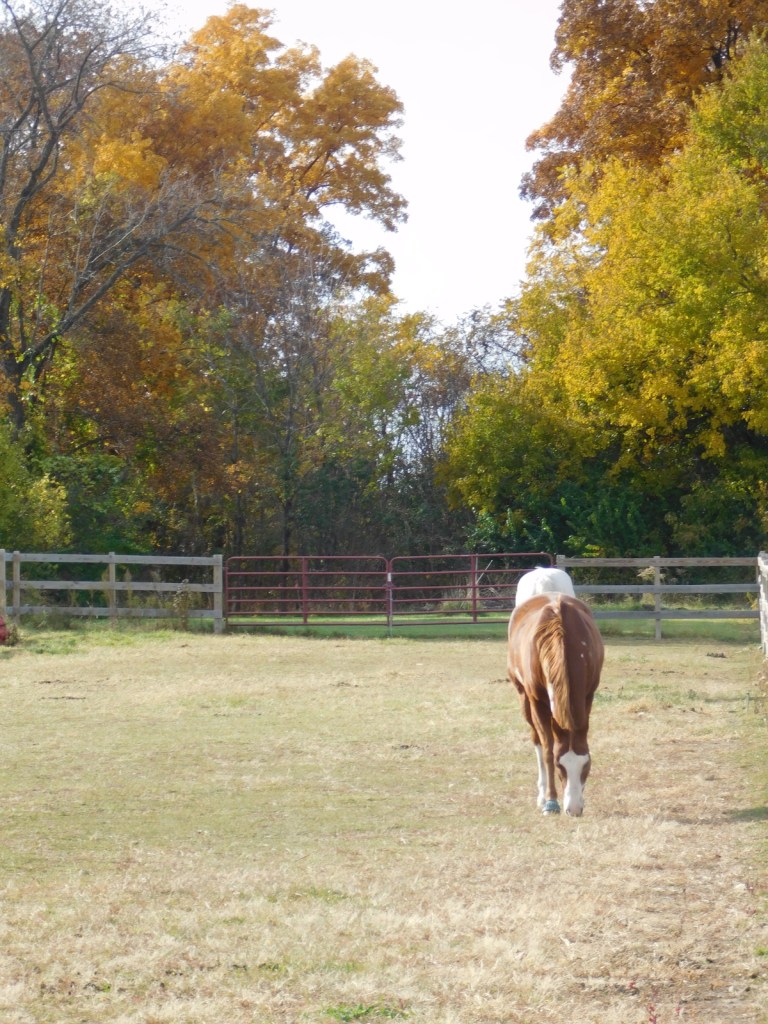
“Our goal is to meet them where they are,” says Moleski.
Trust is a big part of the equation. When people learn to truly trust a horse, they are able to open up and begin their healing journey.
Although equestrian therapy sessions are not covered by insurance, The Legacy Ranch offers scholarship opportunities. Donations allow the ranch to keep its doors open and see growth in each rider who steps foot into its arena.
Moleski thinks about the very first rider the ranch served, who is still with Legacy today, and how her confidence has grown.
“We truly see miracles.”
That kind of progress is the legacy she hopes to leave in the world.

 Velocity
Leave a comment