
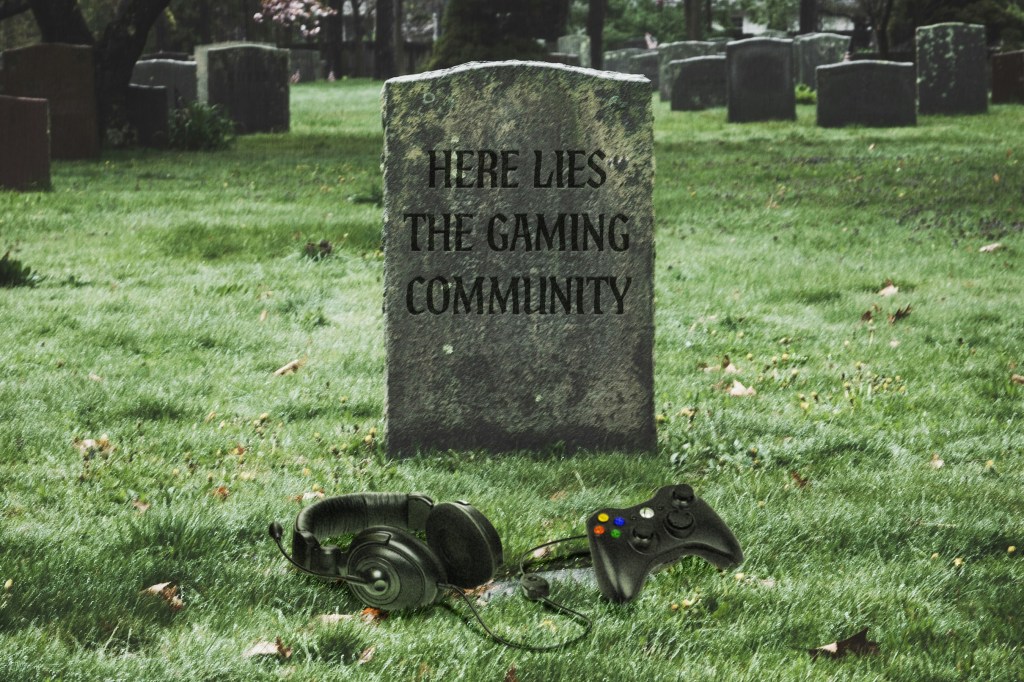
You can’t interact with video games anymore. Or at least not the way you used to. The current gaming landscape is riddled with grifters, streamers trying to overhaul games to fit their needs, and virtually all companies attempting to emulate the success of Fortnite.
What used to be one of the premier outlets for creative expression, video games are now plagued by those who prioritize profit over all else. One of the biggest problems in the gaming landscape is grifters.

These grifters monetize outrage and misinformation cloaked as critique, commonly through “the war on woke.” Individuals such as YouTuber Synthetic Man, popular Twitter user Grummz and streamer Asmongold demonize inclusive content in an effort to stoke controversy and profit.
Synthetic Man and Asmongold specifically have built careers off the backs of framing diversity as nothing more than a marketing ploy. They dismiss games with any racially diverse or LGBTQ+ characters. They treat an inclusive addition to games as a hollow attempt at appeasement.
They charge their fanbases with hate, leading to personal attacks and even death threats to those involved with these games. When proven wrong, they seldom reflect or take accountability; they instead just shift the goal post further.
By turning any company’s attempt at representation into fuel for the anti-LGBTQ+ fire, grifters are ripping apart the community for their own profit.
If companies move past this purely profit-driven mindset, and we as a community move away from the era of streamers and grifters, we can see the return of the gaming community we once knew.
However, these grifting pariahs are not the only problems ravaging the community. The blame also goes to streamer culture in general.
Multiplayer games are not made with the average player in mind. Instead, mechanics in game strategies and even patch cycles now revolve around what’s watchable, not what’s playable. Games are starting to build towards spectacle instead of substance. Streamers will showcase specific gameplay styles or exploits that warp the current meta of how the game is played.
The casual player struggles to keep up and enjoy the game on their own terms. If they are not mimicking the streamer-approved method, then to the rest of the gaming community, they’re doing it wrong. Streamer-driven design turns games into content pipelines. It sidelines creativity, alienates non-competitive players and fractures communities.
However, problems with gaming culture go even deeper. Gaming developers themselves have unanimously adopted the same design strategy: the most profitable formula in gaming history, the Fortnitification of video games.
With the release of Fortnite, the gaming industry was turned on its head. Fortnite didn’t just popularize current staples of the industry like battle passes, cosmetic sales and collaborations. It redefined what qualifies as a successful game. Games are no longer made to be passion projects and works of art; instead, more and more games are being released trying to be the next Fortnite. Games are now designed to release unfinished and drip-feed players over time with the rest of the finished content. Genuine passion projects are shelved for rushed slop that only serve to make profit. Battle pass systems seep into titles they have no business in. Games are being built to trend, not to last.
Even single player games like Suicide Squad: Kill the Justice League adopt live service models–also known as Fortnite models.
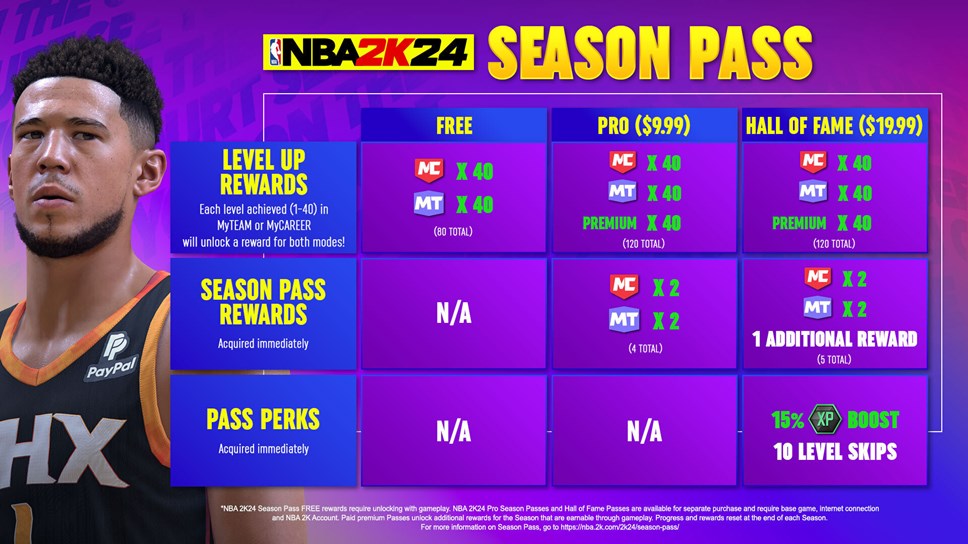
This era where profit reigns supreme is perfectly exemplified in some of gaming’s biggest titles, like the NBA2K and Madden sports games. NBA2K once offered a genuine basketball simulation. Flash to today, and it’s pay-to-win slop wrapped in Fortnite aesthetics and loosely tied with a basketball bow.
NBA2K 25’s MyCareer mode, which used to be the premier mode for skill expression, is now devoid of any life. You can, and are encouraged to, simply buy your way to the top from day one.
The game’s hub world is designed more like a shopping mall than anything reminiscent of basketball. Branded stores, seasonal cosmetics and battle pass mechanics dominate the experience.
But hope is not lost for gaming culture as a whole. If companies move past this purely profit-driven mindset, and we as a community move away from the era of streamers and grifters, then we can see the return of the gaming community we once knew.
Indie titles like Celeste, Hollow Knight, Outer Wilds and Hades prove that games can still be personal and authentic. Even within the triple-A industry, there are companies like From Software. These games are the antithesis of Fortnitification: no cosmetics shop, no seasonal grind, no algorithmic design. Just you, the world and the will to endure.
Gaming culture is in a rough spot. But if we want to dig out of that hole, we must start digging.
Don’t give in to the allure of microtransactions or the ragebait of grifters. We were once a community of creatives, and we can be that again.

 Velocity
Leave a comment