
By Theo corrie, JRN 111 STUDENT
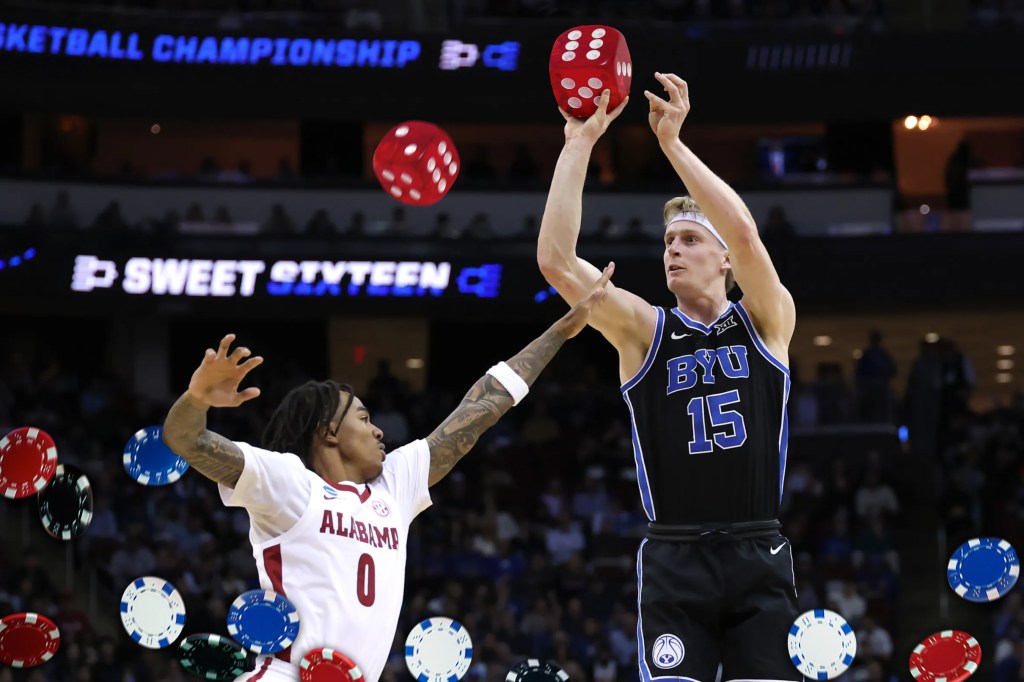
In 2025, sports fans don’t just watch the game, they watch the odds. One of the first things you see while watching a college or professional sporting event is about gambling. Whether it’s an ad for a sportsbook or a broadcaster giving picks, the sports industry is focused on speculation and odds.
Gambling has started to take over the sports world. Whether it’s baseball, football or college sports, the push for gambling has shifted not only the viewing experience but also the way the very games are being structured. From professional leagues fighting gambling scandals all the way down to the NCAA passing a rule that increases the amount of gambling athletes are permitted, one thing is clear: Gambling has embedded itself into every crevice of the sports landscape.
A study from Siena shows that 22 percent of all Americans have a betting account, while half of males aged 18-49 are partaking in sports betting.
On Oct. 22, the NCAA announced it was allowing college athletes to bet on professional sports. This decision comes at a time when athletes are getting arrested for throwing games and shaving points. Gambling, a pastime once considered a threat to integrity, is now being normalized, even as concerns about addiction and credibility grow.
Greg Couch, a former sports columnist who wrote a lot about gambling, recalls when the NCAA was going after newspapers for posting lines.
“When I was a journalist for the Chicago Sun Times, they were threatening newspapers that if they ran the betting lines, you weren’t able to get a credential to cover the games like the NCAA tournament,” he said.
Another thing he’s noticed is how every league, not just institutions like the NCAA, have been warming up to gambling. Couch argues that the leagues’ hypocrisy is evident in their willingness to flip on their beliefs once they realized the potential financial gain.
“I’m not trying to take a moral stance here,” he said. “I’m just saying that these people all took a moral stance against gambling, and then, when it became too lucrative for them, they couldn’t fight them.”
The problem with sports betting reaches beyond the player and beyond the fans even. It seeps beyond the field into the realm of addiction.
Moraine Valley basketball coach Kyle Huppe also has issues with the NCAA changing its mind on betting.
“I don’t love it because, especially at the Division I level, a lot of those guys are going to know personally some of the guys playing professionally,” he said. “All kinds of things can happen with that inside information that some guy is going to have heard, and that’s going to end up swaying the outcome of the game or the spread.
“Guys in college shouldn’t be gambling. Period.”
A Pew Research Center poll shows that 43 percent of Americans think gambling is bad for society. Another 40 percent think that legal gambling is bad for sports as a whole.
Some pushback on the NCAA decision has been taking place. On Oct. 25, the Southeastern Conference tried to lobby to reverse the ruling by sending a memo to the NCAA.
Three days later, the NCAA’s Division I board, which voted on the proposal, delayed the start of the ruling from Nov. 1 to Nov. 22 due to the proposal only being adopted by less than a 75 percent majority.
As we see more athletes and crime families outed for gambling rings, sports leagues have started to limit what wagers can be placed with major sports books.
The MLB, after two Cleveland Guardians pitchers were caught throwing pitches for money, started limiting how much money can be spent on pitching bets and banning them from parlays.
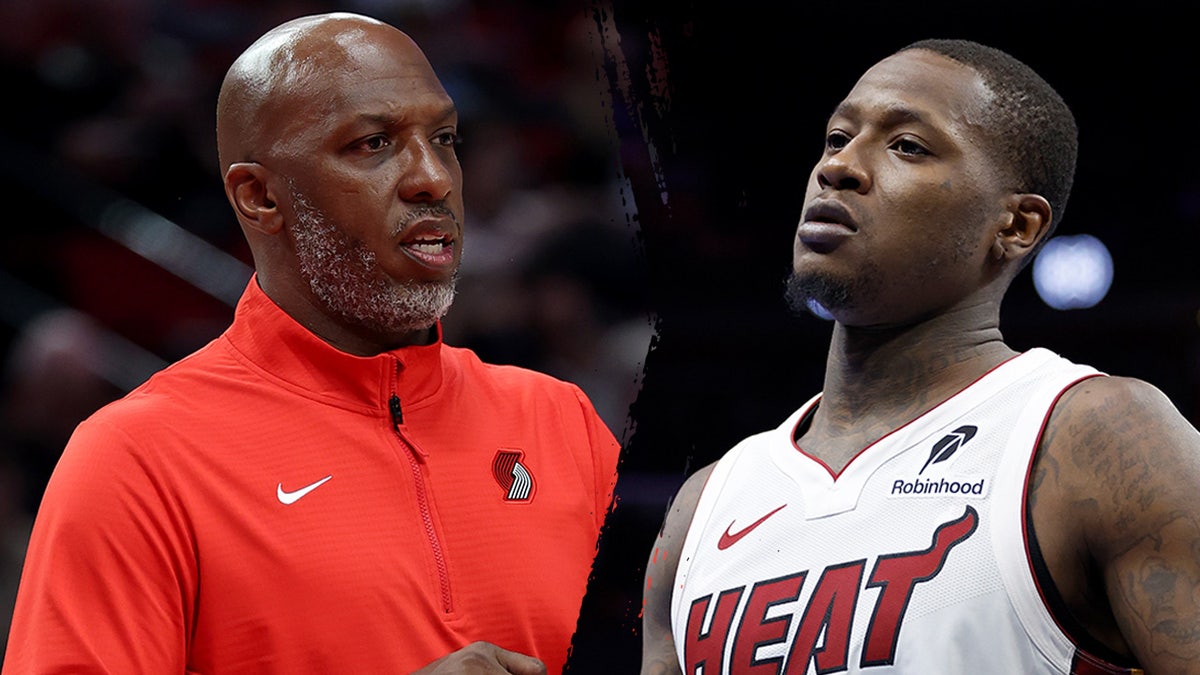
The NBA is investigating its own rules after player Terry Rozier and Portland Trail Blazers coach Chauncy Billups got caught in a gambling ring and illegal poker ring respectively. The NFL is trying to put an end to prop bets in football.
The problem with sports betting reaches beyond the player and beyond the fans even. It seeps beyond the field into the realm of addiction. As more states make gambling on sports legal, the menace of addiction starts to increase.
But how does sports gambling turn into an addiction? That’s a question for Moraine Valley addiction studies professor Anni Rasmussen. She says that like any addiction, the line is crossed when it starts to affect gamblers’ work and social life.
“They are distracted away from, for instance, school activities, work activities, obligations with their friends and family members,” she said. “They can start isolating more.”
Another effect caused by gambling addiction happens in the brain and its sense of pleasure and reward.
“It releases this dopamine, serotonin, and some other hormones that are making you feel good and making you feel almost high,” she said.
People in their early 20s are the fastest growing group of gamblers, reports the American Psychological Association. But according to the Responsible Gambling Council, young adults are more susceptible to crossing the line into addiction:
“People between the ages of 18-24 are at a high risk of developing gambling problems. At this age, the brain is still developing and emotion and logic aren’t fully formed. This means that decision-making ability hasn’t yet matured, making young adults more likely to take risks or act impulsively.”
To avoid a gambling addiction, Rasmussen suggests setting up a budget and sticking to it, and making sure gambling doesn’t take away time from your social life and work life. If it does, stop betting.
Gambling has rooted itself into every part of sports culture. What once was a moral line that institutions wouldn’t dare cross is now being blurred even in the face of athletes facing scandals and fans confronting addiction. The future of sports institutions may now lie in whether they can value principle over profit.
If you or someone you know is addicted to gambling, visit Moraine Valley’s counseling department in building S, room 208 or S202, or call the gambling addiction hotline at 1-800-GAMBLER.


 Velocity
Leave a comment