
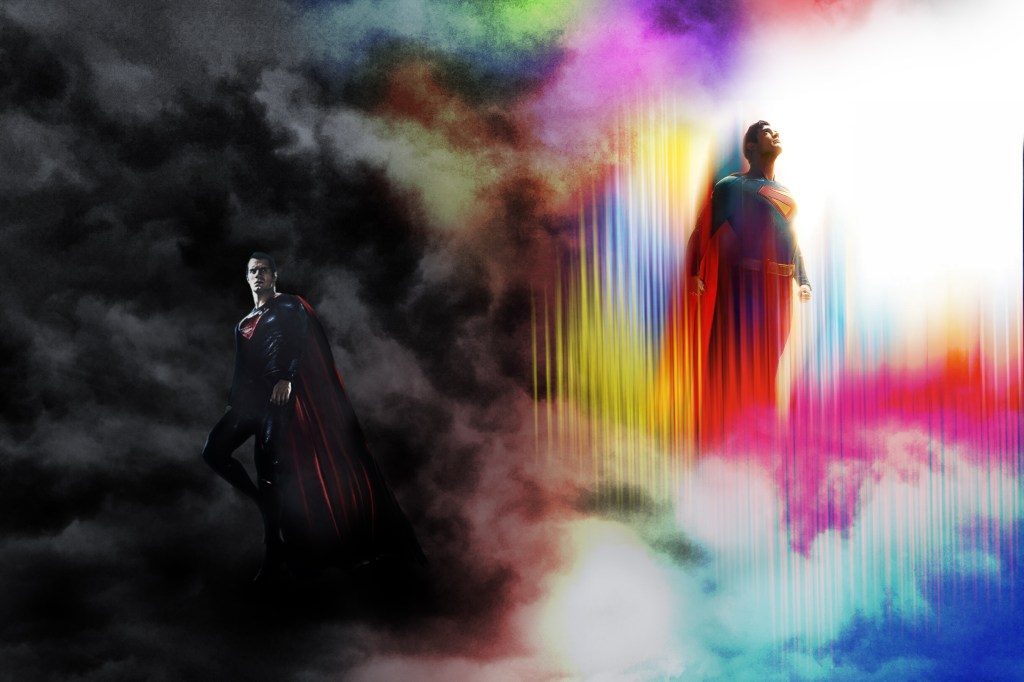
Whether we’re swinging from skyscrapers in New York, gliding through the pollution-diluted skies of Gotham’s underworld or soaring through Metropolis’s bright skyline, through the years, the hero’s journey has touched the hearts of comic book fans and movie-goers alike, shaping comic book culture as a whole.
However, the genre took a turn in the 2010s, with new creatives betraying the source material in ways fans did not take kindly to. According to IGN.com, 2025 will be the first year since 2011 that a comic book movie won’t gross $700 million at the global box office.
The decline in revenue began in 2024, but it can be traced back to the big blockbusters, such as Avengers: Endgame, which put an end to the biggest cinematic superhero saga of all time. Even critically praised movies coming out this year such as Marvel’s Thunderbolts, Fantastic Four: First Steps, and James Gunn’s reboot of the DC Cinematic Universe in Superman, didn’t reach the heights and hype of years prior.
Fans and critics alike may be asking: Is this the end of a cinematic genre? Many fans blame “superhero fatigue” for what’s happening. But other factors are at work here.
Gunn sums it up well: “I don’t believe in superhero fatigue, I think there’s mediocre movie fatigue,” the new CEO of DC studios said in an interview with GQ.
At the dawn of the decade, cynical parodies such as Amazon Prime’s The Boys and Invincible gained popularity, making a name for themselves by providing an antithesis to the old superhero format and introducing characters such as Homelander and Omni-Man as a new edgy archetype: “evil Superman.”
Fans had found the antidote for their superhero fatigue. Because didn’t everyone find the omnipotent, kind-hearted god with the flashy S symbol on his chest to be just plain boring? Despite the popularity of the world’s most beloved superhero, the answer fans of those shows gave was a resounding “Yes.”
This was not just because of the pandemic or some online buzzword calling for the end of a genre. It’s because of the pattern of mediocrity that followed the end of the biggest comic book saga of all time.
The Marvel movies released after Endgame, as well as Snyder’s DC universe, certainly tell a story of mediocrity.
To understand how we got to that point, we should look at the evolution of comic book heroes’ cinematic journey in Marvel, starting with Sam Raimi’s Spiderman. Its release marked the first time superheroes were taken seriously in the box office, and thus, we were introduced to the original comic book hero’s journey plot line that fans of the genre loved so dearly.
Even hardcore cinema fans separated from the comic book world loved seeing Peter Parker’s journey adapted to the big screen. Variety.com writer Adam B. Vary calls attention to the cultural importance of the 2002 origin story, pointing out that Spider-Man, 2002 “catalyzed the rise of the genre as the most dominant force in studio filmmaking over the past two decades.”
It was the first time moviemakers had the guts to put their superhero through a real test, make them lose a fight and fall to the ground the same way everyday people can. The real message we got from these movies was hope. Watching super-powered beings face struggles similar to our own, we feel less alone and more empowered.
The thing fans loved about Peter Parker is that his story was dark and downright depressing at times. That is what grounded him, and that’s what made the trilogy so powerful.
That feel of watching a beloved hero stumble paved the way for Christopher Nolan’s Batman trilogy, the next step for superhero films. Nolan’s Batman was a hyper-realistic take, showing us a broken city resembling real ones like Chicago or New York, riddled with crime and corruption that runs deep into the city’s justice system.
With Gotham so engrained with corruption, a symbol of hope was needed, not just a super-powered vigilante beating bad guys to a pulp. This take on Batman led to an era of adaptations wherein filmmakers seemed to feel the need to replicate Nolan’s somber tones and grim storytelling.
When Zack Snyder was picked to direct the next Superman film in Man of Steel, his vision was completely tonally separated from the bright flashy Superman of the comic book. He instead drew inspiration from DC’s Injustice run and borrowed the tones of Nolan’s Dark Knight trilogy. In Superman, fans of the comic books and kids that grew up watching the animated series were looking for the soft, kind-hearted man from another world who, despite being an outcast alien, devotes his life to protecting humanity.
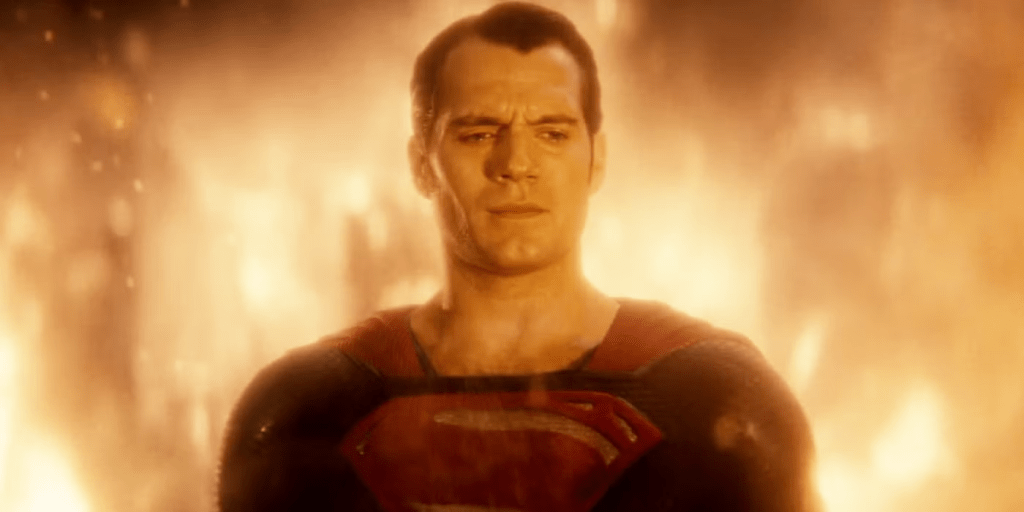
Snyder’s Superman depicts the loving Kansas farm boy we know well, but the story around him shapes this version of Clark Kent as a soulless god, with a weak tether to humanity through his mother and Lois Lane. Snyder’s plan for Superman, when fully realized, would show us an evil Superman having surrendered his hope for humanity upon losing those he loved.
To fans, it felt like a betrayal of the character they grew up with; this Superman didn’t feel like the type to save a cat from a tree.
In contrast, for fans that watched James Gunn’s Superman reboot, watching Clark zip by and save that squirrel was an homage to the life-protecting Boy Scout character they’d grown up with.
Snyder continued along this path in his portrayal of Batman, in which fans saw a much darker version of the caped crusader than they were used to. With our favorite non-powered force of nature sowing fear in Gotham’s shadows, we as fans collectively and intuitively know that above all else Bruce Wayne will abide by his one rule: no killing.
On the Joe Rogan Experience podcast, Snyder addressed Batman’s code by saying, “Well, okay–Batman can’t kill is canon. And I’m like, okay, well, the first thing I wanna do when you say that is I wanna see what happens…” And he had Batman killing more than 20 people in Batman v Superman: Dawn of Justice.
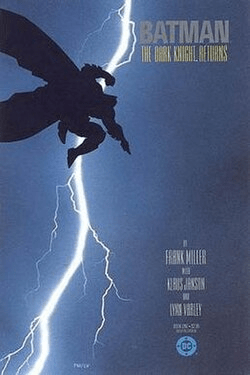
His take on Batman drew inspiration from the Dark Knight Returns run, wherein Bruce is older, more brutal and hardened by grief. Although the hype surrounding Batman v Superman catapulted its box office earnings to $874.4 million–making it the fifth highest grossing DC film of all time despite Superman 2025’s critical success–fans immediately rioted at the depiction of Batman killing in the blockbuster.
Running parallel to this DC Extended Universe debacle was the Marvel Cinematic Universe surge. While the DCEU’s films disappointed their fans, Marvel’s character-building and fan service in lieu of their comic book inspirations were raking in over $1 billion at the global box office regularly, and were received more positively.
In the same year as Snyder’s Batman v Superman movie, Marvel did a superhero showdown of its own. In Captain America: Civil War, the anticipated fight between Captain America and Iron Man is depicted as political, and legislative pressure drives open a rift in the Avengers.
The movie outsold Batman v Superman by more than $250 million at the global box office and was critically well-received. Captain America: Civil War had much much more build-up to it than Batman v Superman. The MCU tended to be much more character-driven, whereas Snyder’s universe erred on the side of a narrative-driven story. Flashbacks and flashforwards were common, creating a feeling of “all roads lead to Rome,” with certain doom being foreshadowed. Marvel was willing to take the time to build up its universe, with solo movies focusing on one character, then a big team-up clash at the climax of a phase of world-building.
Piggy-backing off the worldwide success of Sam Raimi’s Spiderman trilogy and 2008’s Iron Man, Marvel studios struck gold when they teased plans of creating an inter-connected superhero universe. DC struggled behind them, unable to gain the same traction off the back of Nolan’s Dark Knight trilogy.
However, after Avengers: Endgame, fans started to notice a drop in the quality of the MCU as well. Endgame, for many Marvel fans, had signaled the end of a saga. They were left with not much else to look forward to other than two more Spiderman films and a loosely planned multiverse saga.
With films like Shang-Chi and Black Widow underperforming in the post-COVID era box office, Marvel studios decided to put their universe in production overdrive. They released 20 projects in the span of only two years from 2021 to 2023. There were both hits and misses along the way, but fans were just growing tired.
It felt as if, in order to be satisfied when sitting down in the theater seat, you had to get a Disney+ subscription and spend hours catching up by watching mediocre, rushed shows along with an entire ten-year saga of films.
Enter the phrase “superhero fatigue.”
“I don’t believe in superhero fatigue, I think there’s mediocre movie fatigue.”
James Gunn, Director and New CEO of DC Studios
Fans felt as if the meta had gotten too predictable and comic-book movies had to end at some point. Directors were trying to execute a serious, darker version of beloved characters that betrayed the source material, and studios were settling for mediocre quantity-over-quality films. So, at the eve of the 2010s, fans were more inclined to enjoy the subversive aforementioned “evil Superman” media.
These factors led to the trend of box office failures in 2024 and now 2025. Even though Gunn’s Superman finished its run at just over $600 million, it will not match the success of Man of Steel.
This was not just because of the pandemic or some online buzzword calling for the end of a genre. It’s because of the pattern of mediocrity that followed the end of the biggest comic book saga of all time. Gunn was right: there is no superhero fatigue.
Critics and fans adored this Superman movie and are elated at the DC reboot. Gunn’s track record with comic book films proves him to be the right creative to head the studios. His Superman repaints the most beloved image of the character, one that is a noble, gold-hearted hero who still faces grounded, real-life challenges.

Likewise, in Matt Reeves’s The Batman reboot, we see a grounded, realistic Gotham city that feels as if it could exist in our world today. We have no superhumans or supervillains; we have crime syndicates and drug-trafficking rings, much like the Dark Knight trilogy. Robert Pattinson’s Batman still grows to be a character accepting of a symbol, realizing that instead of just carrying out vengeance, he can be a symbol of hope–of a better tomorrow.
What 2010s DC seemed to miss was that you can still make these grounded, serious and realistic takes of the characters that go through dark and tough challenges, but fans have to see why they are the heroes they grew up reading and watching. Fans have to see that hope instead of just a gloomy, eerie future foreshadowed hastily in a hopeless world.
James Gunn’s Superman suffered slightly in the box office due to the pattern of mediocrity, and he seems to know that. When a fan online asked, “People online keep saying that Superman needs to make $650 million to break even or be a success. Is that true?” Gunn replied, “Absolutely false. We would be idiots to make a first-in-a-franchise-film that would need to make that much to be profitable.”
Superman’s box office underperformance seems to have been calculated, and Gunn appears to value quality over quantity. A mold had to be broken: mediocrity, lack of satisfying endings, tonally misguided directors and consistent hype build-up for disappointments.
Gunn’s Superman seems to have accomplished this, holding the key for getting fans of the genre back into theaters. Marvel seems to be following suit.
Related Coverage…
Movies of tomorrow: How positivity is changing the world of superheroes
Having scrapped several projects from their originally-planned timeline and focusing on making fewer, better films that actually interest fans, the quality of their films has increased this year.
Fans and critics praised Thunderbolts for its grounded take of mental health and superhero trauma–with a message that calling for help is not only okay, it’s admirable.
Fantastic Four: First Steps was praised for making a return to the bright baby blue colors of the comics and focusing on the connection between a family. It depicted a very tight script with a narrative that was separated from the established MCU timeline, and it gave way for the creatives working on the project to be more free with their takes on each character. And everyone got their moments to shine.
Hype surrounding James Gunn’s Superman seems poised to draw fans back into the seats for DC’s future titles. If Marvel takes after Gunn and focuses heavily on the quality of their upcoming projects like Spider-Man: Brand New Day and Avengers: Doomsday, they can join in the resurgence of their dying genre, and comic book movies will make their return to the big screen in a brighter, more hopeful way.


 Velocity
Leave a comment