

By Khalia Ward, JRN 101 Student
The words journalist and influencer often sound foreign to each other. One sits at a desk, loafers scuffed, pen in hand, always chasing the story. The other sells bodysuits and kombucha in a crisp white apartment.
In a time when the stakes for truth and accountability have never been higher, we’re witnessing a strange phenomenon: the rise of the influencer journalist. From TikTokers like Aaron Parnas breaking political news to podcast host Theo Von cozying up to presidential candidates, the lines between entertainment and reporting have blurred beyond recognition. What used to be the sacred role of a journalist–as a watchdog that holds power to account–has become a stage for monetized content creation. And in this shift, democracy itself might be at risk.
At first glance, it may seem refreshing. A new face. A casual tone. “Relatable” interviews. Call Her Daddy, a podcast once known for its raunchy humor, now books celebrity guests and political figures alike; former Vice President Kamala Harris even guest starred. TikTok creators have become the first source of “news” for millions of Gen Z and Millennial viewers.
According to the Pew Research Center, as much as 54 percent of Americans get their news from social media. These new-age reporters can often deliver their content with more style, flashiness, and accessibility than the average legacy news anchor. But style is not substance, and access without accountability is not journalism.
Journalism is supposed to be inconvenient for the powerful. That’s what makes it essential.
Good journalism is not solely defined by its ability to entertain, but its ability to inform responsibly and ethically. Its five core principles—accuracy, independence, impartiality, humanity, and accountability–exist to ensure that we receive information the public can rely on.
Influencers are not bound by a code of ethics. They are, first and foremost, entrepreneurs. Their first obligation is to their personal brand, not to the public interest. And increasingly, many are being quietly paid by corporations, political groups or unknown backers to push specific narratives without disclosure.
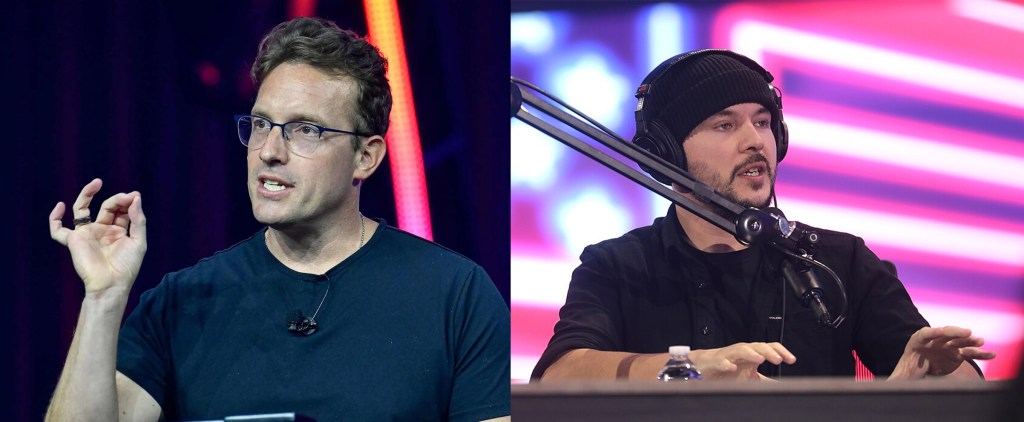
Reports broke just months before election day that influencers such as Tim Pool and Benny Johnson allegedly received payments from RT, a media company under jurisdiction of the Russian government. Pool and Johnson were paid to produce videos echoing far-right talking points without identifying those videos as sponsored content. This situation raises a clear red flag for the everyday person.
What happens when even our brightest students eventually fall victim to propaganda disguised as commentary? With trust in traditional journalism already declining since the late 1990s, particularly among younger Americans, the influencer-journalist is stepping into a void, offering coolness over credibility, vibes over verification. With no reason to question legitimacy, social media users risk falling deeper into the misinformation economy.
And yet, we must be clear: the failure here is not only on the influencers. It is also a reflection of the ongoing collapse of the journalism industry itself. Newspaper layoffs are now weekly headlines. Newsroom budgets have been slashed. Investigative teams, the very people we rely on to expose corruption, are being ousted. Even industries such as fashion don’t go unscathed. In just 2021, The Met Gala broke the Internet for all the wrong reasons, with many people outraged at the swap of tenured reporters for lifestyle influencers such as Emma Chamberlain.
In this vacuum, it’s no wonder that independent creators are finding space to thrive. Luckily, platforms like Substack have also allowed some trained journalists to go independent and build sustainable careers outside failing institutions. Journalists such as Jessica Yellin have even started to voluntarily leave media giants like CNN. After expressing to her higher ups, “We’re not speaking in a way they hear,” she was met with apathy in favor of stoking viewership. In fact, there is real potential here; when done right, these platforms could democratize journalism and reward high-quality reporting.
This matters. Because at its best, journalism protects the public from abuses of power. Think of Watergate. The Pentagon Papers. The Catholic Church abuse scandal. None of these stories broke because of a viral video or a podcast with an influencer. They were uncovered by dedicated journalists doing the slow, often invisible work of research.
Journalism is supposed to be inconvenient for the powerful. That’s what makes it essential.
In today’s political climate, the need for that watchdog role is more urgent than ever. Misinformation spreads with lightning speed on the internet. Political rhetoric is more polarized and inflammatory. Social media algorithms prioritize engagement and outrage over accuracy. When influencers, not journalists, become the arbiters of what’s real and what’s not, we lose one of the last remaining safeguards of our democracy.
When influencers, not journalists, become the arbiters of what’s real and what’s not, we lose one of the last remaining safeguards of our democracy.
That’s not to say all hope is lost. There are ways to adapt without abandoning standards. As traditional media models fail, many are investing in new ones that protect the core values of journalism while embracing the digital landscape. News organizations can partner with platforms and creators, but only those committed to ethical reporting. Journalism schools must evolve to teach not only investigative methods, but also how to navigate new media platforms with integrity.
And perhaps most importantly, we as a public must teach each other how to discern the difference between information and influence.
It’s tempting to dismiss this as generational or superficial–just kids getting their news from TikTok. But the implications are far deeper. When we allow the flow of information to be replaced by novelty, we don’t just change the tone of our media. We change its function.
 Velocity
Leave a comment