
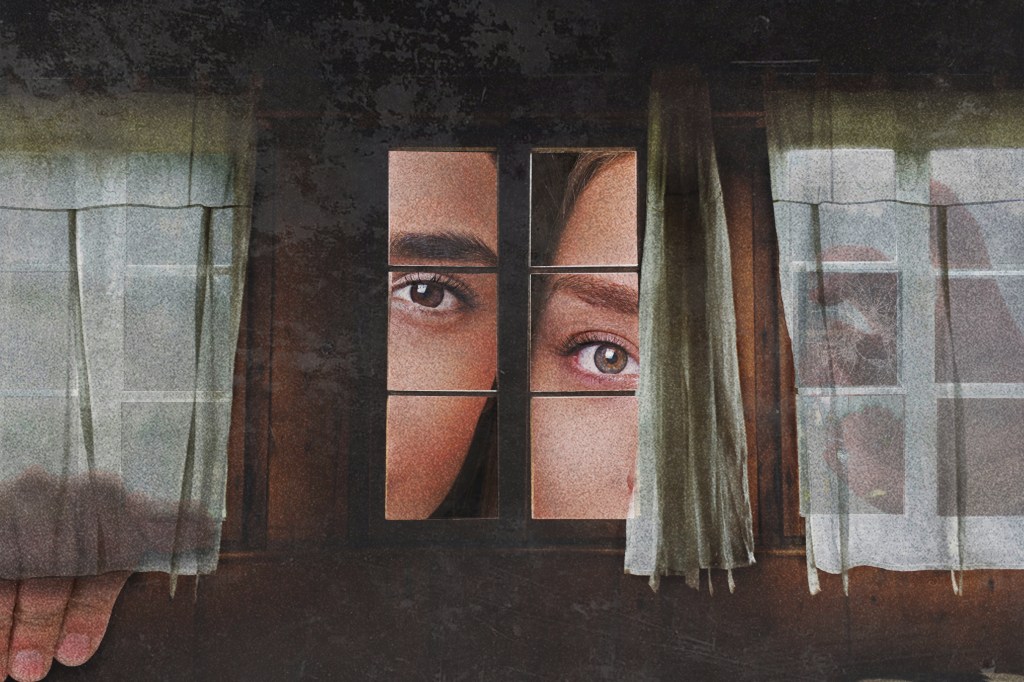
Sometimes idol worship goes too far. The 1981 assassination attempt on Ronald Reagan was an effort on the gunman’s part to impress actor Jodie Foster. An infatuation with Icelandic singer Björk led a delusional fan to mail her a letter rigged with a sulfuric acid bomb in 1991. Drew Barrymore’s stalker was arrested twice in 2023, once after harassing people for her location and once for trespassing at a fashion show demanding to meet and marry Emma Watson.
These aren’t incidents isolated to the past. Unfortunately, they’re part of an insidious trend taking root within society: the formation of parasocial relationships that spiral out of control and now pose a real threat to the entertainment industry as a whole.
Parasocial relationships have existed just about as long as the entertainment industry has. In fact, most people have engaged in some form of a parasocial relationship, knowingly or not.
Yelling at the TV after a sports team makes a bad play? That’s a parasocial relationship. Hooked on a new show and gushing about a character to your friends? That’s a parasocial relationship. Eagerly waiting up to midnight for a new release to support your favorite artist? That’s a parasocial relationship.
In that context, parasocial relationships seem to be a part of everyday life. They foster a sense of community, encourage creativity, inspire people to tackle new challenges. How could those be bad things?
Well, the pandemic marked a massive shift.
When the world came crashing to a halt during lockdown, connections to the community were severed. Shows were stopped. People found themselves cooped up. One of the only forms of connection they were able to maintain was online: watching and interacting with celebrities through social media, the same way they interacted with family and friends.
This period led to a shift in how celebrities were perceived. Instead of maintaining a healthy distance, people began to feel as if they knew these performers personally. They began to feel intimately connected with their chosen celebrities despite not truly knowing them.
Add to that the growing prevalence of social media, instant and constant access to information, a burgeoning online world, and a growing disconnect in actual relationships.
It’s clear why things devolved so quickly.
Due to their belief in these intimate connections, fans began to think they were entitled to the day-to-day life of celebrities. They demanded more and more and more. When they weren’t immediately answered, some got violent.
Mob mentality roared to life, phone screens flickering like torches as people wrote scathing reviews and brandished their metaphorical pitchforks.
Many of the artists who have gotten caught in this blaze are young women.
Like Billie Eilish. Fans online attacked the then-teen Eilish, claiming that she was “queer-baiting” and lying to audiences in order to exploit the queer community for profit. Eilish came under fire time and time again until she cracked under the pressure and officially came out in a Variety article in November 2023.
Even that wasn’t enough.
Fans continued to swarm her, to insist she share specifics, even after she had asked them not to. Her brother, Finneas, came forward to defend his sister.
Eilish’s story, unfortunately, is only a drop in the bucket.
Olivia Rodrigo, Sabrina Carpenter, Jenna Ortega, Renee Rapp, Lucy Dacus, Sydney Sweeney, Taylor Swift—the list goes on and on.
Chappell Roan, an ingénue on the pop scene, has dealt with the dangers of rapidly growing fame. She seemed to be an overnight success, and thus was thrust into a world and environment she had not been prepared for.
Fans idolized her. They were quick to swarm, to dump all their trauma on her, to pin her to a pedestal she never asked for.
Until she made the unforgivable mistake of attempting to set boundaries.
In good faith, Roan communicated the adjustments she would need to feel safe within her newfound fame.
So-called fans were quick to rip her to shreds.
The second they were no longer allowed to reign unchecked, they called her a “bitch” and a “diva.” They sent threats. They doxxed her family.
The backlash Roan dealt with exemplifies just how dangerous the current state of parasocial relationships is. Celebrities are commodified, their humanity ripped away. They are thrust, time and time again, into roles they do not want to play for fear of the public outcry that would otherwise await them.
 Velocity
Leave a comment