
Gender today isn’t as easily defined as it was in the 1950s, when there were clear roles and expectations for both men and women. Nowadays, femininity and masculinity are both much broader, to the point of sharing many hobbies, careers and personality traits between them. That’s because gender is now viewed as a personal thing, and people can do whatever they want with it, so long as it’s safe and legal.
In fact, the work of female journalists could count as part of the new definition of womanhood being embraced in this current decade.
When someone is asked what their image of a journalist is, most of the time they’ll picture a man, like Bob Woodward and Carl Bernstein, the reporters who uncovered the Watergate scandal.

It may be harder to list any prominent female names, as many people are not as aware of the role of women in historical and contemporary journalism. But if they knew more about female journalists, they could see how their stereotypes of women being too emotional, too focused on relationships, or too fragile to do this type of work would be wrong.
According to the Pew Research Center, about 46 percent of U.S. reporters are women, yet they only make up 22 percent of top editors at the nation’s largest news sources. In addition, their careers tend to be shorter than those of their male coworkers, and 73 percent of them have faced online violence due to their jobs, while 8 percent have been sexually harassed at work.
But these obstacles haven’t stopped women journalists from breaking some of the most important stories and issues of their times, while challenging gender stereotypes. In fact, the whole field of journalism would be much better off if it, and society as a whole, gave more attention and support to female journalists, their capabilities, and their accomplishments both past and present.
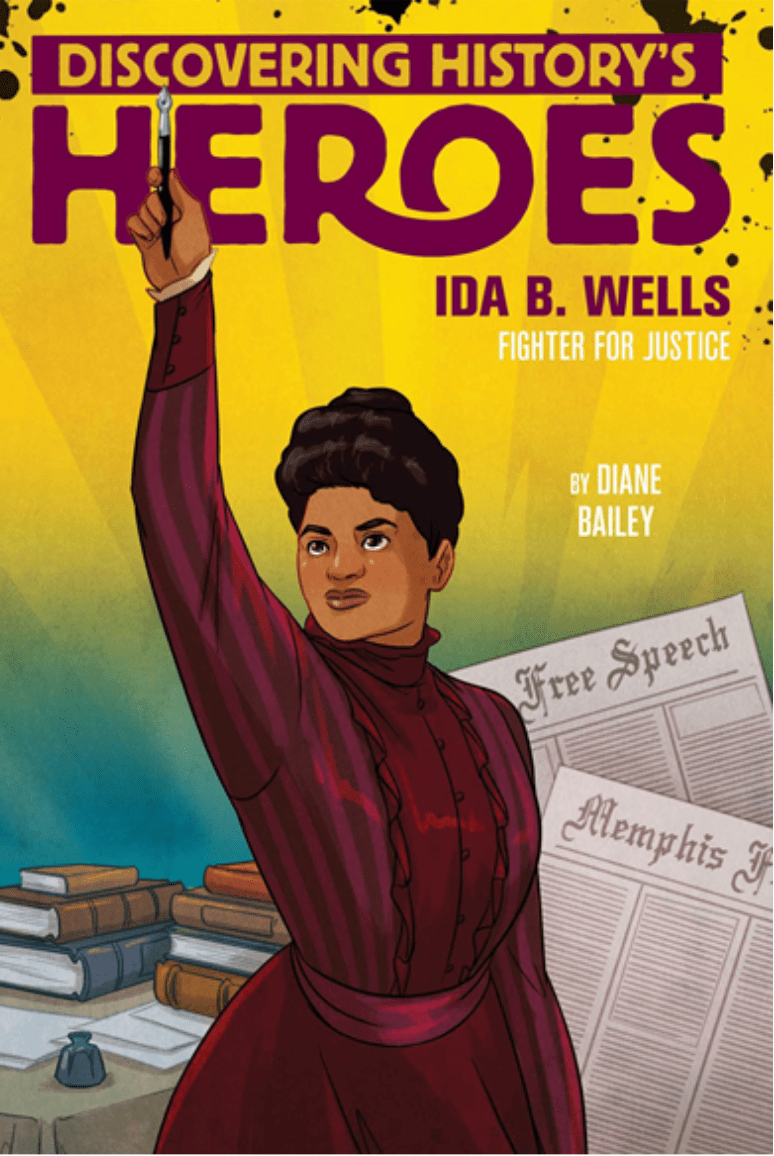
If you’ve ever been to Chicago, then you’ve probably driven on Ida B. Wells Drive, which got its current name in 2019. Yet not too many people know the story of its namesake, and that’s a shame, because she was quite an accomplished woman.
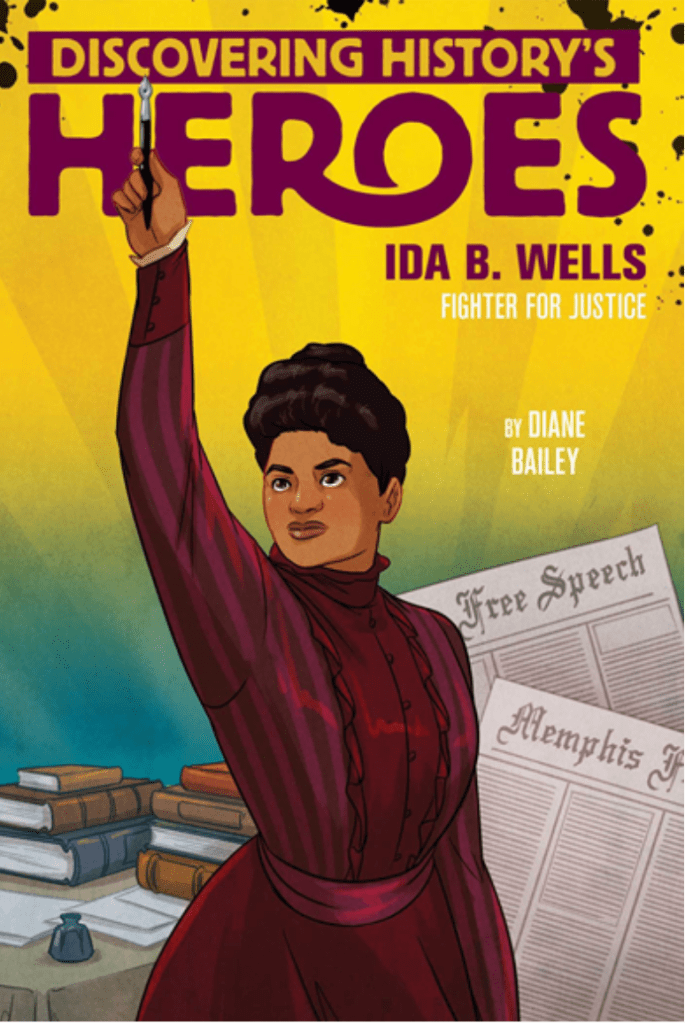
A Black female journalist in the late 19th and early 20th centuries, Wells had to battle both racism and sexism, while also working for a better America for Black people, and she succeeded by all counts.
Her most famous work was on exposing the widespread lynching of Black men, especially in the American South. Her reporting so enraged the locals that they burned down her house and forced her to move from Memphis to Chicago.
Despite these setbacks, she continued fighting for civil rights and women’s suffrage, helping to found the National Association of Colored Women’s Club. Her efforts paved the way for the civil rights movement of the 1950s and 1960s, while also ensuring greater opportunities for women of all races, especially in journalism.
Meanwhile, in 1887, journalist Nellie Bly faked insanity and was admitted to a mental asylum for an investigative piece. Before that, she had worked as a columnist at another newspaper, but quit due to being limited to addressing female readers. Bly moved to New York to find better opportunities, but the journalism world there was still extremely male-dominated.
Bly stormed the office of the New York World and demanded that she be given a position to report on social issues. This move led to her stay in the asylum, and her resulting series, “Ten Days in the Madhouse,” made her one of the most famous women in America at that time, and also increased funding for improving asylum conditions.
After that, Bly continued to expose social ills such as state legislature corruption and the infant-selling black market. She retired from journalism after marrying an oil billionaire, but returned later to report on World War I and women’s issues until she died of pneumonia in 1927.

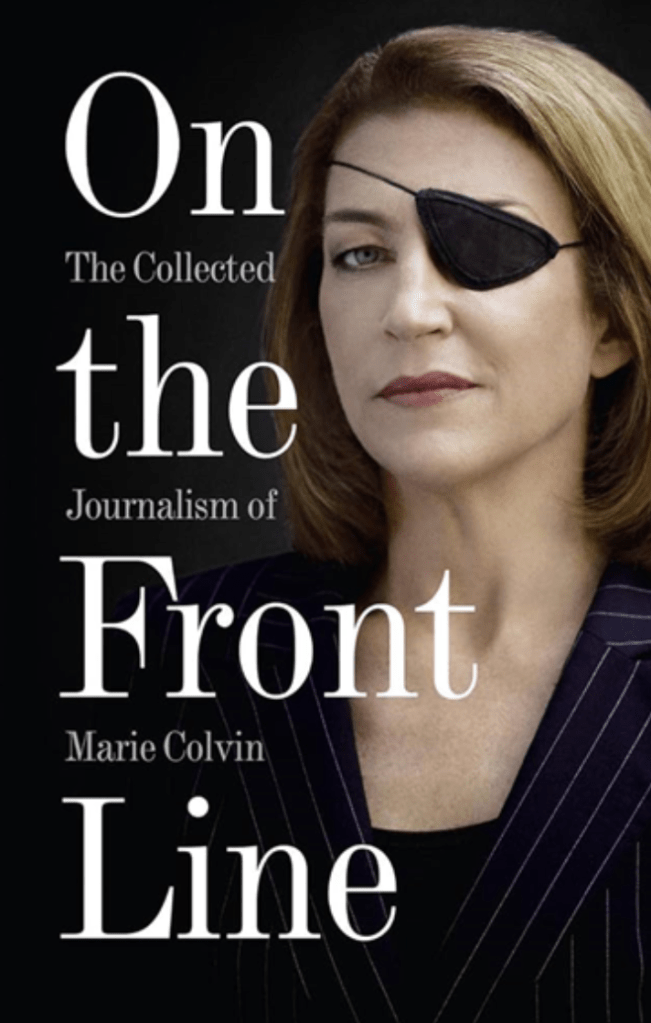
In more recent times, Marie Colvin was a war correspondent who worked for the British newspaper The Sunday Times from 1985 until her assassination in 2012, while covering the siege of Homs during the Syrian Civil War. She lost an eye while in Sri Lanka in 2001, which made her a stunning symbol of the dangers, and costs, of journalism.
Colvin also saved the lives of 1,500 East Timorese civilians, including women and children, in 1999 after refusing to abandon them and staying near their compound for four days. But all of this reporting came at a cost, causing Colvin to battle alcoholism and PTSD for many years. In 2019, an international court found the Syrian government responsible for Colvin’s death, and ordered them to pay nearly $300 million to her family.
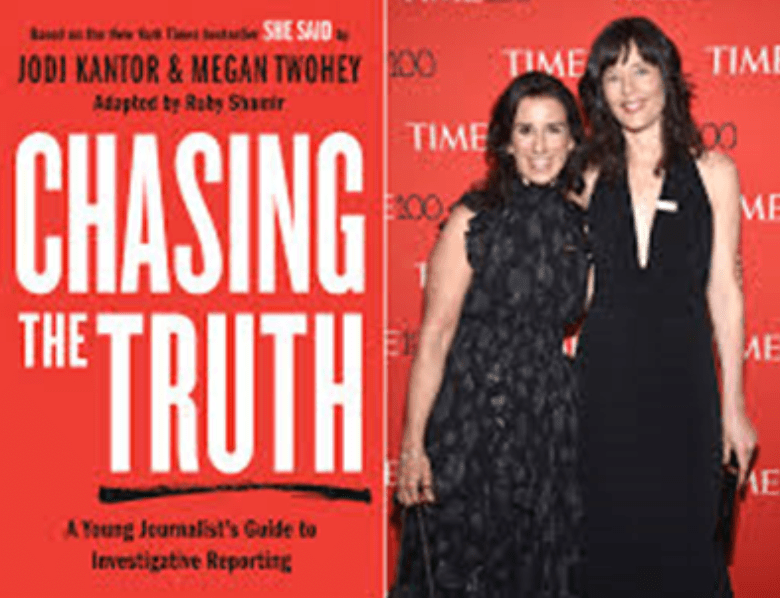
Even more recently, you’ve most likely heard of the #MeToo movement, but you might not know the two female journalists who are responsible for starting it with their exposure of Harvey Weinstein’s long history of sexual misconduct.
Their article, “Harvey Weinstein Paid Off Sexual Harassment Accusers for Decades,” detailed his victims’ accusations against him, as well as how he and the general culture of Hollywood worked together to silence these women.
The article’s impact was immediate, as it emboldened more people from all walks of life to come forward about experiencing sexual harassment and assault. The #MeToo movement forced many institutions to examine how they enabled sexual predation in their ranks. Kantor and Twohey wrote a book about their experience, She Said, which was published in 2019 and made into a movie in 2022.
These and other examples show that women are fully capable of facing down adversity as journalists and breaking important stories in the process. In fact, some things may make women better at these types of jobs than their male counterparts.
For one, women tend to let themselves feel emotions more strongly, which can foster a greater sense of empathy for the subjects of their stories. Another reason is that to overcome gender inequalities, females often develop stronger skill sets and determination compared to their male counterparts. There’s a famous saying in the Black community about needing to be “twice as good to get half as far,” and this concept applies to female journalists.
A third reason behind their success is their willingness to listen to others, which helps them gain insights that other reporters often miss. And the last thing is that people tend to be more trusting of women than men in general, and thus more likely to disclose sensitive information to them.
Of course, some people might see this as anything worth celebrating, given their negative views of the media in general and journalists in particular. But I want to remind them that most female journalists aren’t doing it for personal profit, as the average American journalist’s salary is a measly $49,134.
Around the world, journalism is one of the most dangerous careers in existence, with an average of four journalists being killed every day, and that’s not getting into other issues like imprisonment. Many female journalists face online harassment and physical violence at much higher rates than their male peers, with their gender adding another level of risk to their work.
These challenges would be formidable for anyone. Yet despite that, the number of women journalists breaking important stories shows that women can and do face down these threats, and they deserve more acknowledgement of their bravery and accomplishments. These journalists’ struggles can be seen as a microcosm of the issues that women have to face in almost all walks of life.
The work that female journalists do is especially important in an age of massive media distrust. People’s faith in the news’ honesty is at an all-time low. One reason is that they feel like the media isn’t focusing on actually important issues, and instead chasing ratings and pushing agendas. Others dislike the current news because of a lack of representation, seeing the field as composed overwhelmingly of white men.
If the stories of the female journalists I’ve mentioned become more well-known, It might challenge the perception of journalism not being for women and minorities, therefore ensuring more diversity in the field. And maybe people would see that journalists actually play an important role in holding those in power accountable and shining a light on issues that would otherwise go ignored.



 Velocity
Leave a comment